Caste census protest: AICCC invites Jagan Mohan Reddy to Nov 28 Delhi rally
Synopsis
The All India Caste Census Coordination Committee is building a broad opposition coalition ahead of its 28 November Delhi rally — and YSRCP chief Jagan Mohan Reddy may be its newest face. With 60 OBC organisations demanding a separate caste column in the 2027 Census, the protest is set to test whether opposition unity on reservations can translate into concrete legislative pressure on the Centre.
Key Takeaways
The All India Caste Census Coordination Committee (AICCC) has invited Y.S.
Jagan Mohan Reddy to its 'Chalo Ramlila Maidan' protest in New Delhi on 28 November 2026 .
The delegation met Reddy at the YSRCP central office in Tadepalli on 18 November ; he reportedly responded positively.
The AICCC represents 60 OBC organisations from states including Maharashtra, Karnataka, Madhya Pradesh, and Tamil Nadu.
Key demand: a separate OBC column and caste-wise dropdown in the 2027 national Census to protect BC and OBC reservation rights.
Professor Suraj Mandal cited the Andhra Pradesh High Court's inability to expand local body reservations as a direct consequence of missing BC data.
The committee is approaching parties outside the NDA for support ahead of the rally.
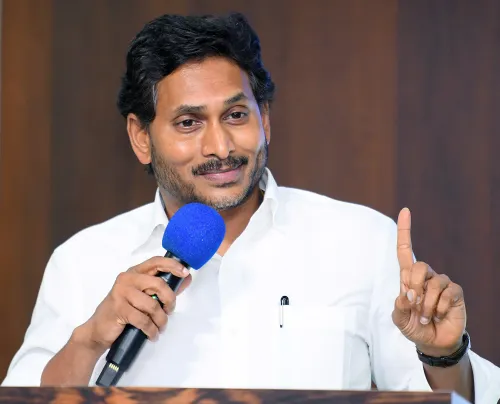
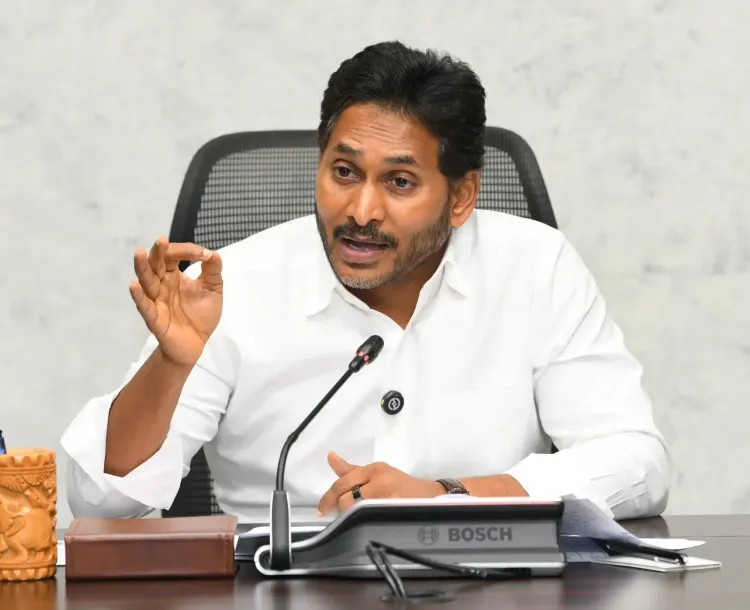
The All India Caste Census Coordination Committee (AICCC) has formally invited former Andhra Pradesh Chief Minister and YSR Congress Party (YSRCP) president Y.S. Jagan Mohan Reddy to participate in its 'Chalo Ramlila Maidan' protest in New Delhi on 28 November 2026. A delegation from the committee met Reddy at the party's central office in Tadepalli on 18 November, seeking his solidarity and personal presence in the push for a comprehensive caste census to protect BC and OBC reservation rights. Reddy reportedly responded positively to the invitation.
What the AICCC Is Demanding
The committee — a coalition of 60 OBC organisations drawn from states including Madhya Pradesh, Maharashtra, Karnataka, and Tamil Nadu, and representing communities from Kashmir to Kerala — is pressing the Centre to reconsider its methodology for caste enumeration in the 2027 Census. The core demand is that a comprehensive and accurate caste census be conducted, with a separate OBC column and a caste-wise dropdown menu in the national census form to enable equitable reservation benefits.
Delegation member and Delhi University professor Suraj Mandal — grandson of former Mandal Commission Chairman B.P. Mandal — told reporters that the absence of reliable BC data had already had tangible legal consequences. He pointed out that the Andhra Pradesh High Court was unable to permit increased reservations in local body elections precisely because comprehensive BC enumeration data did not exist.
Key Voices in the Delegation
The delegation to Tadepalli included All India OBC Students Association national president Dr. Goud Kiran Kumar, Sakal OBC Mahamorcha president Umesh Kurram, Dr. Pitti Mallikarjun Yadav, and leaders Rakesh Datta, Pendem Jayanthi Yadav, and Rajanikanth Goud. YSRCP state coordinator Sajjala Ramakrishna Reddy was also present at the meeting.
Dr. Goud Kiran Kumar stressed that reliable caste-wise data was essential to legally challenge the existing 50 per cent reservation ceiling and defend BC reservation rights in courts. He added that the committee was specifically approaching political parties outside the National Democratic Alliance (NDA) for support, signalling a broader opposition-outreach strategy ahead of the rally.
Why This Matters
The demand for a caste census has gained considerable political momentum across India, with several opposition-ruled states having conducted their own social surveys. The 2027 national Census presents what advocates describe as a once-in-a-decade opportunity to embed caste enumeration at the national level. Critics argue that without granular OBC data, reservation policies remain legally vulnerable and administratively opaque. This comes amid ongoing debates in multiple state high courts over sub-categorisation and the adequacy of existing reservation frameworks.
What Happens Next
All eyes will now be on Ramlila Maidan on 28 November 2026, where the AICCC hopes to consolidate opposition party support and amplify its demand before Parliament's winter session. Whether Jagan Mohan Reddy follows through on his positive response with physical participation could shape YSRCP's positioning on the OBC question in a post-electoral Andhra Pradesh.
Point of View
While the committee gets a recognisable face for its Delhi rally. What is often missed in this debate is the legal urgency: the Andhra Pradesh High Court's reservation ruling illustrates that the absence of caste data is not merely a statistical gap but a concrete barrier to expanding OBC rights in courts. The committee's explicit decision to approach only non-NDA parties reflects a belief that the Centre will not act voluntarily — and that judicial and political pressure must run simultaneously. Whether 60 organisations can sustain momentum beyond one rally, however, remains the real test.
NationPress
18 Nov 2026
Frequently Asked Questions
What is the 'Chalo Ramlila Maidan' protest about?
It is a rally organised by the All India Caste Census Coordination Committee on 28 November 2026 in New Delhi, demanding that the Centre conduct a comprehensive caste census as part of the 2027 national Census, with a separate OBC column and caste-wise enumeration to protect BC and OBC reservation rights.
Why has Y.S. Jagan Mohan Reddy been invited?
The AICCC is building support among opposition parties outside the NDA and invited Jagan Mohan Reddy as a prominent leader of YSRCP and former Andhra Pradesh Chief Minister. Reddy reportedly responded positively to the invitation after a delegation met him in Tadepalli on 18 November.
What specific changes is the AICCC seeking in the 2027 Census?
The committee is demanding a separate OBC column and a caste-wise dropdown menu in the national census form to ensure accurate enumeration of all OBC communities, similar to how Scheduled Castes and Scheduled Tribes are currently counted.
How does the absence of caste data affect OBC reservations in courts?
Professor Suraj Mandal of Delhi University highlighted that the Andhra Pradesh High Court could not permit increased reservations in local body elections because comprehensive BC data was unavailable. Without verified caste-wise figures, courts cannot legally validate reservation expansion beyond the existing 50 per cent ceiling.
Which organisations and states does the AICCC represent?
The AICCC brings together 60 OBC organisations from across India, including groups from Madhya Pradesh, Maharashtra, Karnataka, and Tamil Nadu, and claims to represent communities from Kashmir to Kerala.