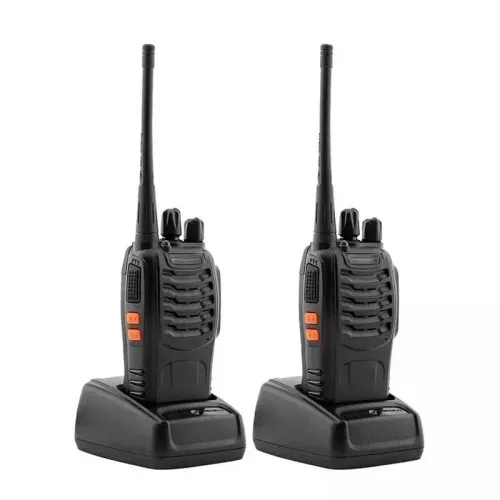
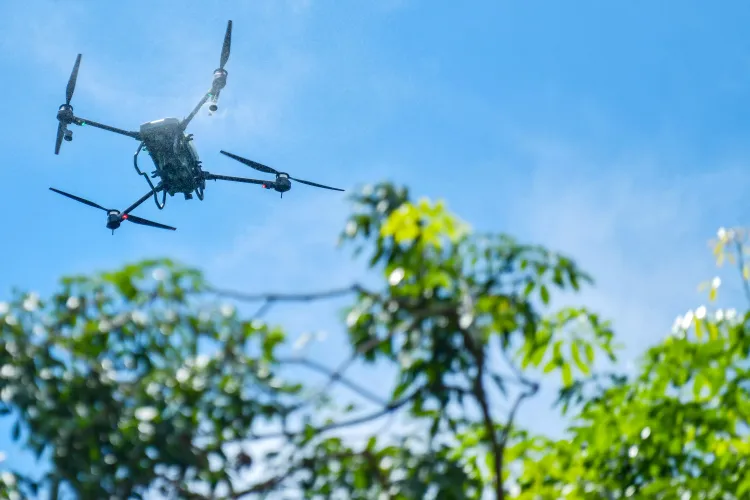
Have Notices Been Sent to 6 E-Commerce Platforms for Selling Restricted Drone and GPS Jammers?
Synopsis
The CCPA has taken action against six e-commerce platforms for selling restricted drone and GPS jammers, emphasizing compliance with telecommunications regulations. This move reflects the government's commitment to uphold consumer protection and enforce laws regarding controlled equipment.
Key Takeaways
CCPA actions highlight regulatory enforcement.
Important for e-commerce platforms to comply with laws.
Restricted devices have specific legal frameworks.
Due diligence is essential in online marketplaces.
Consequences exist for non-compliance with regulations.
New Delhi, Feb 20 (NationPress) The Central Consumer Protection Authority (CCPA) has announced that it has dispatched notices to six e-commerce platforms for advertising and selling restricted wireless transmitting devices, including drones. The platforms in question are Everse, IndiaMart, Xboom, Javiat Aerospace, AirONE Robotics, and Maveric Drones & Technologies Pvt Ltd.
These online entities have reportedly sold items such as “Anti-Drone Systems”, “Drone Jammers”, and “GPS Jammers”, allegedly breaching the Consumer Protection Act, 2019, along with other relevant telecom and trade control regulations, as stated by the Ministry of Consumer Affairs.
The statement clarified that drone jammers and signal jamming devices are governed by the Indian Telegraph Act, 1885, and the Wireless Telegraphy Act, 1933, which are tightly regulated by the Department of Telecommunications (DoT) and the Wireless Planning and Coordination (WPC).
The CCPA has instructed these entities to provide comprehensive information, including the source of procurement or import, copies of import licenses, invoices, and related documents; regulatory approvals and authorizations; legal justification for offering these restricted devices for sale; and details of the number of units sold over the last two years, alongside complete purchaser information, among others.
The statement also noted that the importation of such restricted devices is regulated under the Foreign Trade (Development and Regulation) Act, 1992, and relevant DGFT notifications. Typically, such equipment is only permitted for authorized Government agencies and law enforcement, subject to necessary approvals.
Previously, the CCPA had issued a warning to e-commerce platforms against the illegal sale and facilitation of wireless jammers.
As per Rule 4 of the Consumer Protection (E-Commerce) Rules, 2020, marketplace entities must conduct due diligence and ensure adherence to applicable laws.
Facilitating the sale of restricted jamming equipment without verifying statutory authorization may also lead to penalties under the Indian Telegraph Act, 1885, the Wireless Telegraphy Act, 1933, and relevant sections of the Foreign Trade (Development and Regulation) Act, 1992.
Point of View
The CCPA's actions underscore the importance of enforcing regulations that protect consumers and maintain order in the marketplace. By addressing these violations, the CCPA not only safeguards public interests but also reinforces the rule of law in e-commerce.
NationPress
19 Sept 2026
Frequently Asked Questions
What actions has the CCPA taken?
The CCPA has issued notices to six e-commerce platforms for selling restricted wireless transmitting devices, including drones, which may violate consumer protection laws.
What are the legal frameworks governing these devices?
Devices like drone jammers are regulated under the Indian Telegraph Act, 1885, and the Wireless Telegraphy Act, 1933.
What information is the CCPA requiring from these platforms?
The CCPA has requested details on procurement sources, copies of import licenses, regulatory approvals, and sales data.
Who is allowed to import such restricted equipment?
Only authorized government agencies and law enforcement authorities can import these types of restricted devices.
What are the consequences of selling restricted equipment illegally?
Selling restricted jamming equipment without proper authorization may lead to penalties under various telecommunications laws.