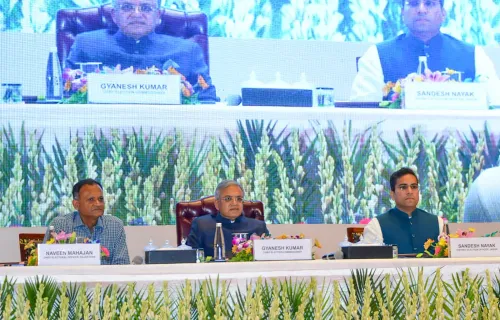
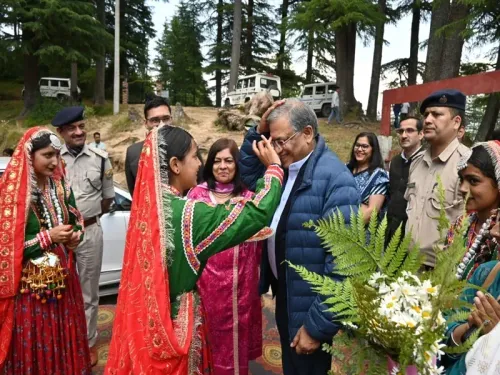
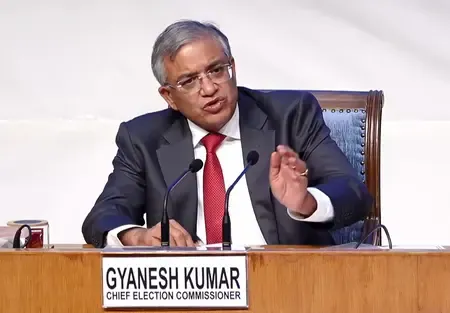
CEC Gyanesh Kumar visits Dharamshala, reviews HP poll preparedness with BLOs
Synopsis
Chief Election Commissioner Gyanesh Kumar's boots-on-ground visit to Dharamshala puts the spotlight on electoral roll accuracy as Himachal Pradesh gears up for its 2027 assembly polls. With the ECI's Special Intensive Revision already running across 16 states and 3 UTs, the visit underscores how seriously the Commission is treating voter list integrity — a foundational but often overlooked pillar of electoral credibility.
Key Takeaways
CEC Gyanesh Kumar visited Dharamshala, Himachal Pradesh on 5 June 2026 and interacted with election officials and Booth Level Officers (BLOs) .
Himachal Pradesh is preparing for assembly elections expected in November 2027 to elect all 68 members .
The ECI's Special Intensive Revision (SIR) – Phase III enumeration phase is underway in Odisha, Mizoram, Sikkim, and Manipur from 3 May 2026 .
Deadline for Enumeration Form submission to EROs is 28 June 2026 ; late applicants may use Form-6 during the claims and objections period.
The SIR was ordered by ECI on 14 May across 16 states and 3 Union Territories under Article 324 of the Constitution.
Recognised political parties' Booth Level Agents (BLAs) can collect up to 50 forms per day to assist BLOs.
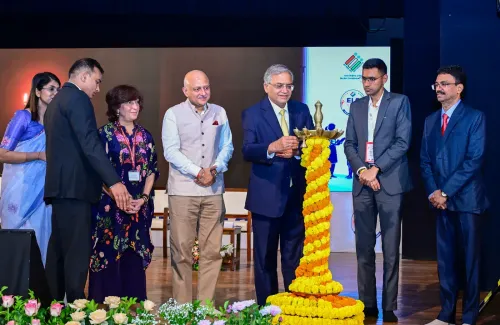
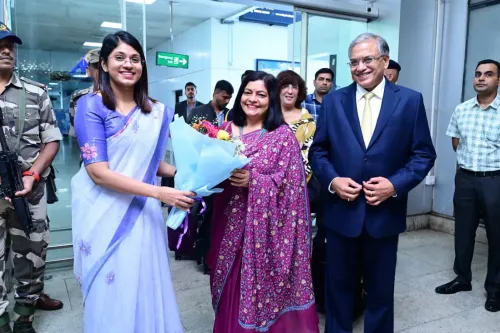
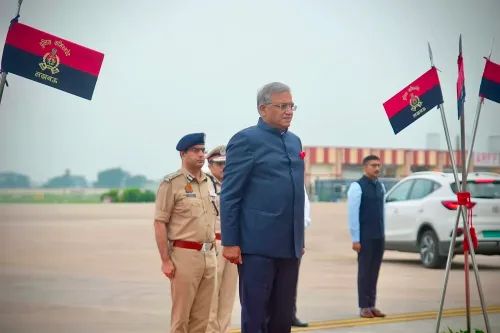
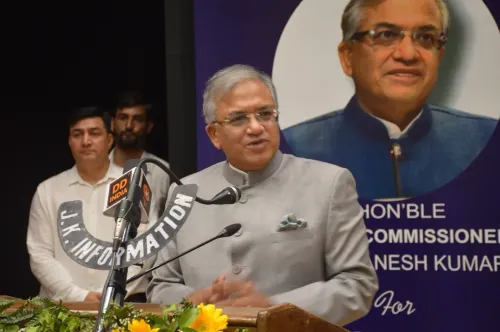
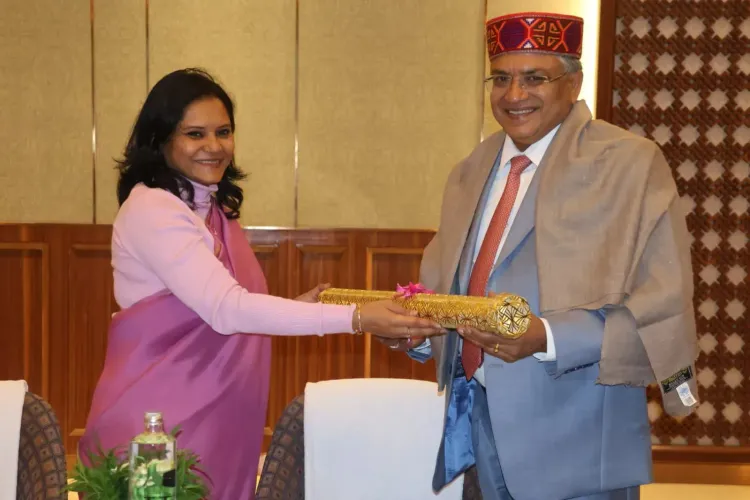
Chief Election Commissioner Gyanesh Kumar on Friday, 5 June arrived in Dharamshala, Himachal Pradesh, and held a direct interaction with election officials and Booth Level Officers (BLOs), as the Election Commission of India (ECI) ramps up groundwork ahead of the state's assembly elections. The visit signals early mobilisation for polls expected in November 2027 to elect all 68 assembly members.
What the CEC Reviewed
During the interaction, Gyanesh Kumar commended BLOs for their ongoing work in updating electoral rolls and preserving the integrity of the voters' list. BLOs serve as the ground-level backbone of the electoral machinery, conducting house-to-house visits and verifying voter data at the booth level.
The visit comes as Himachal Pradesh officials have begun preparatory groundwork for what will be a significant state election cycle. With 68 assembly constituencies up for grabs, the accuracy of electoral rolls is considered critical to a free and fair contest.
Special Intensive Revision Phase III Underway
The CEC's Dharamshala visit coincides with a broader national exercise. The Election Commission of India has launched the enumeration phase of Special Intensive Revision (SIR) – Phase III in Odisha, Mizoram, Sikkim, and Manipur, which began on 3 May 2026.
According to the ECI, all eligible electors whose Enumeration Forms are received by the Electoral Registration Officer (ERO) on or before 28 June 2026 will be included in the Draft Electoral Rolls. Electors unable to meet that deadline may apply through Form-6 along with the prescribed Declaration Form during the claims and objections period.
How BLOs Are Conducting the Drive
During the enumeration phase, BLOs are conducting door-to-door visits across all households, distributing, collecting, and verifying forms. Each BLO is required to carry at least 30 blank Form-6s along with blank Declaration Forms to facilitate on-the-spot enrolment of new electors.
Electors may submit their duly filled forms either directly through the BLO or through the online portal. The Commission has also allowed Booth Level Agents (BLAs) of recognised political parties to collect up to 50 forms per day from the public and hand them over to the BLO before the Draft Publication — a move aimed at widening political party participation in the process.
Legal Mandate and Scale of the SIR
The ECI, exercising its powers under Article 324 of the Constitution of India and Section 21 of the Representation of the People Act, 1950, ordered the SIR across 16 states and 3 Union Territories on 14 May. The Commission has stated that the primary objective is to ensure no eligible citizen is excluded from the electoral roll and no ineligible person is included.
Notably, this is part of a sustained ECI push to clean up voter lists ahead of a dense election calendar. With Himachal Pradesh assembly polls on the horizon and a national SIR covering nearly two dozen jurisdictions, the accuracy and completeness of rolls will be under close scrutiny in the months ahead.
Point of View
Making every missing or erroneous entry consequential. The broader SIR across 16 states and 3 UTs reflects a Commission aware that voter list errors have drawn legal and political fire in recent cycles. Whether the ground-level machinery — BLOs under administrative pressure — can deliver the quality the CEC is publicly demanding remains the real question.
NationPress
21 Oct 2026
Frequently Asked Questions
Why did CEC Gyanesh Kumar visit Dharamshala?
Chief Election Commissioner Gyanesh Kumar visited Dharamshala on 5 June 2026 to interact with election officials and Booth Level Officers (BLOs) and review preparations for Himachal Pradesh's upcoming assembly elections. He appreciated BLOs for their work in updating electoral rolls and maintaining voter list integrity.
When are the Himachal Pradesh assembly elections expected?
Himachal Pradesh assembly elections are expected in November 2027 to elect all 68 assembly members. State election officials have already begun preparatory groundwork ahead of the polls.
What is the Special Intensive Revision (SIR) Phase III?
The Special Intensive Revision Phase III is an ECI-mandated exercise to update and clean electoral rolls, currently in its enumeration phase in Odisha, Mizoram, Sikkim, and Manipur. BLOs conduct house-to-house visits to distribute and collect Enumeration Forms, with a submission deadline of 28 June 2026 for inclusion in Draft Electoral Rolls.
What is the deadline for submitting the Enumeration Form?
Electors must submit their Enumeration Forms to the Electoral Registration Officer (ERO) on or before 28 June 2026 to be included in the Draft Electoral Rolls. Those who miss the deadline can apply via Form-6 along with the prescribed Declaration Form during the claims and objections period.
How many states and UTs are covered under the current SIR?
The ECI ordered the Special Intensive Revision across 16 states and 3 Union Territories on 14 May, under Article 324 of the Constitution and Section 21 of the Representation of the People Act, 1950. The primary objective is to ensure no eligible citizen is excluded and no ineligible person is included in the electoral roll.