Is the Cheetah Reintroduction Program a Step Towards Conservation?

Synopsis
On International Cheetah Day, wildlife experts celebrate the successful reintroduction of cheetahs in India, initiated by PM Modi. This milestone not only marks a revival of this majestic species but also showcases India's commitment to wildlife conservation. Discover how this initiative is reshaping the future of endangered species in the country.
Key Takeaways
Successful breeding centers are key to the program's progress.
The reintroduction has led to a positive growth in the cheetah population.
Kuno National Park is becoming a model for global conservation.
Community involvement is crucial for the sustainability of conservation efforts.
The birth of cheetah cubs signifies successful adaptation to the Indian environment.
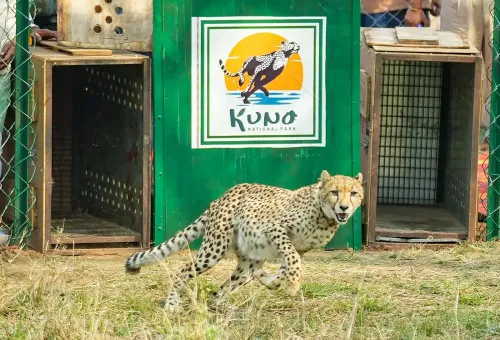
New Delhi, Dec 4 (NationPress) On the celebration of International Cheetah Day, numerous wildlife experts have lauded the Cheetah reintroduction initiative launched by Prime Minister Narendra Modi three years ago. They commended the government’s commitment to fostering a thriving future for the endangered species and enhancing the nation’s wildlife.
Experts asserted that the effort to bring African cheetahs back into Indian forests has shown promising outcomes, setting a new course for wildlife conservation in the country.
Wildlife specialist and physician Sunil Bawiskar shared with IANS, "A breeding center has been created, and in my opinion, it has performed quite well in its initial phase. Moving forward, if breeding is to be expanded, the program can evolve through bloodline adjustments or by modifying the center's methodology. This preliminary work is yielding positive results."
"Cheetahs vanished from India in the 1980s. The Prime Minister has undertaken an admirable initiative for their reintroduction. The cheetahs that have been brought back, in line with India’s biodiversity, are increasing in population. Historically, cheetahs thrived in this region's grasslands and suitable habitats, and their growth is heartening," he continued.
Other specialists pointed out that Kuno National Park is becoming a leading global conservation model. They highlighted that enhancements in monitoring, management, and conservation infrastructure over the past two years have produced encouraging results.
Earlier today, Prime Minister Modi commemorated International Cheetah Day by emphasizing India's advancements in cheetah conservation and broader national efforts to restore ecological heritage, while recognizing the contributions of local communities, especially the Cheetah Mitras, in propelling this mission.
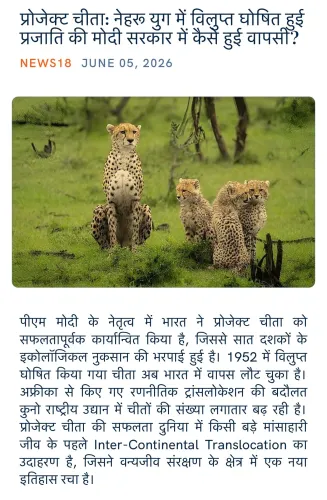
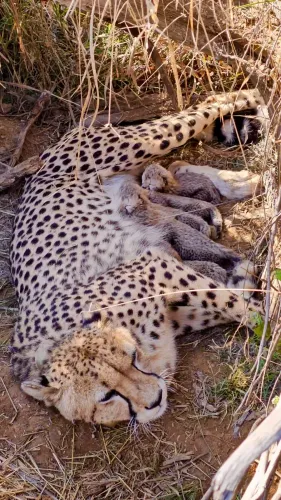
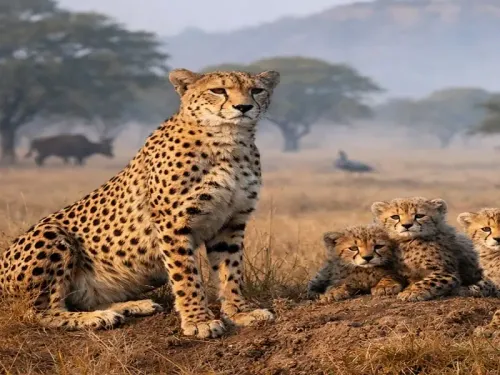
“The birth of five cubs from a female cheetah born in India is undeniable evidence that cheetahs have thoroughly adapted to our environment,” noted the Prime Minister, marking a significant milestone in the program's journey.
He also extended warm wishes to wildlife enthusiasts and conservationists dedicated to protecting the cheetah, describing the project as a crucial step toward ecological restoration.
Point of View
I believe that the Cheetah Reintroduction Program exemplifies a crucial step in wildlife conservation. The government's proactive measures, alongside community involvement, highlight a comprehensive strategy to restore biodiversity. This initiative not only revives a historical species but also fosters ecological balance, making it a commendable national effort.
NationPress
19 Sept 2026
Frequently Asked Questions
Why were cheetahs reintroduced to India?
Cheetahs were reintroduced to restore their historical presence in India and enhance biodiversity.
What has been the outcome of the reintroduction program?
The program has shown promising results, including the birth of cubs, indicating successful adaptation.
What role do local communities play in this initiative?
Local communities, particularly the Cheetah Mitras, are pivotal in supporting conservation efforts.