Is Puzhal Reservoir Overflowing Due to Heavy Rain?
Synopsis
Chennai is currently facing a significant rise in water levels in its major reservoirs due to intense rainfall. With Puzhal reservoir now at full capacity for two days, authorities have issued alerts for vulnerable areas. Residents are urged to remain vigilant as flood risks increase.
Key Takeaways
Puzhal reservoir has reached full capacity due to heavy rains.
Authorities are discharging excess water to prevent flooding.
Residents in vulnerable areas are urged to stay alert.
Monitoring teams are assessing the situation continuously.
Emergency services are prepared for any escalation.
Chennai, Dec 10 (NationPress) Following heavy rainfall across the catchment regions, the water levels in vital drinking water reservoirs near Chennai have surged significantly, leading authorities to issue a precautionary alert for residents in vulnerable low-lying and coastal areas.
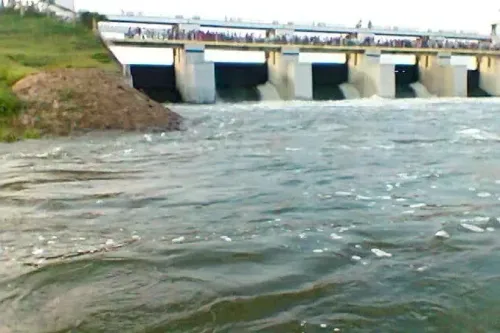
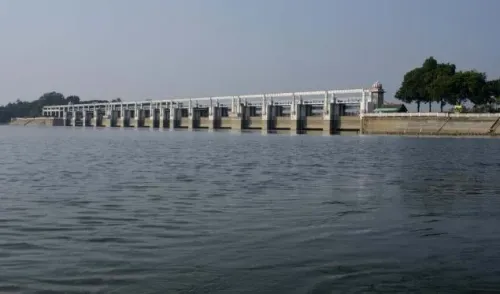
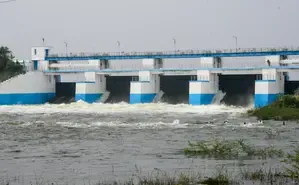
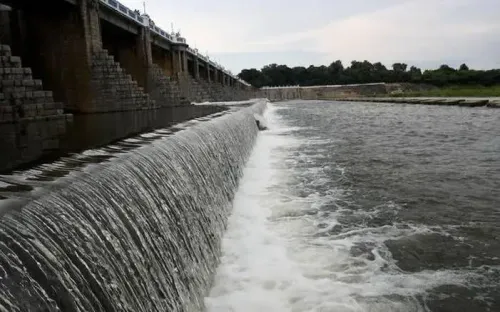
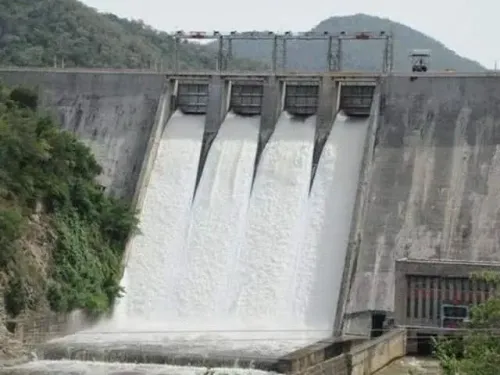
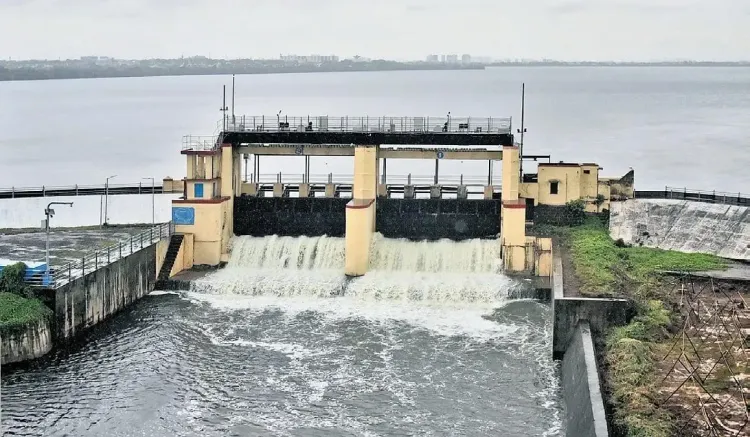
The Puzhal reservoir, one of the major water bodies, has reached its full storage capacity for the second consecutive day, necessitating the controlled release of excess water.
Officials from the city's water resources department report that the three main reservoirs supplying drinking water to Chennai—Chembarambakkam Lake, Puzhal Lake, and Poondi Lake—have all experienced a significant increase in inflows due to the persistent and widespread rainfall over recent days.
The substantial precipitation in upstream areas has notably enhanced water storage, thereby improving the city’s drinking water security but also raising the risk of flooding in adjacent regions. Officials confirmed that the Puzhal reservoir, with a total capacity of 3,300 million cubic feet (mcft), reached its maximum level on Tuesday and has maintained that level on Wednesday.
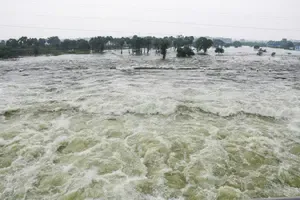
In line with flood management protocols, authorities are currently discharging approximately 300 cubic feet per second (cusecs) of surplus water from the reservoir into downstream channels.
“With the reservoir at maximum capacity, we are regulating the surplus discharge to alleviate pressure on the bunds,” stated a senior official. “The release will be modified according to additional inflow from the catchment regions,” he added.
Simultaneously, both Chembarambakkam and Poondi reservoirs have shown a steady and significant rise in water levels, although they remain within safe operational limits. Monitoring teams have been deployed constantly at all major water bodies to evaluate structural safety, inflow trends, and downstream effects.
Given the ongoing discharge from Puzhal and potential for more rainfall, the district administration has issued an advisory urging residents near canals, river courses, and low-lying coastal areas to stay alert.
Fisherfolk, lakeside residents, and individuals in flood-prone areas have been advised to adhere strictly to official instructions and relocate to safer areas if necessary. Revenue, police, and disaster response teams are on standby, while local authorities have been instructed to keep drainage systems clear and prepare emergency shelters for any escalation in the situation.
Point of View
The situation in Chennai underscores the critical need for effective water management and disaster preparedness in urban areas facing climate change impacts. The proactive measures being implemented highlight the importance of safeguarding communities against potential flooding, ensuring that local authorities remain vigilant in their response efforts.
NationPress
30 Sept 2026
Frequently Asked Questions
What is causing the rise in water levels in Chennai's reservoirs?
The rise in water levels is primarily due to intense rainfall across the catchment areas surrounding Chennai.
What precautions are being taken by authorities?
Authorities have issued alerts for vulnerable regions and are regulating water discharge from the reservoirs to prevent flooding.
Are other reservoirs also affected?
Yes, Chembarambakkam and Poondi reservoirs have also seen substantial increases in water levels, but they are still within safe limits.
What should residents near reservoirs do?
Residents in low-lying and coastal areas are advised to remain vigilant and follow official instructions for safety.
What measures are in place for emergency response?
Local authorities have teams on standby, emergency shelters prepared, and drainage channels are being kept clear.