Can China's 'iron brotherhood' with Pakistan be re-forged in pragmatism?
Synopsis
Explore the evolving dynamics of the China-Pakistan relationship, often celebrated as an 'iron brotherhood'. As global politics shift, the need for pragmatic ties based on mutual delivery and clarity becomes crucial. Can this bond stand the test of changing expectations and realities?
Key Takeaways
The China-Pakistan bond is evolving towards pragmatism.
Emotional rhetoric may no longer suffice in the current geopolitical climate.
CPEC presents both opportunities and challenges for Pakistan.
China’s expectations of Pakistan include stability and governance.
Strategic clarity is crucial for future cooperation.
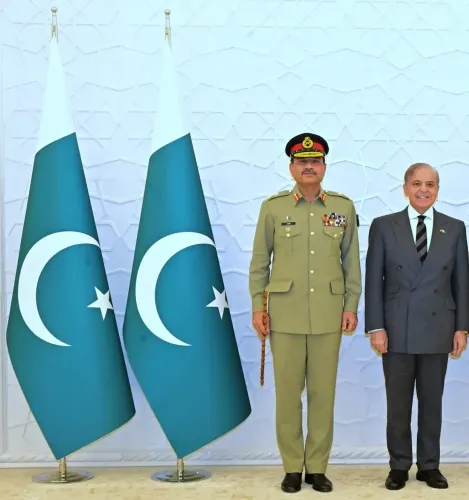
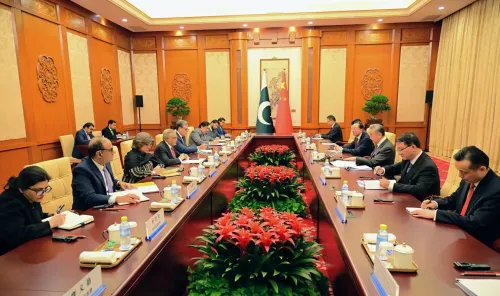
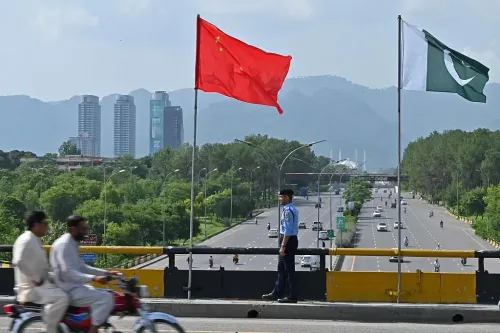
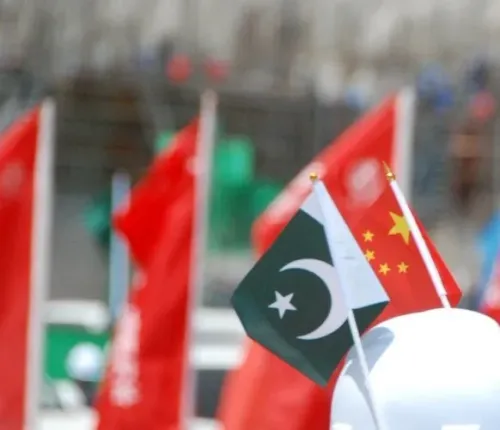
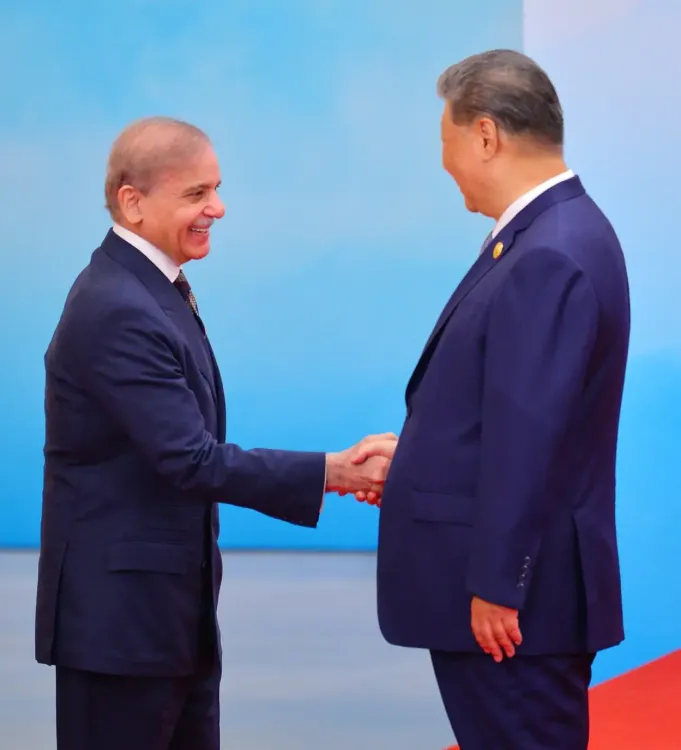
Islamabad, Nov 2 (NationPress) The relationship between China and Pakistan has often been termed a 'iron brotherhood'. Yet, with the shifting dynamics of global politics, there is a pressing need for these ties to be grounded in mutual delivery and strategic clarity rather than merely poetic expressions. A report suggests that this iron brotherhood may need to be re-forged through pragmatism.
Historically, Pakistan has leaned on emotional language to describe its relationship with China. Recently, several Chinese officials have adopted similar friendly phrases to demonstrate a shared vision and a sense of closeness. However, the narrative of the 'iron brother' carries risks, potentially leading to inflated expectations within Pakistan and fostering the misleading idea that China's support is unwavering, regardless of Pakistan's actions, as noted by former ambassador Najm us Saqib in an opinion piece for The Nation.
In this opinion piece, he asserted, “International relations typically revolve around cold, hard national interests. Yet, the Pakistan-China connection has long been characterized by warm, familial language, likened to heights greater than the Himalayas and depths deeper than the oceans. While this rhetoric is powerful, it masks a more intricate and increasingly fragile reality. As geopolitical shifts occur, it is essential to reassess whether this emotional portrayal is an asset or a liability, and if the partnership can endure the growing pressures of unmet expectations and strategic adjustments.”
Underneath the fraternal rhetoric lies a foundation rooted in mutual necessity. Pakistan's geographical position offers a land route to the Arabian Sea through the Gwadar Port, which diversifies China's trade interests. Additionally, China's alliance with Pakistan provides a significant ally in the Muslim World, supporting its vision for a new global order. Conversely, China bolsters Pakistan's economy through substantial investments, particularly via the China–Pakistan Economic Corridor (CPEC). Beyond financial input, China supplies advanced military technology and arms to Pakistan while also advocating for the latter on the global stage.
However, an opinion piece in The Nation highlighted that CPEC has become a battleground where lofty rhetoric confronts harsh realities. The project's initial phase, while enhancing power generation and infrastructure, unveiled critical challenges for Pakistan, including disappointment in developing a complementary industrial base, bureaucratic delays, and contributing to the nation’s debt crisis. Although Chinese investors are strategically committed, they have become increasingly cautious, observing Pakistan’s economic vulnerabilities.
With public debt surpassing 70% of GDP and strict fiscal measures imposed by an ongoing IMF program, effective project execution is now crucial for economic survival. Hence, past delays in payments and regulatory obstacles have dampened initial enthusiasm, prompting Beijing to prefer projects with clearer revenue prospects and effective risk management strategies. The age of unconditional financial support appears to be waning, replaced by a demand for tangible fiscal credibility and sound governance.
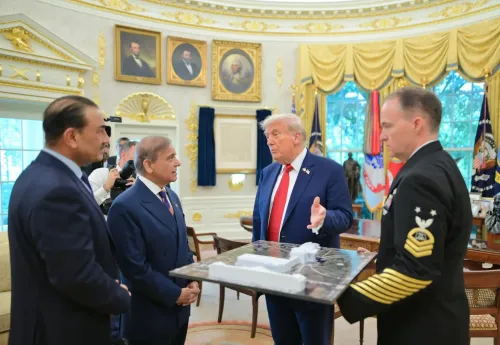
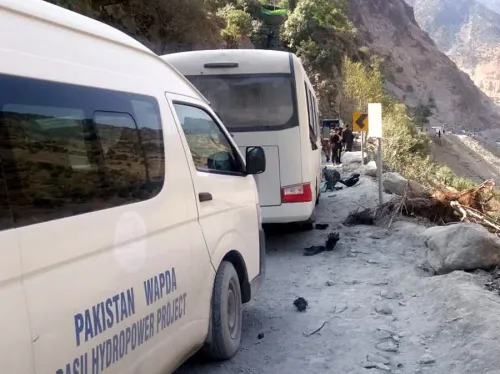
China is also wary of Pakistan's ongoing security issues, particularly concerning attacks on Chinese nationals. Furthermore, Pakistan's recent diplomatic gestures towards the US, China's primary strategic competitor, have further complicated matters. The notion that Pakistan can maintain a ‘win–win’ scenario with both nations is nothing short of a strategic illusion.
Najm us Saqib remarked, “The evolving landscape of global politics calls for a relationship based on the solid foundations of mutual delivery and strategic clarity, rather than flowery terminologies. The ‘iron brotherhood’ may now require re-forging through pragmatism. Pakistan must clearly understand what China expects: a stable, secure, and dependable partner. Relying on emotional rhetoric instead of timely action is a recipe for strategic disappointment, a situation Pakistan cannot afford.”
Point of View
The relationship between China and Pakistan must evolve beyond emotional rhetoric. It is imperative to focus on the practicalities of mutual benefit and strategic clarity to ensure that both nations can navigate the complexities of contemporary geopolitics effectively.
NationPress
30 Sept 2026
Frequently Asked Questions
What is the significance of the China-Pakistan relationship?
The China-Pakistan relationship is significant due to its strategic importance, economic collaborations, and mutual support in various domains, especially through initiatives like CPEC.
How has the perception of this relationship changed recently?
Recent geopolitical changes have prompted a shift from emotional rhetoric to a focus on pragmatic ties based on mutual interests and strategic clarity.
What challenges does Pakistan face in its partnership with China?
Pakistan faces challenges such as economic fragility, security concerns, and the need for effective governance to maintain its partnership with China.
What role does CPEC play in the relationship?
CPEC is central to the China-Pakistan partnership, driving significant investments and infrastructure development, but it also exposes critical challenges for Pakistan.
Can Pakistan maintain a balanced relationship with both China and the US?
Maintaining a balanced relationship with both China and the US may prove challenging for Pakistan, as strategic interests and alignments evolve.