Critics Slam China's Renewable Energy Quality, Warning of Dependencies
Synopsis
A recent report reveals that China's renewable energy technology is criticized by nations in Africa, South Asia, and Latin America for being low-quality and creating long-term dependencies, raising concerns about the sustainability of electrification projects.
Key Takeaways
Criticism of Chinese Technology: Many nations claim that Chinese renewable energy solutions are subpar.
Dependency Creation: China's financing model ties loans to technology imports, fostering long-term reliance.
Impact on Electrification: Frequent equipment failures are hindering electrification projects in recipient countries.
Neo-Mercantilist Exploitation: Leaders perceive their relationship with China as exploitative.
Strategic Limitations: Dependence on Chinese technology may restrict countries' diplomatic flexibility.
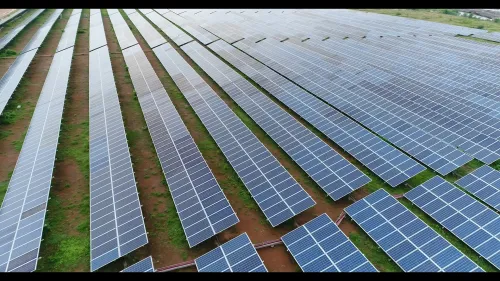
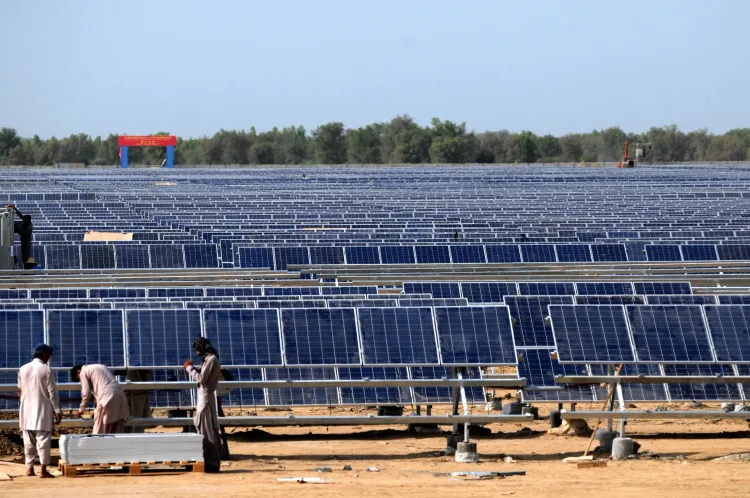
New Delhi, April 11 (NationPress) China's ambition to emerge as a leading exporter of renewable energy technology is facing significant backlash from regions including Africa, South Asia, and Latin America. Critics are labeling Chinese solar panels, wind turbines, and batteries as substandard and ill-suited for local environments, according to a recent report.
The report by Nepal Aaja also highlighted that these initiatives are often linked to financing arrangements that foster long-term dependencies.
"China's financing strategy usually connects loans to technology imports, compelling nations that accept Chinese funds to acquire Chinese equipment. Once these countries are integrated into these supply chains, they become reliant not only on Chinese machinery but also on Chinese spare parts, technicians, and after-sales support," noted the Nepal-based media outlet.
China's renewable energy exports are bolstered by state-subsidized overproduction aimed at absorbing domestic excess, yet they often fail to fulfill the enduring requirements of recipient countries. As a result, the report states, there is a proliferation of subpar technology—initially inexpensive but costly in terms of maintenance and replacement.
Countries in Africa and Southeast Asia that have received Chinese equipment have reported frequent malfunctions and short lifespans, with panels unable to endure local climate conditions, thereby jeopardizing electrification efforts.
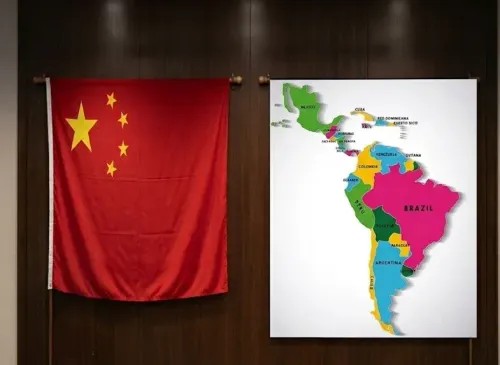
"Grid integration has been ineffective, leading to expensive repairs and delays in electrification projects. In Latin America, Chinese-imported wind turbines have been criticized for their limited lifespan when compared to European counterparts," the report remarked.
While China positions itself as an essential supplier of renewable technologies, its true objective appears to be to ensnare the Global South within its sphere, establishing uneven dependencies with minimal technology transfer.
"This dependency compromises their ability to navigate strategically in a multipolar world. Countries that might otherwise diversify their relationships with China, the West, and other regional powers are hindered by their dependence on Beijing's energy framework," it added.
Leaders in Africa and Latin America have described their relationship with China as a form of neo-mercantilist exploitation, where energy partnerships are leveraged for broader political advantages. China has utilized this leverage in UN voting alignments, Belt and Road Initiative expansions, and bilateral trade discussions.
Point of View
The report sheds light on the complexities of international energy dependencies, particularly regarding Chinese technology. While China's role as a renewable energy supplier is significant, the concerns raised by recipient nations warrant attention to ensure that partnerships are equitable and sustainable.
NationPress
18 Sept 2026
Frequently Asked Questions
What are the main criticisms of China's renewable energy technology?
Critics argue that Chinese solar panels, wind turbines, and batteries are of low quality and poorly suited for local conditions in developing countries.
How does China's financing model create dependencies?
China's financing often ties loans to technology imports, requiring countries to purchase Chinese equipment, leading to dependency on Chinese hardware and services.
What impact does this have on electrification projects?
Frequent breakdowns and short lifespans of Chinese equipment undermine electrification efforts, causing costly repairs and delays.
How do leaders in developing nations view their relationship with China?
Many leaders describe it as a form of neo-mercantilist exploitation, where energy ties are used for broader political leverage.
What are the long-term implications of these dependencies?
These dependencies may limit countries' ability to navigate a multipolar world, constraining their strategic options.