Bengal CID takes over Abhishek Banerjee probe in poll violence case

Synopsis
West Bengal's CID has taken over a second investigation targeting TMC general secretary Abhishek Banerjee — this one for allegedly inciting violence and threatening Home Minister Amit Shah before the assembly polls. With three summonses already issued in a parallel case and the Calcutta High Court rejecting his plea to quash the FIR, Banerjee faces mounting legal pressure even as interim protection from arrest holds until 31 July.
Key Takeaways
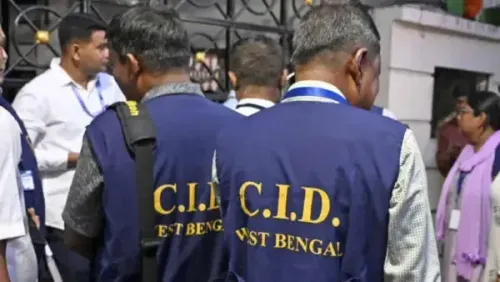
West Bengal CID took charge on Friday of the FIR probe against Abhishek Banerjee for allegedly inciting violence and threatening Home Minister Amit Shah .
The FIR was originally registered at Bidhannagar Cyber Crime Police Station based on remarks made at a pre-election rally.
The Calcutta High Court rejected Banerjee's plea to quash the FIR on 21 May ; Justice Saugata Bhattacharya made strong observations about the alleged remarks.
Banerjee has been granted interim protection from arrest until 31 July , with a ban on foreign travel without court permission.
The CID had already issued three summonses to Banerjee in a separate case involving alleged signature mismatches on a West Bengal Assembly resolution.
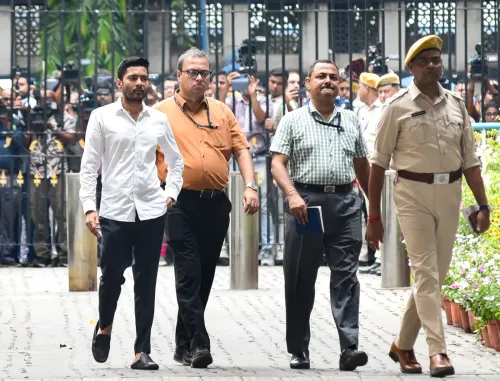
The Criminal Investigation Department (CID) of the West Bengal Police on Friday took charge of the investigation in a fresh case against Trinamool Congress (TMC) general secretary and Lok Sabha member Abhishek Banerjee, who stands accused of inciting violence and allegedly threatening Union Home Minister Amit Shah ahead of the recently concluded West Bengal Assembly polls.
Background of the Case
An FIR was registered against Abhishek Banerjee — also the nephew of former West Bengal Chief Minister Mamata Banerjee — last month at the Bidhannagar Cyber Crime Police Station under the Bidhannagar City Police. Until the transfer, officers of that cybercrime station had been conducting the investigation.
A senior state police official confirmed that the probe was formally handed over to the CID on Friday. Notably, the CID had already issued three summonses to Banerjee for interrogation in a separate, ongoing investigation — one involving alleged mismatches in the signatures of certain TMC legislators on a resolution related to opposition bench appointments in the West Bengal Assembly.
High Court Rejects Plea, Grants Interim Relief
Banerjee had moved the Calcutta High Court seeking the quashing of the FIR, but his plea was rejected on 21 May by a single-judge bench of Justice Saugata Bhattacharya. The court made pointed observations about remarks Banerjee had delivered at a pre-election public rally — remarks that formed the basis of the original complaint and the subsequent FIR.
Justice Bhattacharya questioned how the general secretary of a political party and a three-time Member of Parliament could make such allegedly inciting statements at a public gathering, particularly in a state with a documented history of post-poll violence. The judge observed that had the 4 May assembly poll results gone differently, the comments could have triggered a serious deterioration in law and order.
However, the court granted Banerjee interim protection from coercive police action, including arrest, until 31 July, subject to strict conditions. The primary condition is a ban on foreign travel without prior court permission.
CID's Expanding Role
The CID's assumption of this probe marks an escalation in the agency's involvement with Banerjee. The department is already running a parallel investigation into the legislative signature controversy, having issued three summonses in that matter. The consolidation of probes under the CID signals a more centralised approach to cases involving the senior TMC leader.
What Comes Next
With the CID now steering both investigations, scrutiny of Abhishek Banerjee is set to intensify. His interim protection from arrest remains in force until 31 July, and any further legal challenge is expected to be heard by the Calcutta High Court. The cases collectively add to the political and legal pressures surrounding the TMC's second-most prominent leader ahead of what is expected to be a turbulent post-poll period in West Bengal.
Point of View
Abhishek Banerjee — the TMC's de facto number two — now faces simultaneous scrutiny on two fronts from the same state machinery. The Calcutta High Court's strong language about post-poll violence risk adds judicial weight to what the ruling party may prefer to frame as a politically motivated case. The real question is whether the CID, which operates under the state government, will pursue these probes with the rigour the court appears to expect — or whether the investigations become leverage in a broader intra-party and inter-party power contest in West Bengal.
NationPress
27 Oct 2026
Frequently Asked Questions
Why has the CID taken over the probe against Abhishek Banerjee?
The West Bengal CID took over the FIR investigation from the Bidhannagar Cyber Crime Police Station on Friday, consolidating oversight of cases involving Banerjee. The FIR relates to allegations that he incited violence and threatened Union Home Minister Amit Shah at a pre-election rally.
What did the Calcutta High Court say about Abhishek Banerjee's case?
The Calcutta High Court rejected Banerjee's plea to quash the FIR on 21 May. Justice Saugata Bhattacharya made pointed observations, noting that the alleged remarks at a public rally — made by a three-time MP in a state with a history of post-poll violence — could have caused serious law-and-order deterioration had the election results been different.
Is Abhishek Banerjee protected from arrest?
Yes, the Calcutta High Court granted Banerjee interim protection from coercive police action, including arrest, until 31 July. The protection comes with strict conditions, most notably a ban on foreign travel without prior court permission.
What is the separate CID case against Abhishek Banerjee?
The CID is also investigating alleged mismatches in the signatures of certain TMC legislators on a resolution concerning opposition bench appointments in the West Bengal Assembly. The agency has issued three summonses to Banerjee for interrogation in that matter.
Who is Abhishek Banerjee?
Abhishek Banerjee is the general secretary of the Trinamool Congress (TMC) and a sitting Lok Sabha member. He is also the nephew of former West Bengal Chief Minister Mamata Banerjee and is widely regarded as the party's second most influential leader.