CIK Raids Srinagar Central Jail, Seizes Devices in Terror Case
Synopsis
Counter-Intelligence Kashmir raided Srinagar Central Jail on April 25, seizing digital devices linked to a live terror case under UAPA. The operation, backed by a special NIA court warrant, also triggered an inquiry into how devices were smuggled into the high-security prison — raising alarming questions about insider complicity.
Key Takeaways
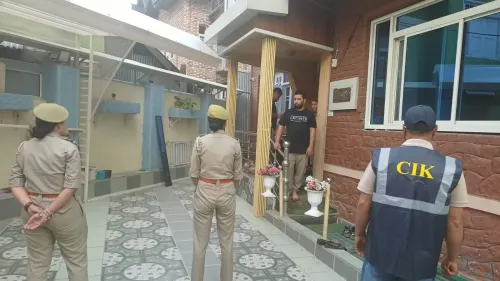
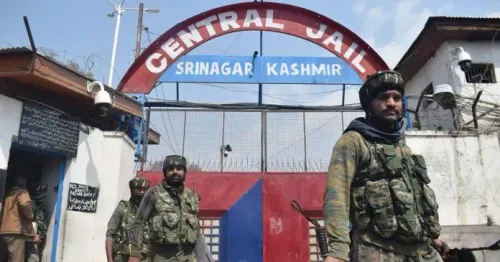
Counter-Intelligence Kashmir (CIK) raided Central Jail Srinagar on April 25, 2025 , in connection with a registered terror-linked case.
The operation was backed by a warrant from a special NIA Act court in case FIR No.
06/2023 at Police Station CI Kashmir.
Charges include IPC Sections 153-A, 505, 121, 120-B and UAPA Sections 13 and 39 — among India's most stringent terror-related provisions.
Digital communication devices and incriminating material were seized from multiple barracks and blocks inside the jail.
Seized devices will undergo forensic examination to identify wider terror networks and communication handlers.
A parallel inquiry has been launched to determine how devices were smuggled into the high-security prison and whether any insiders facilitated the breach.
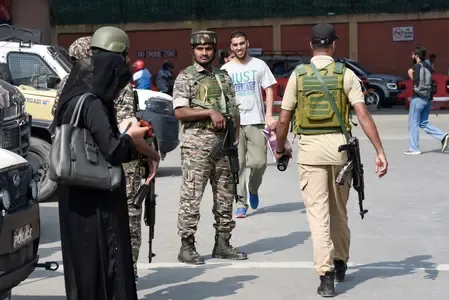
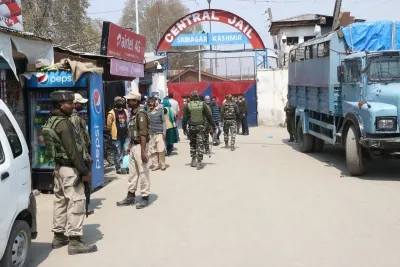
Srinagar, April 25: The Counter-Intelligence Kashmir (CIK) wing conducted a major raid at Central Jail, Srinagar on Saturday, April 25, recovering digital communication devices suspected to be linked to active terror networks. The operation was executed under a warrant issued by a special court designated under the NIA Act, marking a significant escalation in counter-terror surveillance within high-security prison premises in Jammu & Kashmir.
What Triggered the Raid
Officials confirmed that the search operation was initiated following technical intelligence inputs indicating the presence of suspicious digital signatures inside the jail premises. The case is registered as FIR No. 06/2023 at Police Station CI Kashmir and involves charges under Sections 153-A, 505, 121, and 120-B of the Indian Penal Code (IPC), along with Sections 13 and 39 of the Unlawful Activities (Prevention) Act (UAPA).
The invocation of UAPA — India's most stringent anti-terror law — underscores the gravity of the alleged activities being investigated and the potential threat to national security posed by communication networks operating from within prison walls.
Key Developments During the Operation
CIK sleuths conducted thorough searches across multiple barracks and blocks of the jail in close coordination with jail authorities. The operation was described as methodical, targeting specific locations based on prior intelligence analysis.
Digital communication devices and other incriminating material were recovered and seized during the searches. These devices are now set to undergo forensic examination to trace communication trails, identify handlers, and map any broader terror network connected to the registered case.
"Acting on technical inputs about the presence of suspicious digital signatures inside the jail premises, search operations were conducted across multiple barracks and blocks in coordination with jail authorities," an official stated.
Inquiry Into Device Smuggling Launched
Authorities have simultaneously launched an internal inquiry to determine how the digital devices were smuggled into the high-security prison — a development that raises serious questions about security protocols and potential insider complicity. Officials confirmed that the role of any facilitators involved in smuggling the devices is being actively investigated.
This is not an isolated concern. Across Indian prisons, the smuggling of mobile phones and digital devices has been a persistent security challenge, often enabling incarcerated individuals to continue coordinating criminal or terror activities from behind bars. In J&K specifically, such risks are amplified given the active terror ecosystem in the region.
Role and Mandate of Counter-Intelligence Kashmir
The Counter-Intelligence Kashmir (CIK) wing operates as a specialized unit under the J&K Criminal Investigation Department (CID) of the police. It is exclusively tasked with counter-intelligence duties, including monitoring and neutralizing threats to India's sovereignty and territorial integrity from hostile foreign actors and domestic terror networks.
Over the years, the CIK has built a strong operational track record — unearthing plots, identifying sleeper cells, and conducting focused verification of individuals suspected of having terror links. Its work is considered critical to the broader national security architecture in the Union Territory of Jammu & Kashmir.
Broader Implications for Prison Security in J&K
This operation is part of what officials describe as ongoing efforts to curb the misuse of communication devices in sensitive establishments, including prisons. The recovery of devices from Central Jail Srinagar — one of the most high-profile detention facilities in the region — signals that security agencies are intensifying surveillance inside correctional facilities housing terror suspects.
Notably, this raid comes at a time of heightened security sensitivity in Jammu & Kashmir, with agencies on alert following recent incidents in the region. The forensic findings from the seized devices could potentially expose wider networks, lead to fresh arrests, or reveal communication links with handlers operating from across the border.
As the forensic examination of the seized devices progresses, investigators are expected to file supplementary charge sheets in the case, potentially widening the scope of the investigation and naming additional accused. The findings could also prompt a comprehensive review of security protocols at all major jails across the Union Territory.
Point of View
The deterrent value of incarceration itself is undermined. The forensic trail from these devices could prove to be one of the most consequential intelligence breakthroughs in the region this year.
NationPress
19 Sept 2026
Frequently Asked Questions
What happened during the CIK raid at Srinagar Central Jail?
The Counter-Intelligence Kashmir (CIK) wing raided Central Jail Srinagar on April 25, 2025, recovering digital communication devices linked to a terror case. The operation was conducted under a warrant from a special NIA Act court in connection with FIR No. 06/2023.
What charges are registered in the Srinagar jail terror case?
The case is registered under Sections 153-A, 505, 121, and 120-B of the IPC, along with Sections 13 and 39 of the Unlawful Activities (Prevention) Act (UAPA). These are serious charges related to promoting enmity, sedition, conspiracy, and terror support.
What will happen to the digital devices seized from Srinagar jail?
The seized devices will be sent for forensic examination to trace communication links and map any broader terror network. The findings could lead to fresh arrests or supplementary charge sheets in the case.
Is there an inquiry into how devices were smuggled into Srinagar jail?
Yes, authorities have launched a separate inquiry into how the digital devices were brought inside the high-security prison and whether any facilitators or insiders were involved. This is being investigated alongside the main terror case.
What is the Counter-Intelligence Kashmir (CIK) wing?
CIK is a specialized unit of the J&K Criminal Investigation Department (CID) tasked with counter-intelligence operations, including monitoring terror networks and verifying individuals with suspected terror links. It has played a key role in unearthing anti-national plots in Jammu & Kashmir for many years.