Rajasthan Congress eyes 60% youth quota in local body polls, Gehlot warns against ticket recommendations
Synopsis
Congress is attempting a structural reset in Rajasthan ahead of local body elections — with Dotasara committing 60% of tickets to youth and Gehlot explicitly telling the party not to act on his own recommendations. It is a rare, public admission that patronage-driven selection has cost the party elections before.
Key Takeaways
Former Rajasthan CM Ashok Gehlot called for more than 50% of Congress tickets to go to Gen Z candidates for upcoming local body and Panchayati Raj elections.
Congress Rajasthan president Govind Singh Dotasara raised the commitment to 60% youth tickets, with instructions to be communicated to the grassroots level.
Gehlot warned against ticket distribution based on senior leaders' recommendations, stating 'history shows that whenever a ticket is given on recommendation, defeat follows.' Gehlot extended the warning to his own influence, urging the party not to act on recommendations he himself makes from Jaipur , Bharatpur , or Bikaner .
Dotasara indicated that independents who supported Congress post-election may be considered, while those who defected after winning on a Congress ticket will not receive preference.
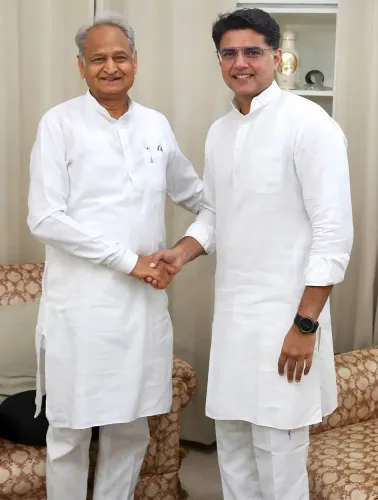
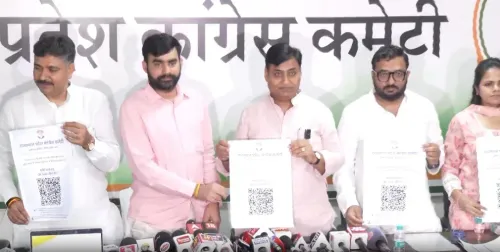
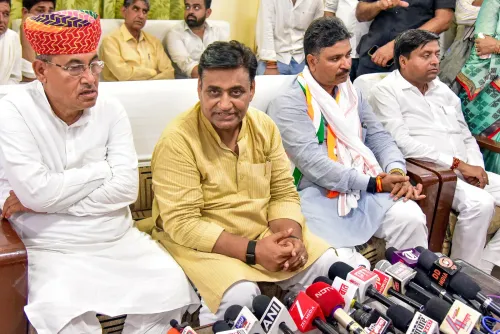
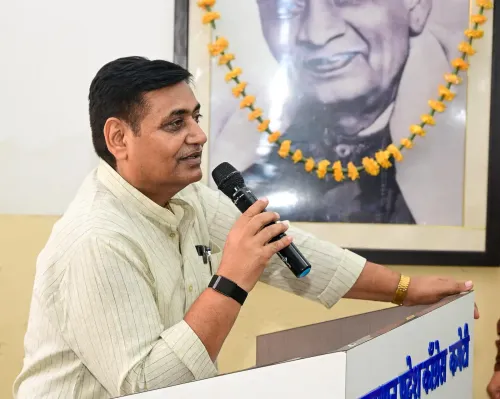
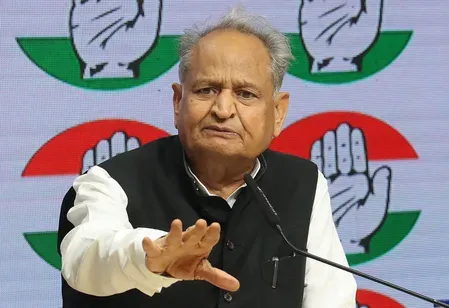
Former Rajasthan Chief Minister Ashok Gehlot on Tuesday, 18 August called for a sweeping generational overhaul in Congress candidate selection ahead of the state's upcoming urban local body and Panchayati Raj elections, urging that more than half of all tickets go to Gen Z and younger candidates. The push, made after a meeting at the Congress War Room in Jaipur, signals a deliberate strategic pivot by the party as it looks to rebuild ground-level strength in Rajasthan following its 2023 assembly election defeat.
What Gehlot Said
Addressing the media, Gehlot argued that the political landscape has been reshaped by Gen Z's growing civic participation and that the party must respond accordingly. 'I have said that more than 50 per cent of the tickets should be given to Gen Z. The experience of senior leaders should be utilised, but the younger generation must be brought forward. Their importance cannot be denied,' he said.
Gehlot was equally emphatic on a separate concern: the long-standing practice of distributing tickets based on senior leaders' personal recommendations. He argued that party observers must be given full authority to assess candidates at the grassroots level, independent of top-down pressure. 'Do not award tickets based on recommendations. History shows that whenever a ticket is given on recommendation, defeat follows. Tickets should be given to genuine party workers,' he stated.
In a notably self-aware caveat, Gehlot extended the warning to his own influence. 'People come to me with recommendations from Jaipur, Bharatpur, and Bikaner. Even if I recommend someone, do not give them a ticket,' he said, acknowledging that senior leaders may lack visibility into ground-level constituency realities.
Dotasara Raises the Bar to 60 Per Cent
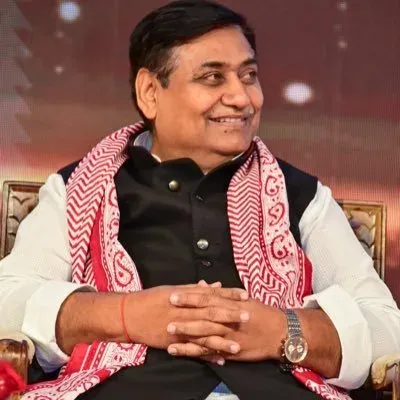
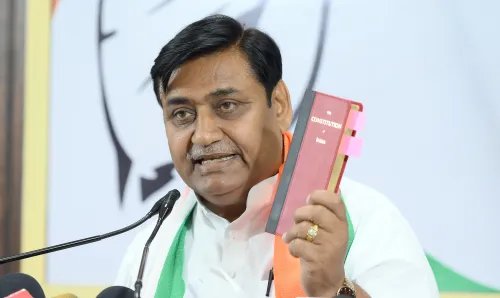
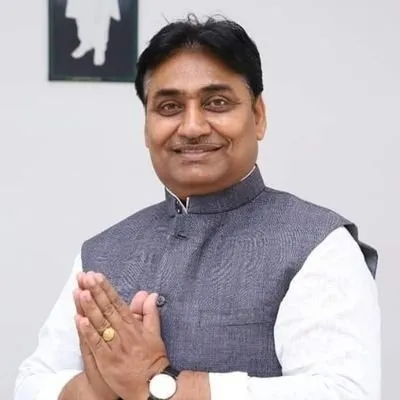
Congress Rajasthan president Govind Singh Dotasara went further than Gehlot's proposal, announcing a firm commitment to reserve 60 per cent of tickets for young candidates. 'We will give 60 per cent of the tickets to the youth, not 50 per cent. This guideline will be communicated down to the grassroots level,' Dotasara said.
Dotasara also outlined a conduct-based filter for candidate consideration. Independents who had supported Congress after previous elections would be eligible, while those who had won on a Congress ticket but subsequently backed a rival party would not receive preference. This signals that loyalty and post-election conduct will weigh as heavily as youth in the final selection calculus.
Why This Matters
The twin announcements reflect a Congress strategy built on three pillars for the upcoming local body cycle: youth representation, grassroots assessment over patronage, and demonstrated party loyalty. Notably, this comes amid a broader national effort by Congress to attract younger voters and candidates, mirroring similar drives seen ahead of state elections in Madhya Pradesh and Chhattisgarh.
For Rajasthan specifically, the push carries added urgency. The party is attempting to recapture local-level influence after losing the state assembly to the Bharatiya Janata Party (BJP) in late 2023. Urban local body and Panchayati Raj elections offer a critical opportunity to rebuild organisational depth and candidate pipelines before the next assembly cycle.
What Happens Next
With Dotasara committing to communicate the 60 per cent youth quota guideline down to the grassroots level, the party's district and block units will now be responsible for identifying eligible young candidates. The emphasis on observer-led assessment over recommendation-based selection represents a procedural shift that, if enforced, could reshape how Congress builds its local candidate lists across Rajasthan.
Point of View
Local body elections are as much about rebuilding organisational credibility as they are about winning seats.
NationPress
3 Oct 2026
Frequently Asked Questions
What is the Congress youth quota for Rajasthan local body elections?
Congress Rajasthan president Govind Singh Dotasara has announced that 60 per cent of tickets for the upcoming urban local body and Panchayati Raj elections will be reserved for young candidates. Former Chief Minister Ashok Gehlot had initially proposed a 50 per cent threshold, which Dotasara then raised.
Why did Gehlot warn against ticket recommendations?
Gehlot argued that distributing tickets based on senior leaders' personal recommendations has historically led to electoral defeats for the party. He stressed that party observers should independently assess grassroots candidates, and unusually, asked the party not to act on his own recommendations either.
Who is Govind Singh Dotasara?
Govind Singh Dotasara is the president of the Congress party's Rajasthan unit. He announced the 60 per cent youth quota guideline and stated it would be communicated down to the grassroots level ahead of the local body elections.
Which elections are Congress preparing for in Rajasthan?
Congress is preparing for upcoming urban local body elections and Panchayati Raj elections in Rajasthan. These are distinct from state assembly elections and offer the party an opportunity to rebuild local organisational strength after its 2023 assembly defeat.
Will independents be considered for Congress tickets?
According to Dotasara, independents who supported Congress after previous elections may be considered for tickets. However, candidates who won on a Congress ticket but later backed a rival party will not receive preference in the selection process.