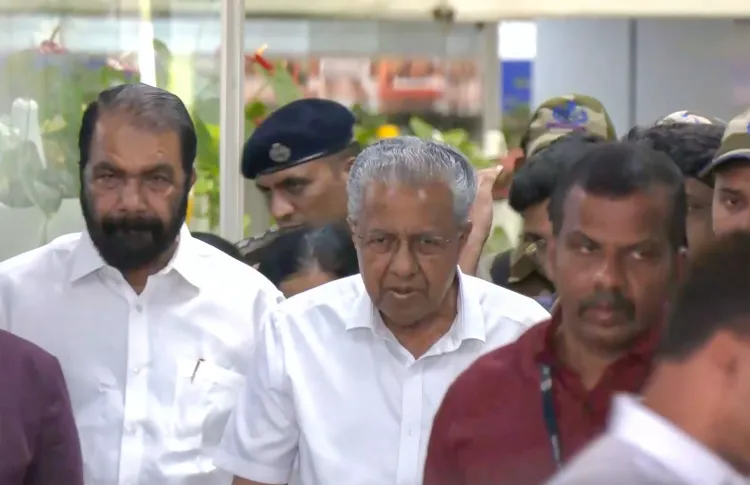
CPI(M) weighs Pinarayi Vijayan's future as Opposition leader after Kerala rout
Synopsis
After nearly 30 years of unchallenged dominance, Pinarayi Vijayan faces his most uncertain political moment. The CPI(M) Politburo is now weighing whether the 81-year-old architect of Kerala's centralised left politics should lead the Opposition — or whether the Left's worst electoral collapse in years demands a generational reset.
Key Takeaways
CPI(M) Politburo is deliberating in New Delhi over who should lead the Opposition in the Kerala Assembly following the Left's devastating electoral defeat.
Pinarayi Vijayan , who has dominated Kerala politics for nearly 30 years , has neither sought nor rejected the Opposition Leader's post, reportedly saying he will accept only if the full leadership insists.
The party is sharply divided — one faction cites Vijayan's unmatched legislative experience; another warns his retention would reinforce public anger over centralised governance.
Vijayan turns 81 later this month , with concerns over his health also entering quiet internal discussions.
The Politburo's decision will determine not just the Opposition leadership but how the broader Pinarayi era is defined in CPI(M) history.
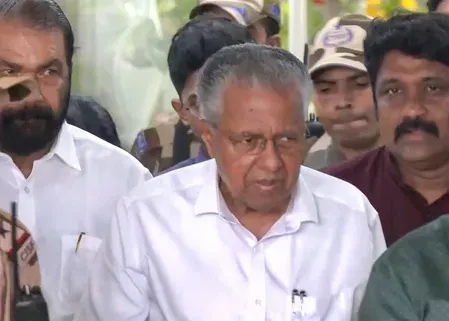
Pinarayi Vijayan, the 81-year-old Communist Party of India (Marxist) strongman who dominated Kerala politics for nearly three decades, faces the most uncertain phase of his long public life as the CPI(M) Politburo deliberates in New Delhi over who should lead the Opposition in the state assembly. The debate, triggered by the Left's devastating electoral collapse, has broadened into a full reckoning over Vijayan's political legacy.
Rise of an Undisputed Strongman
Vijayan's ascent within the CPI(M) was swift and relentless. Entering the E.K. Nayanar Cabinet as Electricity Minister in 1996, he took over as Kerala CPI(M) state secretary by 1998, consolidating control over the organisation with remarkable authority. For nearly two decades, few major decisions in the party were taken without his approval, and internal critics routinely found themselves sidelined.
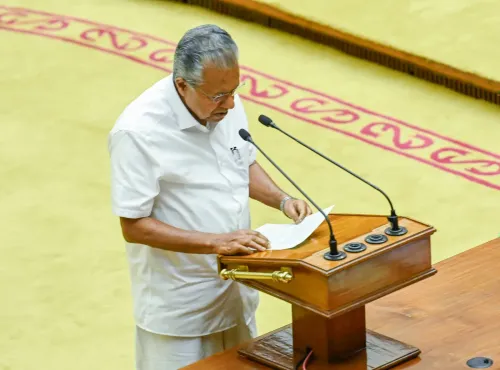
Then came 2016, when Vijayan became Chief Minister and transformed from a powerful organisational strategist into the single most dominant political figure in the state. His historic second term only deepened that dominance — ministers, bureaucrats, and senior party leaders all functioned within a tightly centralised system where his authority remained absolute.
Electoral Collapse Shatters Aura of Invincibility
The Left's stunning defeat in the recent assembly elections has shaken that image profoundly. Inside the Politburo, difficult questions are now being raised openly. Should the very leader under whose watch the Left suffered one of its worst electoral setbacks continue as the face of the Opposition? Or is this the moment to open the door for a new generation of leadership?
The dilemma has sharply divided the party. A strong section within the Kerala unit argues that no sitting assembly member can match Vijayan's experience, legislative aggression, and command over political strategy. Others, however, fear that retaining him at the forefront would only reinforce public anger against what critics have described as excessive centralisation of power and an increasingly inaccessible style of governance.
Vijayan's Calculated Silence
Adding to the uncertainty is Vijayan's own deliberate reticence. According to sources, the veteran leader has neither sought the Opposition Leader's post nor rejected it outright. Instead, he has reportedly conveyed that he would accept any responsibility only if the entire leadership insists. This carefully calibrated position allows him to avoid appearing power-hungry while ensuring that the party alone bears responsibility for the final decision.
Notably, this is not the first time Vijayan has deployed strategic ambiguity at a political inflection point — it is a tactic that has served him well through past internal challenges and factional battles within the CPI(M).
Health and Age Enter the Conversation
With Vijayan set to turn 81 later this month, concerns over his health have quietly entered political conversations within the party. For a leader who dominated Kerala politics uninterrupted for close to 30 years, the combination of age, health questions, and electoral defeat marks a confluence of pressures unlike any he has faced before.
This comes amid a broader generational debate within the Indian left about succession and renewal — a conversation that the CPI(M)'s central leadership can no longer defer.
What Happens Next
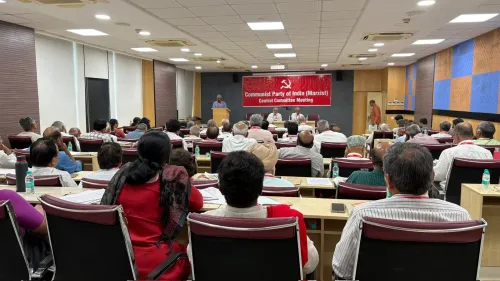
Crucial meetings of both the central and state leadership in the coming days are expected to determine not just who leads the Opposition in the Kerala Legislative Assembly, but how the Pinarayi era will ultimately be remembered in the history of the Indian left. The outcome could set a precedent for how the CPI(M) handles leadership transitions across states where it retains a significant organisational presence.
Point of View
At its core, a question the Indian left has consistently avoided answering: how does a cadre-based party manage the exit of a leader who became larger than the organisation itself? Vijayan's centralisation of power was tolerated — even celebrated — when it delivered electoral wins. Now that it has coincided with a major defeat, the same trait is being reframed as a liability. The CPI(M) risks a no-win choice: retaining Vijayan signals that accountability does not apply to its top leaders; replacing him risks a damaging public fracture. Neither option is clean, and the party's handling of this transition will be watched closely by left formations across India.
NationPress
24 Sept 2026
Frequently Asked Questions
Why is Pinarayi Vijayan's future in the CPI(M) uncertain?
The CPI(M) Politburo is reassessing Vijayan's role after the Left suffered a devastating electoral defeat in Kerala under his watch. At 81 and with health concerns entering internal discussions, the party is debating whether he should continue as the face of the Opposition or make way for a new generation.
What post is being discussed for Pinarayi Vijayan?
The CPI(M) is deliberating whether Vijayan should take on the role of Leader of the Opposition in the Kerala Legislative Assembly. He has reportedly said he will accept the responsibility only if the entire party leadership insists, neither seeking nor rejecting the post.
Why is the CPI(M) divided over Vijayan's leadership?
One faction argues that no current assembly member matches Vijayan's legislative experience and political aggression. The opposing view holds that retaining him would reinforce public criticism of excessive centralisation and an inaccessible governance style that critics say contributed to the Left's electoral losses.
How long has Pinarayi Vijayan dominated Kerala politics?
Vijayan has been a central figure in Kerala's CPI(M) for nearly 30 years, serving as state party secretary from 1998 and as Chief Minister from 2016 through two consecutive terms. During this period, he was widely regarded as the unquestioned authority in both party and government affairs.
What happens next for the CPI(M) in Kerala?
Crucial meetings of the CPI(M)'s central and state leadership are expected in the coming days to finalise the Opposition leadership. The decision will also shape how the party frames its broader political renewal ahead of future elections in Kerala.