Should Innovation in the Automotive Industry Prioritize Customer Data Privacy and Security?
Synopsis
As the automotive industry evolves, SIAM President Shailesh Chandra highlights the crucial need to integrate privacy and security into innovation. This article explores the balance between technological advancement and safeguarding customer data, offering key insights into industry practices and future trends.
Key Takeaways
Prioritize customer data privacy in all innovations.
Establish clear principles for data management .
Increase awareness around data usage among customers.
Implement effective data classification and retention strategies.
Maintain security as a core aspect of system design.
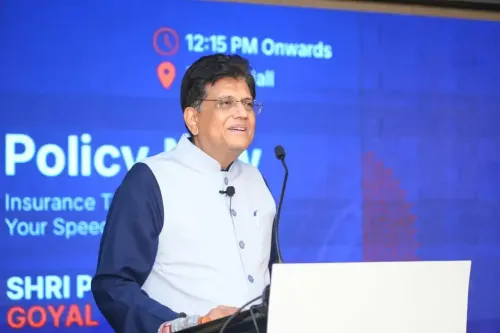
New Delhi, Feb 10 (NationPress) The President of the Society of Indian Automobile Manufacturers (SIAM), Shailesh Chandra, emphasized that any form of innovation within the automotive sector should prioritize the privacy and security of customer data.
In the realm of electric vehicles as well as in traditional Internal Combustion Engine (ICE) vehicles, a significant amount of data is transmitted from customers to various parties involved in the ecosystem.
“This includes potential video feeds from dashboard cameras and phone numbers linked to your infotainment systems. Customers are exposed to extensive information, and we, as industry professionals, are committed to ensuring their privacy,” he stated during an event.
Chandra, who also serves as the CEO of Tata Motors Passenger Vehicles Ltd, asserted that at the level of Original Equipment Manufacturers (OEMs), it is crucial to be highly aware of privacy and security concerns, advocating for established principles.
“The first principle necessitates that customers are informed and give consent regarding the data usage and its intended applications. Secondly, we must categorize the data appropriately,” he added.
Furthermore, an essential aspect includes determining how to manage data, which entails understanding what information should be retained for an extended period and what should be disposed of quickly.
According to Chandra, these principles can only be effectively implemented when “systems are designed with privacy in mind, and security is integrated into the design, which involves categorizing the data appropriately.”
In other news, the automotive sector in India celebrated its strongest November sales last year, with passenger vehicle sales surging nearly 19% to 412,405 units compared to the previous year, according to SIAM data. Sales of three-wheelers rose by 21.3% to 71,999 units, while two-wheeler sales saw a leap of 21.2% to 1,944,475 units.
The industry remains optimistic that ongoing supportive policy reforms and enhanced market sentiments will sustain this growth trajectory until 2026.
Point of View
The emphasis on customer data privacy and security is more critical than ever. The insights from SIAM President Shailesh Chandra reflect a growing recognition among industry leaders about the importance of protecting consumer information while fostering innovation. It is essential that the industry aligns its technological advancements with robust privacy protocols to build trust and ensure sustainable growth.
NationPress
3 Oct 2026
Frequently Asked Questions
Why is customer data privacy crucial in the automotive industry?
Customer data privacy is essential in the automotive industry to protect users from breaches and misuse of personal information, fostering trust and ensuring compliance with regulations.
What are the key principles for data privacy in automotive innovation?
Key principles include informing customers about data usage, obtaining consent, classifying data, and managing its retention and disposal appropriately.
How can automotive companies improve data security?
Automotive companies can improve data security by designing systems with privacy in mind, implementing strict data management policies, and utilizing advanced security technologies.
What impact did the recent sales trends have on the automotive industry in India?
The recent sales trends reflect a robust recovery and growth in the Indian automotive sector, suggesting positive market sentiments and the effectiveness of supportive policy reforms.