Delhi ACP files casteist remarks FIR against journalist, two others
Synopsis
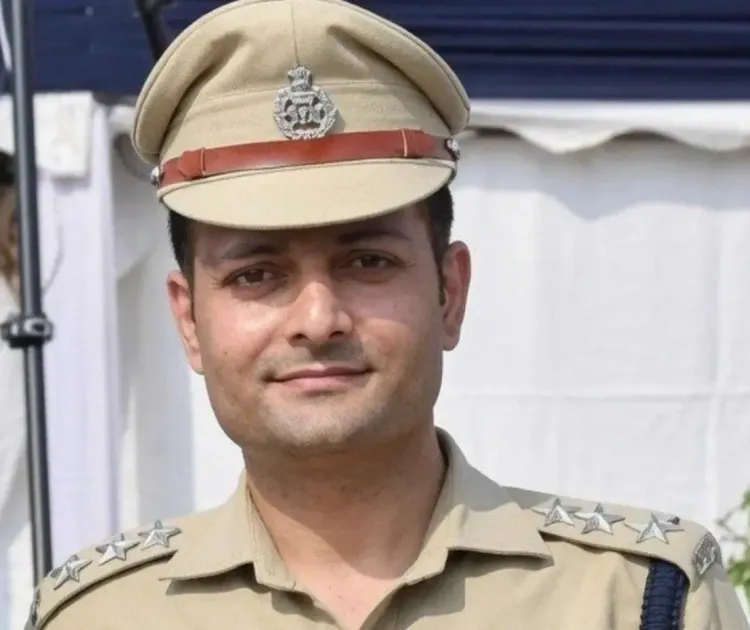
A senior Delhi police officer belonging to the Meghwal Scheduled Caste community has filed an FIR under the SC/ST (Prevention of Atrocities) Act against a journalist and two others for allegedly hurling caste slurs at him during an anti-ECI protest. The twist: the same officer is already under a Crime Branch inquiry for alleged harassment of women protesters — making him simultaneously complainant and subject of investigation.
Key Takeaways
ACP Vivek Bhagat of Delhi's Connaught Place subdivision filed an FIR at Parliament Street Police Station on 13 October 2026 .
The FIR names journalist Rosy , Gajendra Singh (a news portal associate), and an unidentified third person as accused.
Charges include Sections 221, 356(2) and 3(5) of the BNS and provisions of the SC/ST (Prevention of Atrocities) Act .
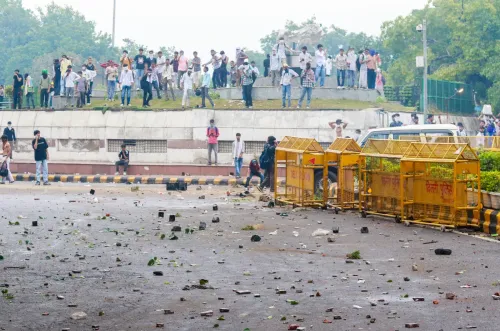
The alleged incident occurred on 3 October 2026 at Buta Singh Roundabout during a protest against the Election Commission of India .
ACP Bhagat is separately under a Crime Branch inquiry over allegations of harassment of women protesters at the same agitation.
Investigation into the new FIR has been assigned to ACP Ajay Kumar Sharma of Parliament Street subdivision.
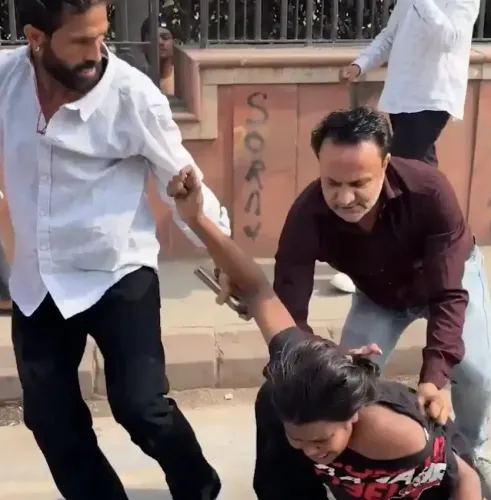
Assistant Commissioner of Police (ACP) Vivek Bhagat, posted in Delhi's Connaught Place subdivision, has filed a First Information Report (FIR) against a woman journalist and two others, alleging they directed casteist slurs at him, publicly humiliated him and obstructed him from discharging official duties during a protest in New Delhi on 3 October 2026. The FIR was registered at Parliament Street Police Station on 13 October 2026.
Who Is Named and Under What Charges
The complaint names journalist Rosy, Gajendra Singh — associated with a news portal — and an unidentified third individual as accused. The case has been registered under Sections 221, 356(2) and 3(5) of the Bharatiya Nyaya Sanhita (BNS), along with provisions of the Scheduled Castes and Scheduled Tribes (Prevention of Atrocities) Act. Further investigation has been assigned to ACP Ajay Kumar Sharma of Parliament Street subdivision.
What the Complaint Alleges
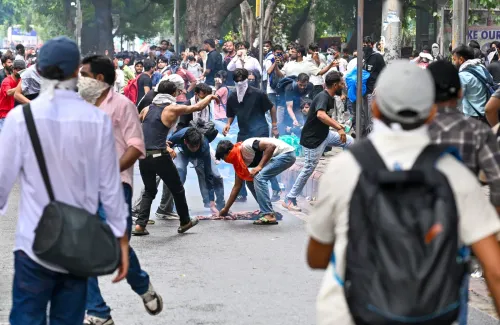
According to the complaint, ACP Bhagat — who identifies as a member of the Megh/Meghwal Scheduled Caste community — was on duty at Buta Singh Roundabout on 3 October, when police were deployed to manage a protest called by Neha Bora and others against the Election Commission of India (ECI). Protesters reportedly gathered around 2.30 pm and attempted to march towards Jantar Mantar despite police announcements invoking Section 163 of the Bharatiya Nagarik Suraksha Sanhita (BNSS) and requests to disperse.
Bhagat alleged that before detentions began, Rosy — in the presence of Gajendra Singh and others — made derogatory remarks referencing his nameplate and caste identity. According to the complaint, she allegedly said: 'Ye Bhagat hai, Meghwal hote hain, ye choti jaati ke hote hai, silai bunai ka kaam karte hai, ye *** kahan se ACP ban gaya.' The ACP stated he ignored the remarks and continued performing his duties.
Allegation of Further Obstruction and Online Posts
Bhagat further alleged that around 3 pm, while facilitating the movement of a bus carrying detainees, Rosy accused him of sexually assaulting her. He claimed she and her associates repeatedly confronted him and impeded his official work. Around 6.15 pm the same evening, Rosy, Gajendra Singh and others allegedly staged a protest outside Parliament Street Police Station, raising slogans against him and, according to his complaint, portraying him as a sexual predator.
The ACP additionally alleged that posts and video reels were subsequently circulated on X and Instagram by the accused and others, including members of the Cockroach Janta Party (CJP), which he claims damaged his reputation. He stated that the actions caused him mental trauma and expressed apprehension that the targeting was motivated by his caste identity.
Broader Context: Harassment Allegations Against ACP Bhagat
This development comes amid a parallel controversy: ACP Bhagat has himself been under scrutiny following allegations of harassment of women protesters during the recent agitation against Chief Election Commissioner Gyanesh Kumar. Those allegations are reportedly being investigated by the Crime Branch. The FIR he has now filed thus sits at the intersection of competing claims — with the officer both a complainant and a subject of inquiry. Notably, the protest on 3 October was directly linked to that broader anti-ECI agitation, lending additional political and legal sensitivity to the episode.
What Happens Next
With the SC/ST (Prevention of Atrocities) Act invoked, the case carries mandatory provisions including non-bailable offences and a dedicated special court process, making anticipatory bail more difficult for the accused. The FIR states that offences under the relevant BNS and SC/ST Act provisions are made out prima facie. How the parallel Crime Branch inquiry into the harassment allegations against Bhagat unfolds is likely to shape the broader public and legal narrative around both proceedings.
Point of View
And should the context of their exercise of power factor into the legal calculus? Courts will ultimately decide, but the optics of a crime branch inquiry running parallel to an SC/ST FIR by the same officer are uncomfortable for all institutions involved.
NationPress
14 Oct 2026
Frequently Asked Questions
What is the FIR filed by ACP Vivek Bhagat about?
ACP Vivek Bhagat of Delhi's Connaught Place subdivision filed an FIR on 13 October 2026 at Parliament Street Police Station against journalist Rosy, Gajendra Singh and an unidentified person, alleging they made casteist slurs against him, publicly humiliated him and obstructed his official duties during a protest on 3 October 2026. Charges have been filed under the BNS and the SC/ST (Prevention of Atrocities) Act.
Who are the accused named in the FIR?
The FIR names journalist Rosy, Gajendra Singh (associated with a news portal) and an unidentified third individual. They are accused of making derogatory caste-based remarks, staging a protest outside Parliament Street Police Station, and circulating allegedly defamatory posts on X and Instagram.
Why is ACP Vivek Bhagat himself under scrutiny?
ACP Bhagat is separately facing allegations of harassing women protesters during the agitation against Chief Election Commissioner Gyanesh Kumar. Those allegations are reportedly under investigation by the Delhi Crime Branch, meaning he is simultaneously a complainant in this new FIR and a subject of a parallel inquiry.
What protest is at the centre of this dispute?
The incidents stem from a protest called by Neha Bora and others against the Election Commission of India on 3 October 2026 at Buta Singh Roundabout in New Delhi. Police were deployed to manage the protest, and tensions escalated during the detention process.
What does invoking the SC/ST (Prevention of Atrocities) Act mean for the accused?
The SC/ST (Prevention of Atrocities) Act carries stringent provisions, including non-bailable offences and a mandatory special court process, making anticipatory bail significantly more difficult for those named. The FIR states that the relevant offences are made out prima facie.