DRI busts ₹30 crore Pakistan rock salt smuggle via Sri Lanka, 4 held
Synopsis
India's trade ban on Pakistani goods is being systematically gamed. DRI's Operation Deep Manifest has exposed a transnational network that routed over 7,300 metric tonnes of Pakistani rock salt through Sri Lanka, using UAE-issued fake certificates — and the original shipping documents themselves listed Pakistan as the source country. Four arrests have been made, but the network spans Pakistani, UAE, Sri Lankan, and Indian nationals.
Key Takeaways
The DRI uncovered illegal imports of 7,311 metric tonnes of Pakistan-origin rock salt worth ₹30 crore under Operation 'Deep Manifest' .
295 containers were routed through Colombo Port, Sri Lanka with fabricated UAE-issued certificates of origin to mask their Pakistani provenance.
Nine importers brought the consignments through Mundra and Kandla ports between March 2026 and October 2026 .
Five containers (140 MT, valued at ₹24.41 lakh ) were seized at Kandla Port; bank proceeds of ₹20.96 lakh were also frozen.
Four people have been arrested under the Customs Act, 1962 , including importers, a customs broker, and a Dubai-based supplier.
The imports violated India's post- Pahalgam terror attack (April 2025) ban on all goods originating in or exported from Pakistan.
The Directorate of Revenue Intelligence (DRI) has dismantled a transnational smuggling network that illegally imported over 7,311 metric tonnes of Pakistan-origin rock salt into India, routing the contraband through Sri Lanka and disguising its origin with fabricated certificates. The operation, codenamed 'Deep Manifest', uncovered consignments with an estimated market value of ₹30 crore and resulted in the arrest of four individuals.
How the Smuggling Network Operated
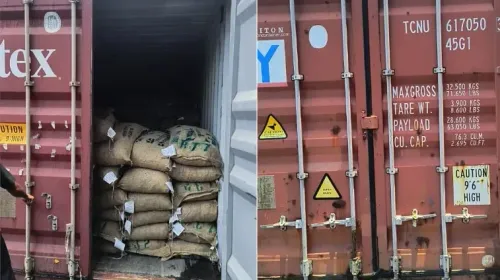
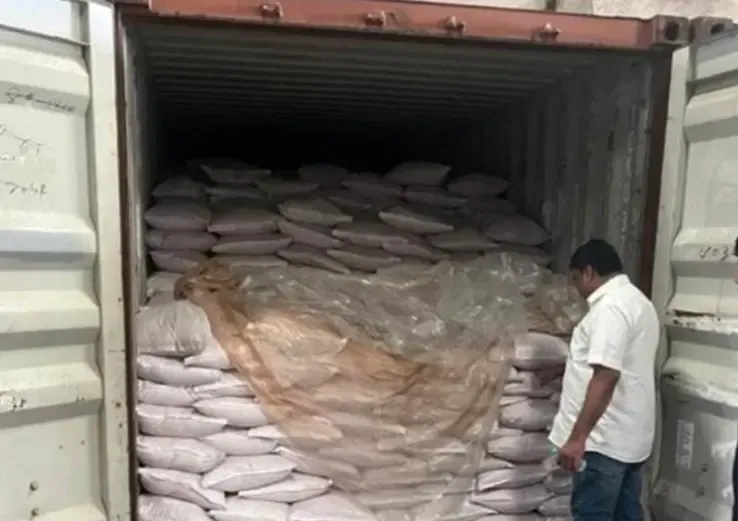
According to officials, nine importers brought in 295 containers of industrial or Himalayan rock salt through Mundra and Kandla ports between March 2026 and October 2026, in violation of India's blanket prohibition on goods originating in or exported from Pakistan. The consignments were first shipped to Colombo Port, Sri Lanka, where fabricated certificates of origin and invoices issued by UAE-based entities were used to mask the Pakistani provenance.
Critically, investigators found that the original Bills of Lading — legally binding carrier documents — covering the Pakistan-to-Sri Lanka leg of the shipments, as well as customs declarations filed with Sri Lanka Customs, explicitly mentioned Pakistan as the country of origin and India as the final destination. The Certificates of Origin subsequently submitted by importers to Indian customs were found to be fabricated. Fabricated invoices issued by Dubai-based firms were used to support the financial transactions.
Key Details of Operation Deep Manifest
DRI launched a coordinated, fortnight-long operation between 26 September and 11 October 2026, conducting searches at linked premises across Gandhidham, Adipur, Veraval, Panipat, Pune, Patiala, Delhi, and Mumbai. Acting on specific intelligence, the agency tracked the shipments back to a transnational network allegedly involving entities owned by Pakistani, UAE, Sri Lankan, and Indian nationals.
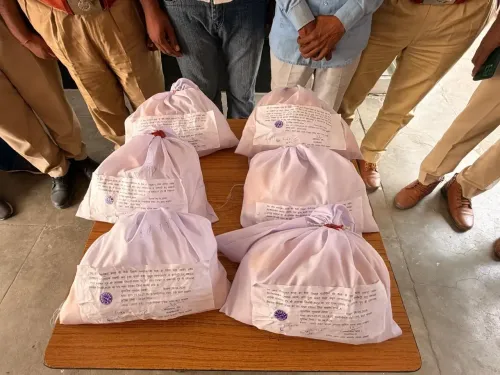
Of the 295 containers detected, five containers carrying 140 metric tonnes of rock salt, valued at ₹24.41 lakh, have been seized at Kandla Port. Additionally, sales proceeds amounting to ₹20.96 lakh held in the importers' bank accounts have been seized.
Four Arrested Under Customs Act
The four individuals arrested under the provisions of the Customs Act, 1962 include two proprietors or partners of importing firms, a Customs Broker's G-card holder, and the owner of a Dubai-based supplier who had also established and operated an importing firm in his father's name. The arrests reflect the multi-jurisdictional reach of the network.
Context: India's Import Ban on Pakistani Goods
The illegal operation was a direct circumvention of the prohibition imposed by the Union government following the April 2025 Pahalgam terror attack, which banned the direct or indirect import or transit of all goods originating in or exported from Pakistan on grounds of national security and public policy. Notably, this is not an isolated case. In a similar crackdown last month, DRI seized over 3,62,000 kg of Pakistan-origin dry dates packed in 13 containers, imported by a Mumbai-based firm at CFS Ambad in Nashik.
Together, these cases reveal a pattern of evolving evasion tactics — third-country routing, false origin declarations, fabricated trade documents, and opaque financial arrangements — employed by transnational networks to bypass India's trade sanctions. Investigators say the probe is ongoing and further arrests cannot be ruled out.
Point of View
Forged origin certificates, and shell entities across four nationalities — that the existing compliance architecture was not built to detect at scale. The fact that original Bills of Lading openly cited Pakistan as the origin country suggests customs verification at Indian ports was inadequate, not just that the smugglers were clever. With the dry-dates seizure last month and now this rock salt haul, a pattern is crystallising: the ban has created a profitable arbitrage, and plugging it will require real-time data-sharing with Sri Lanka and UAE customs, not just reactive DRI raids.
NationPress
14 Oct 2026
Frequently Asked Questions
What is Operation Deep Manifest by the DRI?
Operation Deep Manifest is a DRI-led enforcement operation that ran from 26 September to 11 October 2026, targeting illegal imports of Pakistan-origin goods routed through third countries. It uncovered 7,311 metric tonnes of Pakistan-origin rock salt worth ₹30 crore being smuggled into India via Sri Lanka using fabricated certificates of origin.
Why is importing Pakistan-origin goods banned in India?
The Union government imposed a complete prohibition on the direct or indirect import or transit of all goods originating in or exported from Pakistan following the April 2025 Pahalgam terror attack, citing national security and public policy grounds. The ban covers all categories of goods.
How did the smuggling network evade detection?
The network routed Pakistani rock salt through Colombo Port in Sri Lanka and used fabricated certificates of origin and invoices issued by UAE-based entities to claim non-Pakistani origin. Investigators found that the original Bills of Lading and Sri Lanka customs declarations explicitly named Pakistan as the source country, exposing the fraudulent documentation.
Who was arrested in connection with the case?
Four individuals were arrested under the Customs Act, 1962: two proprietors or partners of importing firms, a Customs Broker's G-card holder, and the owner of a Dubai-based supplier who also operated an importing firm in his father's name. The network involved nationals from Pakistan, the UAE, Sri Lanka, and India.
Is this the first such case of Pakistan-origin goods being smuggled into India?
No. In a similar crackdown the previous month, DRI seized over 3,62,000 kg of Pakistan-origin dry dates packed in 13 containers imported by a Mumbai-based firm at CFS Ambad in Nashik. The two cases together indicate a systematic and evolving pattern of circumventing India's import prohibition on Pakistani goods.