Delhi Assembly Session April 28: High Security After Bomb Threats
Synopsis
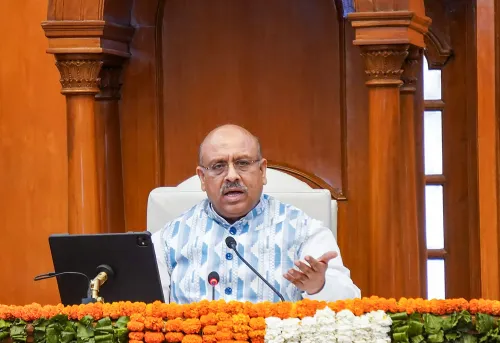
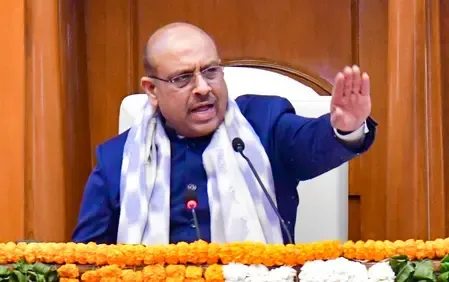
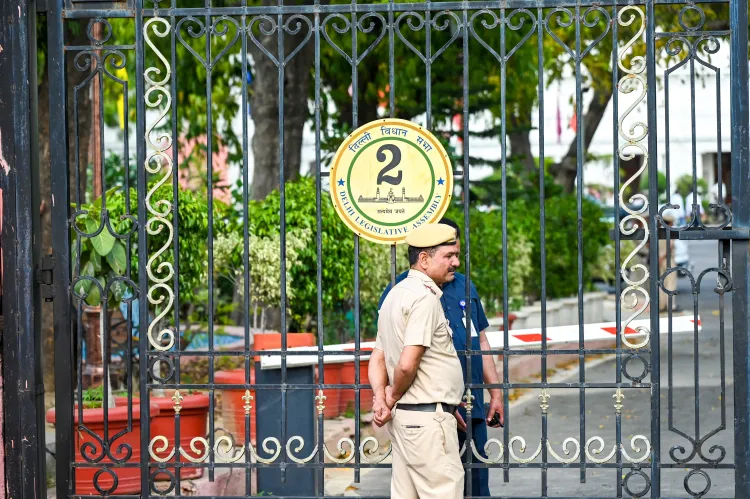
The Delhi Assembly's 5th session opens April 28 under unprecedented security after at least 3 threats in weeks — including a 16-IED hoax email and a man who rammed the complex gates and escaped unchallenged. Media access has been restricted, and Speaker Vijender Gupta has escalated the matter to Delhi's Police Commissioner.
Key Takeaways
The fifth session of the eighth Delhi Assembly begins on April 28, 2025 at 11 a.m. at Old Secretariat, New Delhi.
Security has been tightened after a hoax bomb threat email received on April 13 , claiming explosives were inside the premises.
On March 25 , a separate email claimed 16 RDX-based IEDs were planted in the Assembly, set to detonate at 1:40 p.m. — later confirmed a hoax.
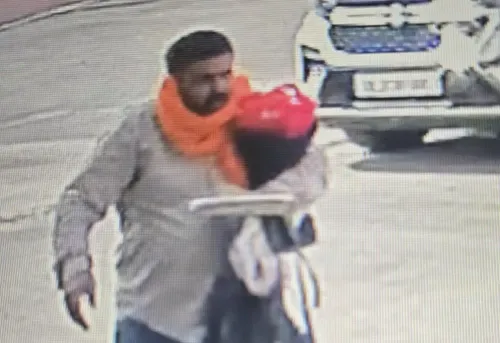
On April 6 , Sarabjit Singh from Pilibhit, UP rammed the Assembly's security gates with his car and escaped unchallenged.
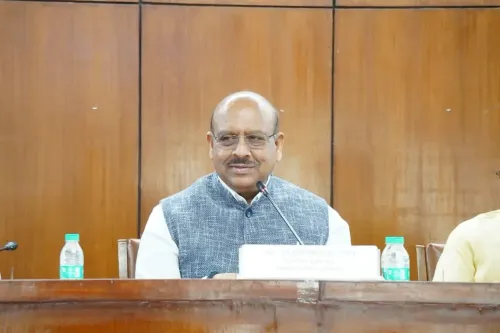
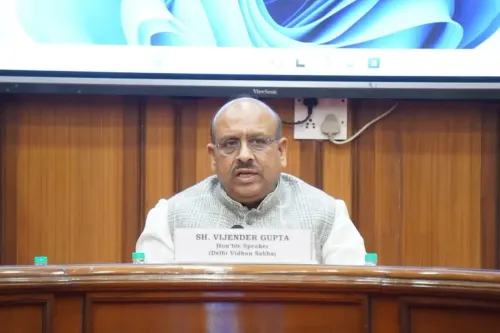
Speaker Vijender Gupta has written to Delhi Police Commissioner Satish Golcha demanding a permanent security fix.
Media is now restricted to the open forecourt area for all interactions with MLAs and Ministers, with corridor access banned.
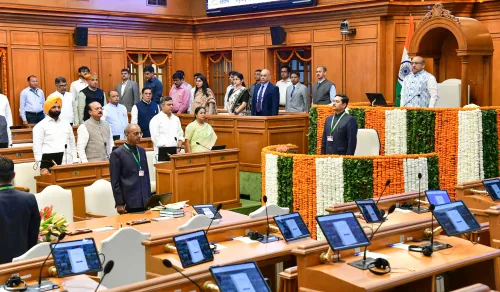
The fifth session of the eighth Delhi Legislative Assembly is set to begin on Tuesday, April 28, at 11 a.m. in the Assembly Hall at Old Secretariat, New Delhi, under significantly heightened security protocols following a series of bomb threats and a brazen security breach at the complex, an official confirmed on Sunday, April 26.
Revised Security Guidelines for Media
In direct response to the escalating security concerns, the Delhi Assembly Secretariat has issued fresh guidelines specifically targeting media access within the building. Reporters have been barred from interacting with MLAs and Ministers in the corridors of the Assembly building — a standard practice that has now been suspended indefinitely.
"The media persons are advised to strictly abstain from intervening Ministers/MLAs in the corridors around the Assembly House. They are free to interact with the Ministers/MLAs in the open area of the Assembly complex outside the building," the Assembly Secretariat stated officially.
All press interviews must now be conducted exclusively in the open forecourt area outside the Assembly building, a significant operational shift for journalists covering the legislature.
The Bomb Threat That Triggered the Crackdown
The immediate trigger for these measures was a hoax bomb threat received on April 13 via email on the Assembly's official email ID at 11:12 a.m., containing alarming claims about explosives being planted inside the premises. The threat prompted Speaker Vijender Gupta to formally write to Delhi Police Commissioner Satish Golcha, demanding a permanent resolution to the recurring menace.
This was not an isolated incident. On March 25, the Assembly had received a threatening email claiming that 16 RDX-based improvised explosive devices (IEDs) had been planted inside the premises, with a purported detonation time of 1:40 p.m. — just minutes before the House was scheduled to sit. Security agencies swept the building, and the threat was subsequently confirmed to be a hoax.
Gate-Ramming Breach Added to Security Alarm
Compounding the threat environment, on April 6, a man identified as Sarabjit Singh rammed his vehicle through the high-security boundary gates of the Delhi Assembly complex and managed to escape without being challenged by any security personnel. Singh had driven from Pilibhit, Uttar Pradesh, to Chandigarh and then to Delhi, operating the vehicle alone.
The incident exposed a critical gap in physical perimeter security at one of India's most sensitive legislative buildings, raising serious questions about the adequacy of existing protocols.
Pattern of Threats: A Deeper Security Crisis
The string of threats — at least 3 major security incidents between March 25 and April 13 — points to a sustained and deliberate pattern of targeting the Delhi Assembly. Security experts note that even hoax threats carry a significant cost: each incident requires full evacuation protocols, bomb disposal squad deployment, and disruption of legislative proceedings.
Notably, this comes at a politically sensitive time when the newly constituted eighth Delhi Assembly — formed after the February 2025 elections — is still in its early sessions. The BJP-led Delhi government under Chief Minister Rekha Gupta is navigating its first full legislative calendar, making the security of the Assembly chamber a matter of both institutional and political importance.
Critics argue that the absence of a permanent technological solution — such as AI-based email threat detection or enhanced perimeter surveillance — reflects a reactive rather than proactive security posture by Delhi Police and the Assembly administration.
What to Expect Next
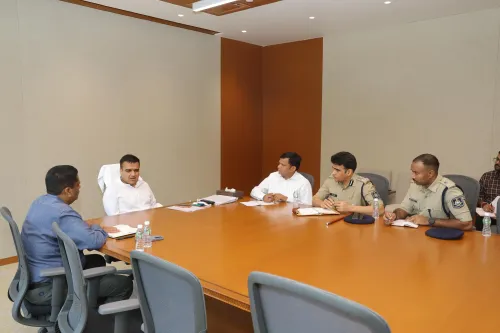
With the April 28 session set to proceed as scheduled, security agencies are expected to deploy additional personnel across all entry points of the Old Secretariat complex. The Assembly Secretariat's new media guidelines will remain in force until further notice. Speaker Vijender Gupta's communication to the Delhi Police Commissioner is expected to result in a formal security review, with recommendations possibly tabled before the House in the coming weeks.
Point of View
An IED hoax, and a man who drove from UP, rammed the gates, and vanished — represent a systemic failure, not a series of coincidences. The fact that each threat is being treated as a standalone hoax rather than part of a coordinated intimidation campaign is exactly the kind of institutional complacency that emboldens bad actors. Restricting media in corridors is a band-aid; what Delhi's legislature needs is a complete security architecture overhaul. Until that happens, the world's largest democracy has a glaring vulnerability at one of its most symbolic addresses.
NationPress
19 Sept 2026
Frequently Asked Questions
When does the Delhi Assembly session start in April 2025?
The fifth session of the eighth Delhi Legislative Assembly is scheduled to begin on Tuesday, April 28, 2025, at 11 a.m. at the Assembly Hall in Old Secretariat, New Delhi. The session proceeds despite recent bomb threats and security incidents at the complex.
What bomb threats were received by the Delhi Assembly?
The Delhi Assembly received a hoax bomb threat email on April 13 and another on March 25 , the latter claiming 16 RDX-based IEDs were planted inside the premises with a detonation time of 1:40 p.m. Both threats were investigated and found to be hoaxes.
Who is Sarabjit Singh and what did he do at the Delhi Assembly?
Sarabjit Singh is a man who rammed his car through the high-security boundary gates of the Delhi Assembly complex on April 6 and escaped without being stopped. He had driven from Pilibhit, Uttar Pradesh , via Chandigarh to Delhi.
What are the new media rules for the Delhi Assembly session?
Media persons have been barred from interviewing MLAs and Ministers inside the corridors of the Assembly building. All press interactions must now take place in the open forecourt area outside the Assembly building, as per new guidelines from the Assembly Secretariat.
What action did Delhi Assembly Speaker Vijender Gupta take on bomb threats?
Speaker Vijender Gupta wrote formally to Delhi Police Commissioner Satish Golcha after the April 13 bomb threat email, urging a permanent solution to the recurring threats. The letter followed at least two major threat incidents within a month.