Delhi CM Rekha Gupta Reviews Heat Wave Action Plan 2026 at Thermal Hotspots
Synopsis
Delhi CM Rekha Gupta has launched the most data-driven heatwave response in the capital's history — using satellite mapping to identify thermal hotspots where temperatures have touched 46.8°C. With peak power demand set to cross 9,000 MW and 40+ consecutive days of 40°C heat, Delhi's Heat Wave Action Plan 2026 is a race against a climate emergency.
Key Takeaways
CM Rekha Gupta activated the Heat Wave Action Plan 2026 on April 26, 2025 , directing all departments to implement ground-level measures immediately.
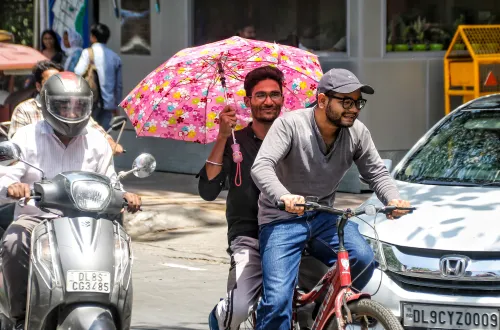
Delhi has recorded temperatures above 40°C for nearly 40 consecutive days over the past 2-3 years; Safdarjung hit 46.8°C in 2023 .
Satellite data has been used for the first time to map thermal hotspots across all 13 districts of Delhi.
Over 339 health centres and 30 hospitals with dedicated 5-bed cool rooms are on heatwave alert; helplines 1077, 1070, and 112 are operational 24x7.
Outdoor construction work may be banned between 12 noon and 3 PM during severe heatwave days; ORS will be given to school children before departure.
Delhi's peak power demand is projected to cross 9,000 MW this summer, surpassing last year's record of 8,442 MW .
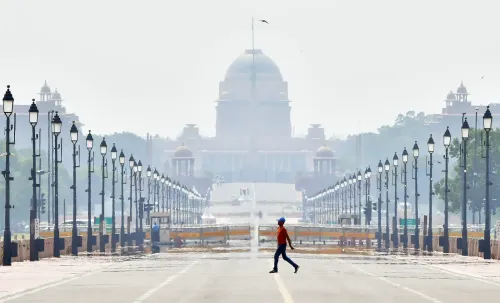
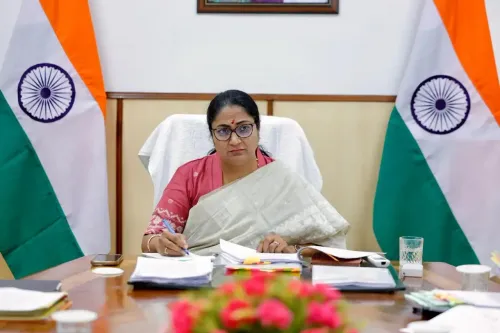
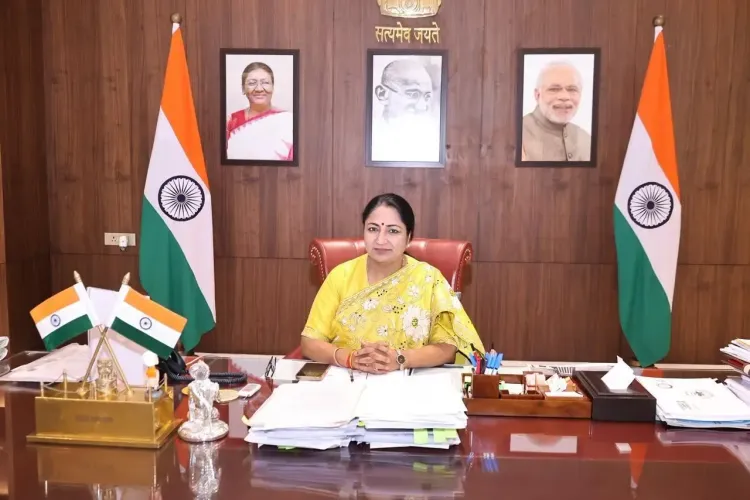
New Delhi, April 27, 2025 — Delhi Chief Minister Rekha Gupta on Sunday, April 26, chaired a comprehensive review of the city's Heat Wave Action Plan 2026, directing all departments to enforce ground-level measures immediately — particularly at scientifically mapped thermal hotspots across the capital. With Delhi recording temperatures above 40 degrees Celsius for nearly 40 consecutive days over the past two to three years, officials say this year's response is the most data-driven and robust in the city's history.
Scientific Assessment Using Satellite Data
For the first time, the Delhi government has deployed satellite data to conduct a city-wide thermal risk assessment, identifying high-risk zones with precision. This marks a significant departure from previous years, when heatwave responses were largely reactive rather than preventive.
Ayanagar in South Delhi has previously recorded a peak temperature of 45.5 degrees Celsius, making it one of the most vulnerable zones. Najafgarh recorded 43.7 degrees Celsius in 2025, while Safdarjung hit a staggering 46.8 degrees Celsius in 2023 — one of the highest ever recorded in the capital.
Emerging thermal hotspots identified include Wazirpur, Jahangirpuri, Khayala, Shastri Park, Vishwas Nagar, Harkesh Nagar, Hari Nagar, and Delhi Gate. Densely populated fringe localities such as Sawda, Mubarakpur Dabas, Bhalswa, Nand Nagri, Gokulpuri, and Bakkarwala are experiencing intensified urban heat island effects — a phenomenon where built-up areas trap and amplify heat far beyond surrounding regions.
Protection Measures for Vulnerable Groups
CM Gupta placed special emphasis on shielding the city's most at-risk populations — school children, construction workers, stray animals, and birds. The plan mandates that ORS (Oral Rehydration Solution) be administered to school children before they leave campus during peak heat days to prevent dehydration during their commute.
For construction workers, outdoor work may be suspended between 12 noon and 3 p.m. during severe heatwave conditions. Workers will be provided drinking water, caps, and Gamcha coverings, along with first-aid kits and ice packs at worksites.
The Delhi Development Authority (DDA), Education Department, and Delhi Jal Board (DJB) have been directed to install water containers for birds and dedicated water points for stray animals across parks, bus depots, and school campuses.
Infrastructure and Emergency Response
The Health Department has placed more than 339 health centres across all 13 districts on high alert. Over 30 hospitals have established dedicated five-bed 'cool rooms' specifically for heatwave patients. Citizens can access emergency assistance through 24x7 helplines — 1077, 1070, or 112.
A total of 39 Quick Response Teams (QRTs) and trained ASHA workers are on standby across the city. Increased ORS stock, additional water tankers, and cold drinking water arrangements are being set up at busy public locations including bus stops and terminals.
To cool urban spaces, high-pressure misting systems will be installed at bus stops, and anti-smog guns will be deployed to bring down temperatures in densely built-up areas. Notably, reflective cool-roof coating has already been applied over 28,674 square feet at the Kashmere Gate ISBT, reducing indoor temperatures — a pilot for the upcoming Cool Roof Policy 2026.
Power Supply and Peak Demand Concerns
Delhi's peak power demand this summer is projected to exceed 9,000 MW — significantly higher than last year's record demand of 8,442 MW. CM Gupta issued strict directives to power distribution companies, warning that supply cuts will not be tolerated under any circumstances.
This comes amid growing concerns that urban heat stress and power demand form a dangerous feedback loop — higher temperatures drive air-conditioning usage, which in turn strains the grid, leading to outages that further endanger vulnerable residents unable to cope with the heat.
Broader Context and What's at Stake
Delhi's escalating heat crisis is not an isolated phenomenon. Across India, 2023 and 2024 were among the hottest years on record, with the India Meteorological Department (IMD) warning of longer, more intense heatwave seasons driven by climate change. Critically, urban centres like Delhi — with their dense concrete infrastructure, limited green cover, and high vehicular emissions — are disproportionately affected by the urban heat island effect.
The Heat Wave Action Plan 2026 represents a policy shift toward proactive, science-led urban heat management. Whether its implementation matches its ambition will be closely watched, especially given that past heatwave deaths in India are widely believed to be undercounted, with studies suggesting actual mortality figures could be several times higher than official records.
As summer intensifies through May and June 2025, the effectiveness of Delhi's ground-level response — from QRTs to cool rooms to misting systems — will serve as a critical test of the city's climate resilience infrastructure and the Rekha Gupta government's administrative capacity.
Point of View
Cool roofs, and QRTs represent a genuine policy upgrade. But the real test is implementation: India has a long history of well-designed disaster plans that collapse at the last mile. The projection of 9,000 MW peak demand against a grid that struggled at 8,442 MW last year is a ticking clock. More critically, as heatwave mortality data across Indian cities remains chronically undercounted, the political urgency to act must outlast the press conference.
NationPress
19 Sept 2026
Frequently Asked Questions
What is Delhi's Heat Wave Action Plan 2026?
The Heat Wave Action Plan 2026 is Delhi's comprehensive government strategy to combat extreme summer temperatures, including satellite-mapped thermal hotspots, Quick Response Teams, cool rooms in hospitals, misting systems at bus stops, and protection measures for school children, construction workers, and animals. It was reviewed and activated by CM Rekha Gupta on April 26, 2025.
Which areas in Delhi are the worst thermal hotspots in 2025?
Delhi's most extreme thermal hotspots include Ayanagar (45.5°C peak), Safdarjung (46.8°C in 2023), and Najafgarh (43.7°C in 2025). Emerging hotspots include Wazirpur, Jahangirpuri, Khayala, and Shastri Park, while fringe areas like Bhalswa, Nand Nagri, and Gokulpuri face severe urban heat island effects.
How is Delhi protecting construction workers during the heatwave?
Delhi may halt outdoor construction work between 12 noon and 3 PM during severe heatwave conditions. Workers will be provided drinking water, caps, Gamcha sun coverings, first-aid kits, and ice packs at worksites to prevent heat-related illness.
What is Delhi's Cool Roof Policy 2026?
Delhi's Cool Roof Policy 2026 involves applying reflective coatings on rooftops to reduce indoor temperatures. A pilot covering 28,674 square feet has already been implemented at the Kashmere Gate ISBT, with plans to expand the initiative city-wide.
What is Delhi's expected peak power demand this summer?
Delhi's peak power demand is projected to exceed 9,000 MW this summer, significantly higher than last year's record of 8,442 MW. CM Rekha Gupta has warned power distribution companies that supply cuts will not be tolerated during the season.