Delhi court rejects bail plea of NEET-UG 2026 accused Manisha Waghmare
Synopsis
A Delhi court has refused bail to Manisha Waghmare, a Pune-based consultant the CBI alleges was a key intermediary in the NEET-UG 2026 paper leak — reportedly helping funnel students into coaching sessions where leaked questions were dictated. With the re-examination set for 21 June and a Supreme Court hearing on NTA reforms due in July, the case is far from over.
Key Takeaways
Rouse Avenue Court in Delhi rejected the bail plea of Manisha Waghmare on 9 June in the NEET-UG 2026 paper leak case .
The CBI alleges Waghmare acted as an intermediary, mobilising students for coaching sessions where leaked questions were reportedly dictated in exchange for money.
Defence argued a ₹3.5 lakh bank credit came from an ancestral property gift deed, not illegal activity, and that two CBI searches yielded no incriminating material.
Chemistry professor P.V.
Kulkarni has been identified by the CBI as the alleged kingpin; Manisha Gurunath Mandhare is suspected as co-mastermind of the Biology paper leak.
The NEET-UG 2026 re-examination is scheduled for 21 June in pen-and-paper format; admit cards expected by 14 June .
The Supreme Court has posted NTA reform pleas for hearing in July .
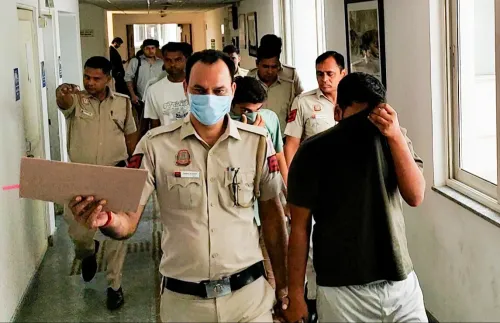
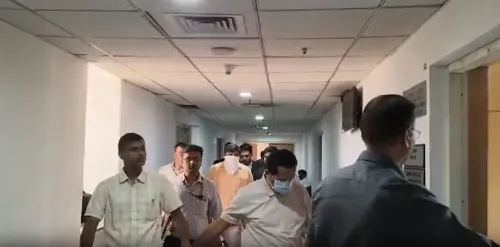
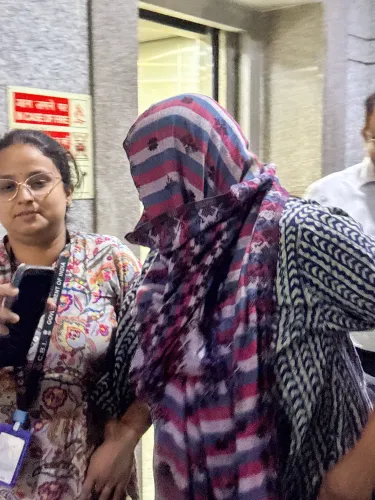
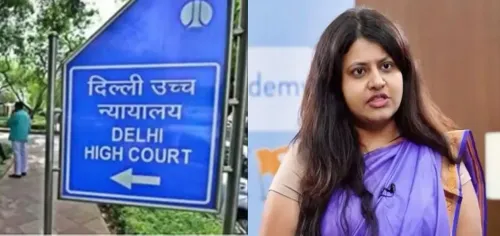
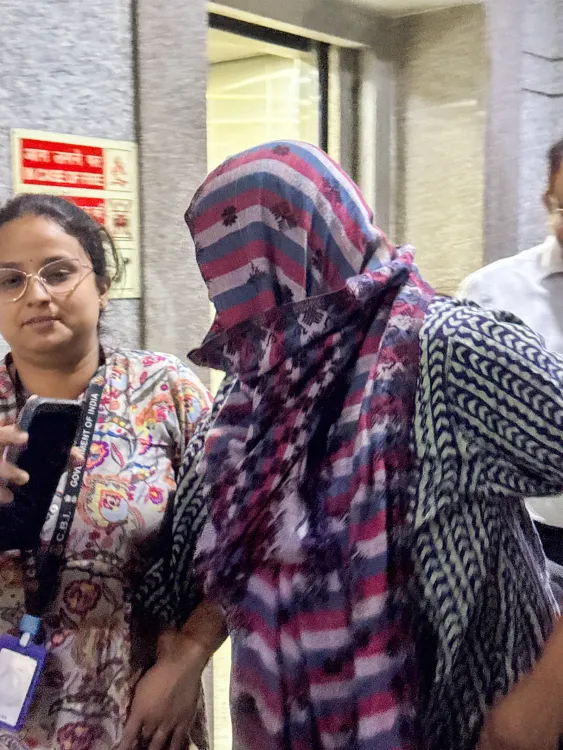
A Delhi court on Tuesday, 9 June rejected the bail application of Manisha Waghmare, one of the accused in the NEET-UG 2026 paper leak case being probed by the Central Bureau of Investigation (CBI). The order was passed by the Rouse Avenue Court after hearing arguments from both sides.
What the Defence Argued
Waghmare's counsel contended that she is a certified education counsellor with a regular income from counselling services. The defence maintained that a sum of approximately ₹3.5 lakh credited to her bank account had originated from a gift deed executed in connection with ancestral property — not from any illegal transaction, as alleged by the CBI.
The defence further pointed out that the CBI had conducted searches at her residence on two separate occasions without recovering any cash or material evidence directly linking her to the alleged offence.
What the CBI Claimed
The CBI countered that Waghmare was not merely an education consultant but also operated a beauty parlour, and that she had played an active role in circulating leaked examination questions. The agency relied on statements from candidates who allegedly told investigators that they had paid her for access to leaked questions ahead of the examination.
According to the CBI, the Pune-based consultant served as an intermediary who mobilised students for special coaching sessions where questions that subsequently appeared in the NEET-UG 2026 paper were reportedly dictated and discussed. These sessions were allegedly conducted by Manisha Gurunath Mandhare, an NTA-appointed senior Botany teacher suspected to be a co-mastermind behind the Biology paper leak.
The CBI has separately identified Chemistry professor P.V. Kulkarni as the alleged kingpin of the broader paper leak network.
Background of the Case
The CBI registered an FIR on 12 May on the basis of a complaint filed by the Department of Higher Education under the Union Ministry of Education, following widespread allegations that the NEET-UG 2026 question paper had been compromised. The original examination was subsequently cancelled on the same date.
This comes amid a larger pattern of examination integrity controversies that have repeatedly put the National Testing Agency (NTA) under scrutiny. The NEET-UG 2026 case marks at least the second major NTA-linked leak controversy in successive years, intensifying calls for systemic reform in how high-stakes national entrance tests are administered.
Re-Examination and Supreme Court Observations
The NTA is scheduled to conduct the NEET-UG 2026 re-examination on 21 June, with admit cards expected to be issued by 14 June. The re-test will proceed in the existing pen-and-paper format after the Supreme Court declined to direct the NTA to shift to a computer-based test (CBT) mode.
A bench of Justices P.S. Narasimha and Aravind Kumar observed that such a direction could not be granted at that stage, given that authorities were already engaged in conducting the fresh examination. The matter has been posted for hearing in July, alongside other petitions seeking structural reforms in the NTA's functioning.
Point of View
Teacher, professor — that allegedly monetised access to a national entrance examination. What the court proceedings have surfaced so far is a pattern familiar from past examination fraud cases: intermediaries insulated by plausible cover stories. The real accountability question, however, lies upstream: how a question paper administered by a government-backed agency reached coaching sessions before the examination date. That systemic failure is what the Supreme Court's July hearing must interrogate — not just the individuals caught in the net.
NationPress
22 Sept 2026
Frequently Asked Questions
Why was Manisha Waghmare's bail rejected by the Delhi court?
The Rouse Avenue Court rejected her bail on 9 June after the CBI argued she was an active intermediary who circulated leaked NEET-UG 2026 questions to students in exchange for money. The court weighed rival submissions from both sides before dismissing the application.
What is Manisha Waghmare's alleged role in the NEET-UG 2026 paper leak?
According to the CBI, Waghmare — a Pune-based education consultant — mobilised students for special coaching sessions where questions that later appeared in the NEET-UG 2026 paper were dictated. The agency alleges she received payments from candidates seeking access to the leaked material.
Who are the other key accused in the NEET-UG 2026 paper leak case?
The CBI has identified Chemistry professor P.V. Kulkarni as the alleged kingpin of the leak network. NTA-appointed senior Botany teacher Manisha Gurunath Mandhare is suspected to be the co-mastermind behind the Biology paper leak.
When is the NEET-UG 2026 re-examination scheduled?
The re-examination is scheduled for 21 June 2026, with admit cards expected to be issued by 14 June. It will be held in the existing pen-and-paper format after the Supreme Court declined to mandate a shift to computer-based testing.
What has the Supreme Court said about the NEET-UG 2026 case?
A Supreme Court bench of Justices P.S. Narasimha and Aravind Kumar declined to direct the NTA to conduct the re-examination in CBT mode, noting that authorities were already preparing for the fresh test. Broader pleas seeking NTA reforms have been posted for hearing in July.