Odisha CM skips Diwali at residence after Cyclone Arnab floods
Synopsis
The Chief Minister's Office of Odisha has cancelled Diwali celebrations at the CM's residence and appealed to citizens to bring no gifts, citing the severe flooding unleashed by Cyclone Arnab across southern Odisha. The CM has called on people to support disaster-affected communities instead.
Key Takeaways
The Chief Minister's Office of Odisha announced on November 7, 2026 that no Diwali celebrations will be held at the CM's official residence this year.
The decision is in direct response to post-cyclone flooding caused by Cyclone Arnab , which severely affected southern Odisha .
The CMO has requested that well-wishers and citizens bring no gifts or flower bouquets to the CM's residence during the Diwali period.
The Chief Minister has appealed to the public to show empathy toward flood-affected communities and extend a 'helping hand' to disaster victims.
The move follows an established pattern in Odisha of redirecting state attention from ceremonial events to relief operations during major natural disasters.
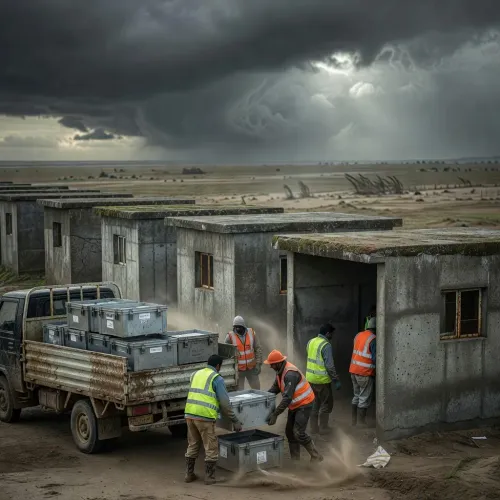
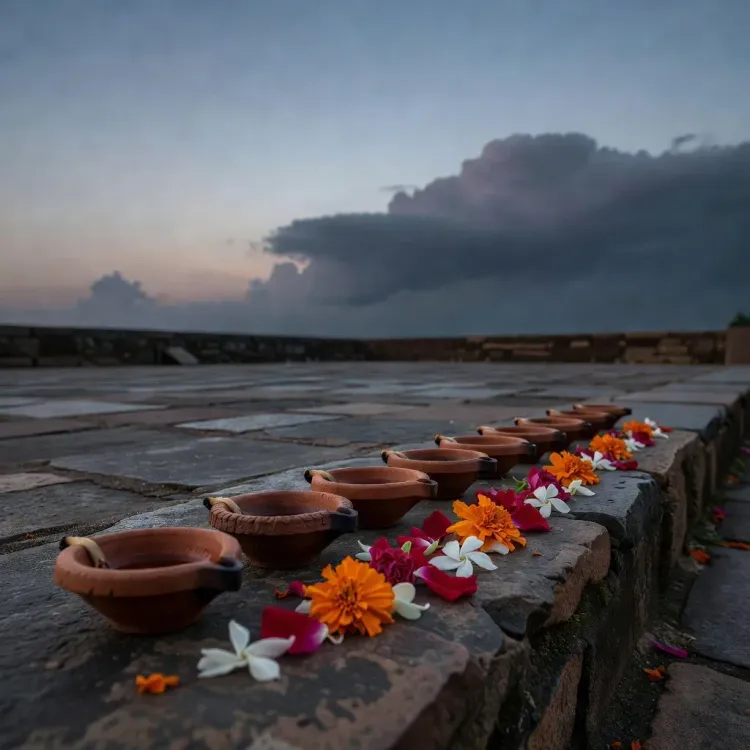
In a gesture of solidarity with thousands displaced by post-cyclone flooding, the Chief Minister's Office of Odisha announced on Saturday, November 7, 2026 that no Diwali celebrations will be held at the Chief Minister's official residence this year — a deliberate signal that the festival season yields to the relief season across southern Odisha.
The post, written in Odia, states plainly: 'ଦୀପାବଳୀ ଉତ୍ସବ ପାଳିତ ହେବ ନାହିଁ' — 'the Diwali festival will not be celebrated' at the Chief Minister's residence. The CMO also made a pointed public request: well-wishers and citizens should bring no gifts or flower bouquets to the residence on the occasion of Diwali.
Cyclone Arnab's aftermath leaves southern Odisha reeling
The trigger is the flooding that followed Cyclone Arnab — a Bay of Bengal weather system whose landfall and inland advance inundated parts of southern Odisha, disrupting livelihoods and displacing communities across multiple districts. While official damage assessments are ongoing, the CMO's statement frames the humanitarian situation as severe enough to warrant cancelling ceremonial functions at the highest level of state government.
Odisha sits in one of the most cyclone-prone corridors in Asia. The Bay of Bengal's warm waters routinely generate intense low-pressure systems that make landfall along the state's roughly 480-kilometre coastline, with southern districts historically absorbing the heaviest rainfall-induced flooding after a cyclone weakens over land.
CM's call: redirect goodwill toward the affected
Beyond cancelling the official celebration, the Chief Minister has issued a broader public appeal — asking citizens to channel their goodwill toward disaster-affected people rather than symbolic gestures at the CM's residence. The CMO post invokes the word 'ସମ୍ବେଦନଶୀଳ' — 'sensitive' or 'empathetic' — describing the posture the state expects of its people and its own machinery in this period.
The decision follows a pattern well-established in Odisha's governance history: when a major natural disaster strikes close to a festival or public event, state authorities have consistently chosen to visibly redirect attention and resources toward relief rather than continue with ceremonial programming. That institutional reflex, sharpened after several devastating cyclones over the past three decades, now appears to operate at the level of the CM's office itself.
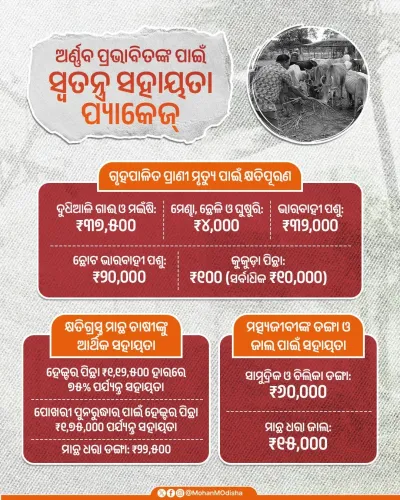
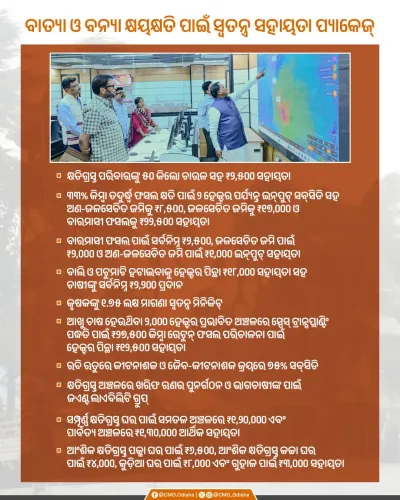
What the state does next — relief disbursements, district-level compensation packages, rehabilitation timelines — will be the real measure of that solidarity. The darkened Chief Minister's residence on Diwali night is a signal. The rescue camps and compensation cheques are the proof.
Point of View
The Odisha government is deploying a well-tested piece of political optics — using symbolic restraint to signal administrative seriousness during a humanitarian crisis. This is consistent with Odisha's decades-long institutional evolution into one of India's more practiced states in disaster optics and logistics. The gesture, however, also creates a governance expectation: citizens and opposition alike will watch whether the cancellation is matched by substantive relief action on the ground in southern Odisha's flood-hit districts. In an era when symbolic gestures can outpace actual delivery, the CMO's post sets a standard that the administration will now be held to.
NationPress
7 Nov 2026
Frequently Asked Questions
Why is Diwali not being celebrated at the Odisha CM's residence in 2026?
The Chief Minister's Office of Odisha announced that Diwali will not be celebrated at the CM's residence because of the severe flooding in southern Odisha following Cyclone Arnab, as a mark of solidarity with disaster-affected residents.
What is Cyclone Arnab and how did it affect Odisha?
Cyclone Arnab was a Bay of Bengal weather system whose aftermath caused widespread flooding, particularly in southern Odisha, displacing communities and prompting state-level disaster response measures.
What has the Odisha Chief Minister asked citizens to do during Diwali?
The Chief Minister has requested that well-wishers bring no gifts or flower bouquets to the CM's residence, and has appealed to citizens to instead extend support and assistance to communities affected by the floods.
Which parts of Odisha were hit by flooding after Cyclone Arnab?
Southern Odisha was specifically identified by the CMO as the worst-affected region, with the post noting the disaster spread across various parts of the state.
Has Odisha cancelled official events during disasters before?
Yes. Odisha has an established pattern of cancelling or scaling down official and ceremonial events when major cyclones or floods strike, redirecting administrative attention and resources toward relief and rehabilitation.