Delhi HC Chief Justice's virtual hearing hacked, obscene content displayed
Synopsis
An unidentified intruder allegedly hijacked the Delhi High Court Chief Justice's Bench virtual hearing on 29 April, displaying obscene content and playing disturbing music — forcing repeated shutdowns. With a Cyber Cell complaint now filed, the episode raises urgent questions about the security of India's rapidly expanding e-Courts infrastructure.
Key Takeaways
The Delhi High Court Chief Justice's Bench virtual hearing was disrupted multiple times on 29 April 2025 by allegedly obscene content.
An unidentified participant reportedly gained unauthorised access, shared explicit material, and played disturbing music.
An automated voice message reportedly declared "You have been hacked" during one interruption.
The Delhi High Court administration has lodged a formal complaint with the Cyber Cell of Delhi Police .
In September 2024 , the Supreme Court's YouTube channel was similarly hacked and used to broadcast cryptocurrency videos.
India's judiciary has rapidly expanded virtual hearings under the e-Courts project , raising the stakes for digital security.
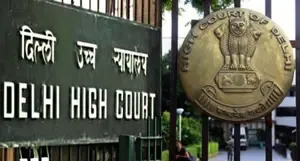
The Delhi High Court's video conferencing proceedings before the Chief Justice's Bench were repeatedly disrupted on Wednesday, 29 April after unidentified participants allegedly displayed obscene and pornographic content on screen during live virtual hearings. The court administration was forced to suspend and restart the session multiple times, and a formal complaint has since been lodged with the Cyber Cell of Delhi Police.
What Happened During the Hearing
According to reports, the disruption occurred multiple times when an unidentified participant allegedly gained unauthorised access to the video conferencing platform. The intruder reportedly shared explicit content and played disturbing music, compelling the court to shut down the session after the first incident.
Upon resumption, the same participant allegedly returned, again disturbing proceedings with music. During one interruption, an automated voice announcement was reportedly heard stating:
Point of View
But Wednesday's breach exposes a gap between adoption speed and cybersecurity readiness. The Supreme Court's own YouTube channel was compromised just months ago; the fact that a similar breach could disrupt the Chief Justice's Bench proceedings suggests the lessons were not institutionalised. India's courts now need a dedicated judicial cybersecurity protocol — not just Cyber Cell complaints after the fact.
NationPress
19 Sept 2026
Frequently Asked Questions
What happened during the Delhi High Court virtual hearing on 29 April 2025?
An unidentified participant allegedly gained unauthorised access to the Delhi High Court's video conferencing platform during the Chief Justice's Bench hearing, displaying obscene and pornographic content and playing disturbing music. The session was suspended and restarted multiple times as a result.
Has the Delhi High Court filed a complaint about the cyberattack?
Yes, the Delhi High Court administration has reportedly lodged a formal complaint with the Cyber Cell of Delhi Police, seeking an investigation into the breach and action against those responsible.
Was the Delhi High Court system actually hacked?
It is not yet confirmed. An automated voice reportedly announced 'You have been hacked' during the disruption, but the extent of any actual cybersecurity compromise is under investigation by the Cyber Cell of Delhi Police.
Has something similar happened to Indian courts before?
Yes. In September 2024, the Supreme Court's YouTube channel was allegedly hacked and renamed 'Ripple', with unauthorised cryptocurrency-related videos streamed before corrective action was taken.
Why are Indian courts using virtual hearings?
India's higher judiciary expanded digital and virtual hearing systems significantly under the e-Courts project, with adoption accelerating after the Covid-19 pandemic. The Supreme Court's landmark Swapnil Tripathi judgment endorsed live-streaming of proceedings to improve transparency and public access to justice.