Did Our 22-Minute Strike Disrupt Pakistan's Decision-Making?
Synopsis
General Upendra Dwivedi discusses the pivotal moments of Operation Sindoor, highlighting a decisive 22-minute strike that disrupted Pakistan's response and showcasing India's military readiness against cross-border terrorism.
Key Takeaways
Two pivotal moments defined Operation Sindoor.
The 22-minute strike disrupted Pakistan's decision-making.
India's response to Pahalgam attack showcased military readiness.
Operation Sindoor led to the destruction of over 100 terrorists.
The operation highlighted the significance of tri-services synergy .
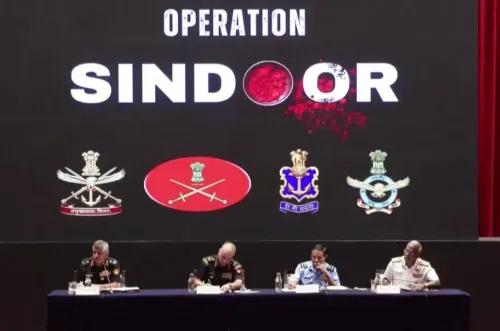
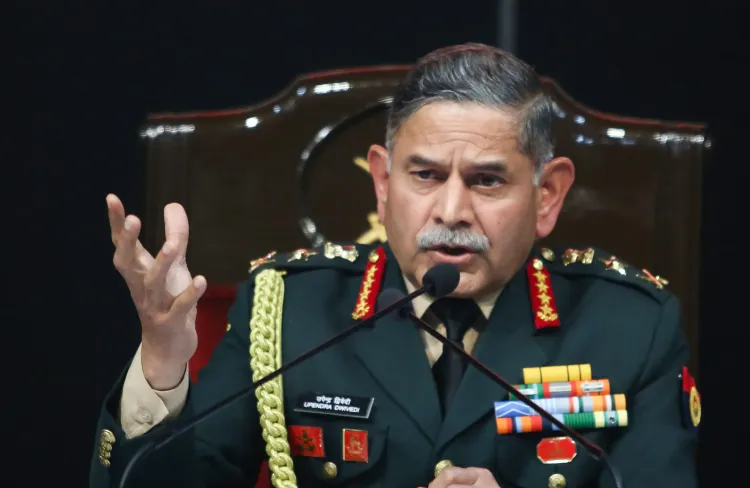
New Delhi, Jan 13 (NationPress) Indian Army Chief General Upendra Dwivedi stated on Tuesday that there were two significant moments during Operation Sindoor, with the first being the impactful 22-minute strike on terror targets, which disrupted Pakistan's decision-making process.
At the Indian Army's annual press conference, Gen Dwivedi remarked, "The first pivotal moment was the 22-minute strike on terrorist positions, which derailed the opposing side's decision-making, causing them to take time to comprehend the situation. This resulted in confusion on their part, leading to poorly managed responses that we met with our calibrated actions."
"The second key moment came on the morning of May 10, when directives were issued to the tri-services regarding actions to take if the conflict escalated. They were well-informed, hence they reached out to our DGMO. The Pakistani forces had comprehensive satellite information regarding troop movements, strikes, and military assets. Once they connected the dots, they understood it was time to halt the ongoing conflict," he added.
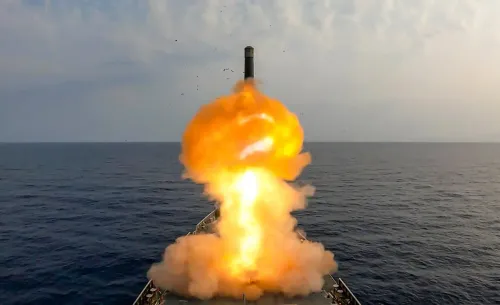
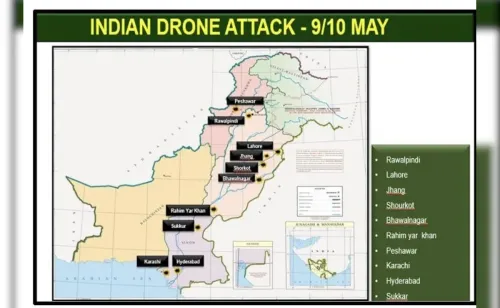
In retaliation to the heinous Pahalgam terror attack, India initiated Operation Sindoor on May 7, targeting multiple high-value terrorist camps in Pakistan and Pakistan-occupied Kashmir (PoK), resulting in the elimination of over 100 terrorists. Pakistan responded with drone and missile attacks, which were effectively intercepted by the Indian Armed Forces. In retaliation, India successfully incapacitated several airfields in Pakistan.
Following a request from Pakistan on May 10, the Indian Armed Forces ceased military operations.
Gen Dwivedi emphasized that Operation Sindoor showcased India's readiness, precision, and strategic clarity.
He pointed out that India's firm response to the Pahalgam terror attack exemplified the global reality that "nations that remain prepared, prevail."
"Last year, there was a noticeable rise in armed conflicts globally. These shifts highlight a straightforward truth -- nations that are prepared tend to prevail. In this context, Operation Sindoor, our measured response to cross-border terrorism, displayed our readiness, precision, and strategic clarity," he stated.
Regarding the Western Front, Gen Dwivedi recalled India's decisive response to the Pahalgam terror attack, asserting that a "clear decision to respond decisively was made at the highest level."
"Operation Sindoor was planned and executed with precision. In just 22 minutes on May 7, followed by an orchestration lasting 88 hours until May 10, the operation reset strategic assumptions by striking deep, dismantling terror infrastructure, and challenging the longstanding nuclear rhetoric," he noted.
"The Army effectively neutralized seven out of nine targets and subsequently played a crucial role in ensuring a calibrated response to Pakistan's actions," he concluded.
The Army chief reiterated that "Operation Sindoor is ongoing, and any future misadventure will be met with a resolute response."
He acknowledged the "proactive role" of various stakeholders at the national level, including CAPFs, intelligence agencies, civic bodies, state administration, and other ministries such as MHA, MEITY, and Railways.
"Operation Sindoor serves as the finest example of tri-services synergy under clear political directives and complete freedom to act or respond," he added.
Point of View
It is imperative to recognize the strategic implications of General Dwivedi's statements regarding Operation Sindoor. This operation underscores India's commitment to national security and its readiness to confront cross-border terrorism. The actions taken during this operation exemplify a decisive response to threats and reflect the necessity for nations to maintain preparedness in a volatile global landscape.
NationPress
30 Sept 2026
Frequently Asked Questions
What was the main objective of Operation Sindoor?
The primary objective of Operation Sindoor was to target high-value terror camps in Pakistan and Pakistan-occupied Kashmir in response to the Pahalgam terror attack, ultimately aiming to dismantle terrorist infrastructure.
How did the 22-minute strike affect Pakistan's military strategy?
The 22-minute strike disrupted Pakistan's decision-making process, causing confusion and delayed responses to India's military actions.
What was India's response to Pakistan's actions during the operation?
India retaliated to Pakistan's drone and missile attacks by successfully intercepting them and also incapacitating several Pakistani airfields.
What does General Dwivedi say about future military actions?
General Dwivedi emphasized that Operation Sindoor remains ongoing and any future misadventure by Pakistan will be met with a resolute response from India.
What does Operation Sindoor signify about India's military preparedness?
Operation Sindoor signifies India's strategic clarity, readiness, and precision in responding to cross-border terrorism, highlighting the importance of being prepared in an unstable global environment.