ED probes $35 million crypto scam in Bengaluru, seizes 8,700 USDT
Synopsis
What began as a USD 10 million FIR has ballooned into a USD 35 million crypto fraud probe — with the ED revealing that foreign victims extend well beyond the single Dutch complainant. Three accused allegedly posed as crypto industry insiders, used Telegram and in-person trust-building to extract multi-million-dollar investments, then vanished with the tokens. A Bengaluru-based individual is identified as the alleged mastermind.
Key Takeaways
The ED Bengaluru Zonal Office has launched a PMLA investigation into an alleged USD 35 million OTC cryptocurrency scam.
Search operations on 18–19 July led to the seizure of digital devices, crypto wallets, and 8,700 USDT .
The fraud value is more than three times the USD 10 million figure in the original FIR.
Accused — Mohammed Waseem , Saurabh Diwan , and Vaibhav Gupta — allegedly promised discounted tokens including MultiverseX, Kava, BEAM, GRASS, SUI, VANA , and AGLD .
Ravindra K , a Bengaluru-based individual, has been identified as the alleged mastermind behind the OTC deals.
The case originated from a complaint by a Dutch entity filed with the Cyber Crime Police Station, South Andaman ; further foreign victims are suspected.
The Directorate of Enforcement (ED), Bengaluru Zonal Office, has launched a formal investigation under the Prevention of Money Laundering Act (PMLA), 2002, into an alleged multi-million-dollar cryptocurrency scam centred on over-the-counter (OTC) trades in Virtual Digital Assets (VDAs). Search operations conducted on 18 and 19 July at multiple locations resulted in the seizure of digital devices, email accounts, crypto wallets, and virtual digital assets worth 8,700 USDT (Tether) — a stablecoin pegged to approximately USD 1 per token.
Scale of the Fraud
The ED has revealed that the total estimated value of the scam stands at approximately USD 35 million — significantly higher than the USD 10 million cited in the original First Information Report (FIR). The agency has also indicated that several foreign entities and investors may have been similarly defrauded, though many have yet to file formal complaints. This widening of the alleged fraud value signals that the case extends well beyond its initial scope.
How the Accused Operated
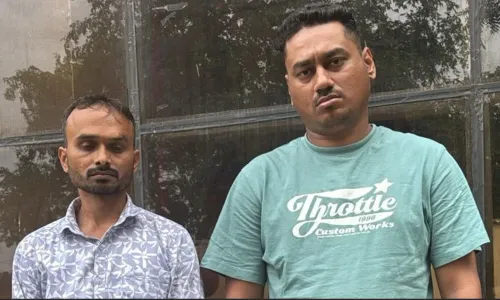
Three individuals — Mohammed Waseem, Saurabh Diwan, and Vaibhav Gupta — allegedly lured foreign investors by promising heavily discounted allocations of cryptocurrency tokens, including MultiverseX, Kava, BEAM, GRASS, SUI, VANA, and AGLD. According to investigators, the accused presented themselves as 'Key Opinion Leaders' in the crypto industry and used private Telegram groups, WhatsApp, Instagram, in-person meetings, and websites to project credibility and solicit investments.
Investigators allege the accused initially completed smaller OTC transactions successfully to build trust, before encouraging larger investments. Once multi-million-dollar sums were received, the promised tokens were reportedly never delivered — particularly as market prices surged, making the alleged discounts more lucrative and the non-delivery more damaging.
The Alleged Mastermind
The ED has identified Ravindra K, a Bengaluru-based individual, as the alleged mastermind behind the OTC deals. According to the agency, funds received from investors were routed through cryptocurrency wallets to Ravindra K. The proceeds of crime were allegedly diverted toward personal expenses, business activities, and investments in both movable and immovable properties.
Origins of the Case
The probe originates from an FIR registered by the Cyber Crime Police Station in South Andaman, following a complaint by a Dutch entity that alleged it was cheated in cryptocurrency transactions worth millions of dollars. This cross-border dimension — a European investor defrauded through an India-based network — underscores the increasingly transnational character of crypto-linked financial crime in India. Notably, this case adds to a growing list of PMLA actions by the ED targeting VDA-related fraud, as Indian regulators and law enforcement agencies sharpen their focus on the largely unregulated OTC crypto market.
What Happens Next
The ED has stated that further investigation is underway. Given the agency's findings that additional foreign victims may exist, the probe could expand in scope and geography. Regulatory scrutiny of OTC crypto trading channels in India is expected to intensify in the wake of this case.
Point of View
Often foreign entities navigating informal channels, rarely complain until losses become undeniable. The accused's playbook — small successful trades, 'Key Opinion Leader' branding, private Telegram groups — is a template seen repeatedly in global crypto fraud, yet India's regulatory architecture for OTC VDA trades remains thin. Until the Financial Intelligence Unit and the ED build systematic tripwires for large OTC flows, these schemes will keep scaling before they are caught.
NationPress
20 Oct 2026
Frequently Asked Questions
What is the Bengaluru crypto scam being investigated by the ED?
It is an alleged over-the-counter (OTC) cryptocurrency fraud in which accused individuals reportedly promised foreign investors discounted allocations of crypto tokens but failed to deliver after receiving multi-million-dollar payments. The ED estimates the total fraud at approximately USD 35 million, far exceeding the USD 10 million mentioned in the original FIR.
Who are the accused in the ED crypto scam case?
The ED has named Mohammed Waseem, Saurabh Diwan, and Vaibhav Gupta as accused who allegedly solicited investments from foreign entities. A Bengaluru-based individual identified as Ravindra K is named as the alleged mastermind behind the OTC deals, with funds reportedly routed to him through cryptocurrency wallets.
What was seized during the ED's search operations?
During searches conducted on 18 and 19 July at multiple locations, the ED seized digital devices, email accounts, cryptocurrency wallets, and virtual digital assets worth 8,700 USDT (Tether), a stablecoin pegged to approximately USD 1 per token.
How did the accused allegedly carry out the fraud?
According to investigators, the accused presented themselves as 'Key Opinion Leaders' in the crypto industry and used private Telegram groups, WhatsApp, Instagram, websites, and in-person meetings to gain investor trust. They allegedly completed small OTC transactions initially to appear credible before soliciting larger investments, after which token deliveries reportedly stopped.
What tokens were at the centre of the alleged fraud?
The accused allegedly promised discounted allocations of tokens including MultiverseX, Kava, BEAM, GRASS, SUI, VANA, and AGLD. These are real cryptocurrency projects; the accused reportedly claimed guaranteed access to private or discounted placements in these tokens.