Tesla-SpaceX merger talk grows as China ops pose US security risk
Synopsis
Tesla's Shanghai Gigafactory shipped a record 7,738 vehicles on a single vessel in July 2026, underscoring how deeply Musk's EV empire depends on China — even as SpaceX's Pentagon contracts make that dependency a growing national security flashpoint in Washington.
Key Takeaways
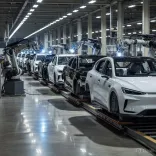
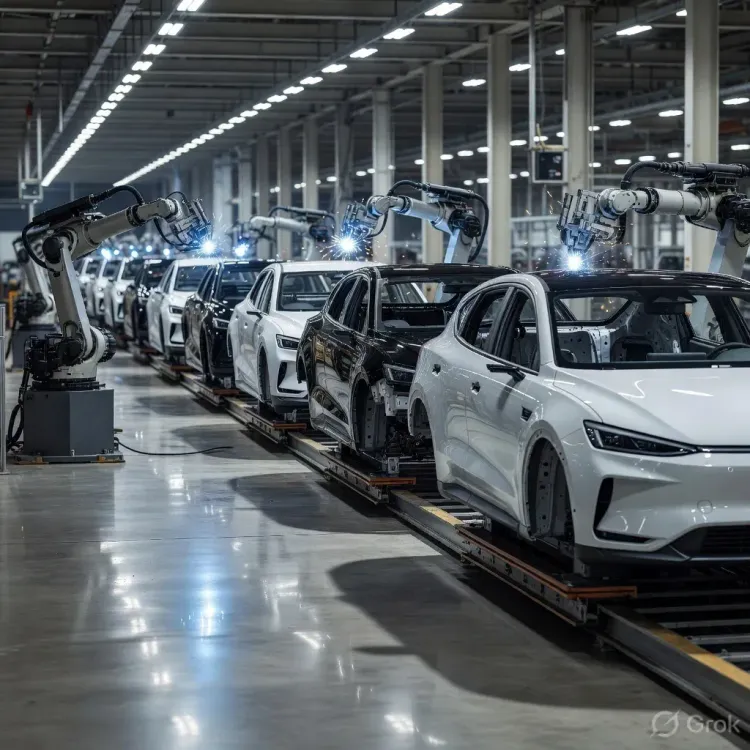
Tesla 's Lingang Gigafactory in Shanghai assembles vehicles in under 40 seconds and can load a finished car onto a ship within one hour .
A single vessel shipped a record 7,738 Teslas from a Chinese port in July 2026 , the highest single-shipment figure ever recorded from China .
The factory delivered 93,579 vehicles in July 2026 , with more than half of annual output exported overseas as of that month.
SpaceX is a core national security contractor for the US Department of Defence , creating a structural conflict with Tesla 's deep China supply chain ties.
Industry observers say satisfying regulators in both Washington and Beijing would require a complicated, ring-fenced corporate strategy for Musk 's China operations.
A formal Tesla - SpaceX merger would almost certainly trigger national security reviews given SpaceX 's defence contracts.
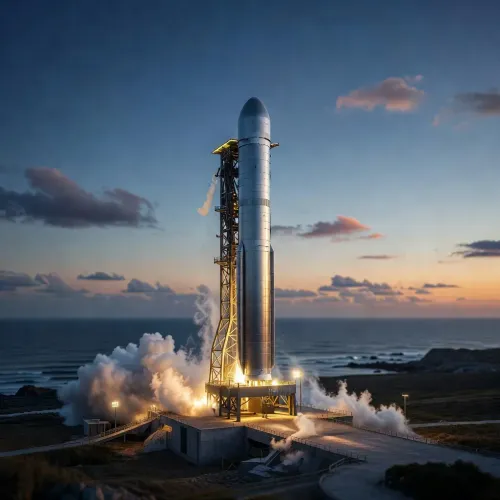
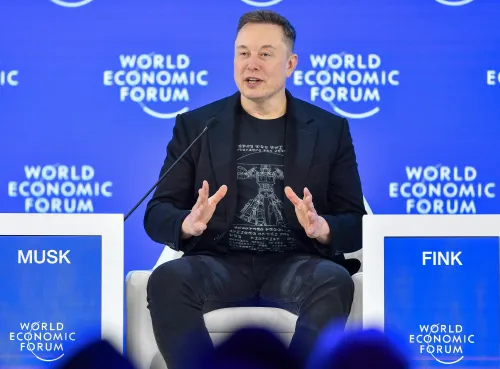
Elon Musk's dual role as chief executive of both Tesla and SpaceX is drawing intensifying scrutiny, as mounting speculation over a potential Tesla-SpaceX merger collides with a stark geopolitical reality: Tesla's most efficient manufacturing base sits deep inside China, while SpaceX serves as a core national security contractor for the US Department of Defence.
The Shanghai Gigafactory at the centre of the storm
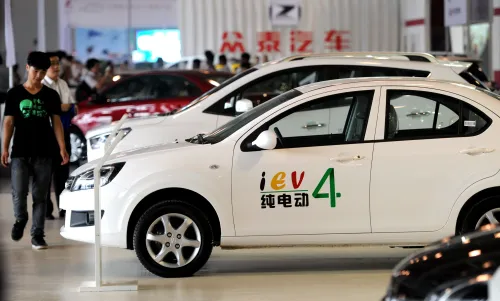
Tesla's Gigafactory in Lingang, a coastal district on the southeastern fringe of Shanghai, is a study in industrial precision. The facility boasts a total assembly time of under 40 seconds per vehicle, and according to the company, a finished car can reach the port and be loaded onto a ship within one hour. In July 2026, a single roll-on/roll-off vessel carried 7,738 Teslas out of Shanghai — an all-time record for a single finished-vehicle shipment from a Chinese port. The factory delivered 93,579 vehicles that month alone, with more than half of all cars produced there exported overseas as of July.Why it matters: the Pentagon contractor problem
The sheer scale of Tesla's China-anchored supply chain creates a structural tension that industry observers say is difficult to resolve. SpaceX — operator of the Starlink satellite internet constellation and developer of launch vehicles used by the Pentagon — sits at the intersection of commercial aerospace and classified national security work. Regulators in both Washington and Beijing have their own conflicting demands, and satisfying both simultaneously would require, according to industry observers, a complicated, ring-fenced strategy for Musk's China operations.The competitive backdrop: Musk's sprawling empire
Musk's business interests now span electric vehicles, autonomous driving, commercial rockets, satellite internet, humanoid robots — including the Optimus platform — artificial intelligence, and brain-computer interfaces. Tesla's reliance on China's supply chain, including relationships with battery giants such as CATL, underpins its ability to fulfil global demand at competitive price points. That dependency, however, is precisely what makes a prospective merger with SpaceX a regulatory minefield in Washington.What's next: a ring-fenced strategy or a forced choice
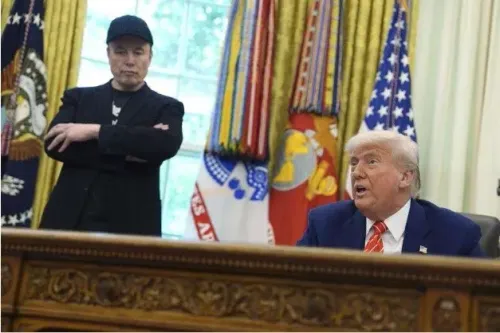
Musk faces a balancing act between the competing interests of the world's two largest economies. Any formal merger between Tesla and SpaceX would almost certainly trigger national security reviews on the US side, given SpaceX's defence contracts, while potentially alarming Beijing over the strategic implications of a combined entity. The question facing investors and policymakers alike is whether Musk can engineer a corporate structure that keeps both governments satisfied — or whether geopolitics will ultimately force a choice between China and the Pentagon.Point of View
At its core, a proxy battle in the broader US-China technology decoupling — and Musk is the most exposed single actor in that conflict. Mainstream coverage tends to frame this as a corporate governance story, but the deeper issue is that Washington's tightening of defence-contractor foreign-exposure rules is on a collision course with Tesla's irreplaceable reliance on Chinese manufacturing scale and battery supply chains anchored by firms like CATL. A ring-fenced structure might satisfy lawyers on both sides temporarily, but it is the kind of arrangement that tends to collapse under real geopolitical pressure — as semiconductor firms discovered after 2022 export controls. The wildcard is Beijing: any merger structure that appears to subordinate Tesla China to a Pentagon-adjacent entity could prompt regulatory retaliation that would dwarf any efficiency gains from consolidation.
NationPress
5 Sept 2026
Frequently Asked Questions
What is the Tesla-SpaceX merger and why is it being discussed?
Talk of a merger between Tesla and SpaceX has been growing as both companies sit under the control of Elon Musk , raising questions about whether a combined entity could unlock synergies across EVs, AI, robotics, and aerospace. The discussion has intensified because such a deal would create one of the most strategically complex corporate structures in history, given SpaceX 's classified defence work and Tesla 's deep manufacturing roots in China .
Why does Tesla's China presence complicate a SpaceX merger?
Tesla 's Shanghai Gigafactory is central to its global supply chain, producing 93,579 vehicles in July 2026 and exporting more than half of its annual output. Merging with SpaceX , a core US Department of Defence contractor, would almost certainly trigger national security reviews in Washington over the combined entity's exposure to China .
What record did Tesla's Shanghai factory set in July 2026?
In July 2026 , a single roll-on/roll-off vessel carried 7,738 Teslas out of Shanghai , marking an all-time record for a single finished-vehicle shipment from a Chinese port. The Lingang Gigafactory delivered 93,579 vehicles that month in total.
How does SpaceX's Pentagon role create a conflict for Elon Musk?
SpaceX is a core national security contractor for the US Department of Defence , operating the Starlink satellite network and providing launch services for classified missions. This status means any deepening of Tesla 's ties to China — or a formal merger — could face intense regulatory scrutiny from Washington on national security grounds.
Who would be most affected if a Tesla-SpaceX merger is blocked by geopolitics?
Tesla shareholders and SpaceX investors would be most directly exposed, but the ripple effects would extend to China -based suppliers like CATL and to the broader EV export ecosystem centred on Shanghai 's Lingang port zone. Industry observers say Musk would need a complicated, ring-fenced strategy to satisfy regulators in both Washington and Beijing simultaneously.