China's NEV supply chain edge may erode within 5 years, says analysis
Synopsis
China's grip on global NEV supply chains — built on critical mineral dominance — may have a shelf life of just three to five years, according to an analysis in The Diplomat. Tesla's battery breakthroughs, high-density production lines, and driverless vehicle lead are converging into a technological challenge Beijing may struggle to match in time.
Key Takeaways
China's geopolitical leverage stems from its dominance in critical mineral inputs for NEV production .
The NEV sector is identified as the only major manufacturing area where China holds a credible global lead.
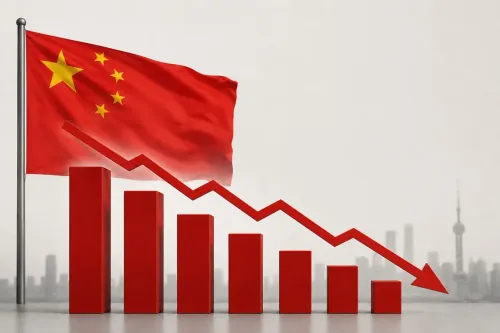
China's supply chain advantage is estimated to erode within three to five years , according to the analysis.
Tesla is cited as a key disruptor through high-density production lines , next-gen battery technology, and a lead in driverless vehicles .
Unless China achieves consistent technological breakthroughs, its window of opportunity is described as remarkably narrow .
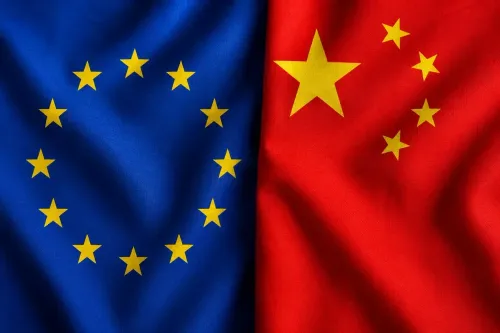
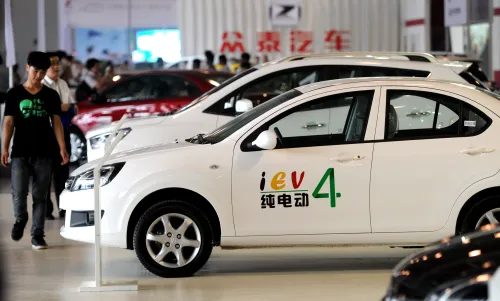
China's dominance in critical minerals and New Energy Vehicle (NEV) supply chains — long used as a geopolitical lever — is likely to be undermined within three to five years as Western technological advancements accelerate, according to an analysis published in The Diplomat. The assessment points to breakthroughs in battery technology, integrated manufacturing, and driverless vehicles as the key forces that could render China's current supply chain strategy obsolete.
China's Current Advantage
China's geopolitical leverage rests primarily on its control over critical mineral inputs essential for NEV production. According to the analysis, the NEV industry is the only major manufacturing sector where China has a genuine prospect of leading and sustaining global competitiveness. Other high-prestige sectors — including semiconductors and robotics — remain significantly behind international standards, the article noted.
This concentration of strength in NEVs has allowed China to position itself as an indispensable node in global supply chains, giving it the capability to disrupt production flows in countries heavily dependent on Chinese-sourced components.
Western Technology Threatening to Shift the Balance
However, the analysis argues that three converging technological trends in Western countries are poised to erode this advantage. First, next-generation battery technologies are seen as a decisive battleground — whoever commands the post-upgrade battery market will likely determine the future shape of the NEV industry.
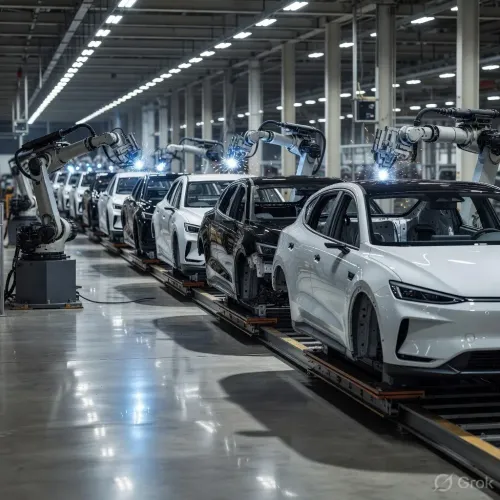
Second, US electric vehicle maker Tesla is deploying high-density production lines that are progressively reducing manufacturing costs, potentially undercutting the relative cost advantage that Chinese manufacturers have historically held. This integrated manufacturing efficiency, the article suggests, could outcompete Chinese NEV production on price — China's most durable edge.
Third, Tesla's lead in driverless vehicle technology is described in the analysis as representing a
Point of View
Led by Tesla, is working to reshuffle the deck. The three-to-five-year window is not a guarantee of Western victory; it is a deadline for Chinese innovation. If Beijing can convert its manufacturing scale into genuine battery and software breakthroughs, the window closes in its favour. If it cannot, the critical minerals leverage that underpins its geopolitical strategy becomes a diminishing asset. India, notably, sits at an intersection here — as a potential alternative supply chain node and a growing NEV market — yet is largely absent from this framing.
NationPress
23 Sept 2026
Frequently Asked Questions
Why is China's NEV supply chain dominance considered a geopolitical tool?
China controls critical mineral inputs essential for NEV production, giving it the ability to disrupt global supply chains and pressure countries dependent on Chinese-sourced components. This leverage has been used to gain geopolitical advantage in trade and technology negotiations.
How soon could China's supply chain advantage erode?
According to the analysis in The Diplomat, China's current advantages within specific segments of the NEV supply chain are likely to erode within three to five years, based on average industrial cycles. The window is described as remarkably narrow unless China achieves consistent technological breakthroughs.
How is Tesla threatening China's NEV dominance?
Tesla is deploying high-density production lines to reduce manufacturing costs, potentially undercutting China's price advantage. It also holds a significant lead in driverless vehicle technology, described as a revolutionary leap forward that could redefine the NEV market.
Is China competitive in sectors beyond NEVs?
According to the analysis, sectors such as semiconductors and robotics hold prestige for China but its offerings remain far behind international standards. The NEV industry is identified as the only sector where China has a genuine prospect of leading and maintaining global competitiveness.
What will determine who leads the future NEV market?
New battery technologies are identified as the decisive factor in determining who commands the post-upgrade NEV market. Integrated manufacturing costs and driverless vehicle capabilities are the two other technological fronts that will shape the competitive landscape.