Is China Leveraging Its Supply Chain Dominance as a Coercive Tool?
Synopsis
China's manipulative control over its supply chains is causing significant disruptions in global industrial networks. This article explores how Beijing's dominance in rare earth elements is utilized as a coercive strategy against other nations, highlighting the geopolitical implications and the resulting vulnerabilities faced by various industries worldwide.
Key Takeaways
China holds over 90% of global rare earth processing capacity.
Export controls are used as policy instruments to influence trade.
Industries worldwide face tangible disruptions due to China's strategies.
Over 70% of EU firms in China are reevaluating their supply chains.
Key sectors remain vulnerable despite years of policy focus.
Yangon, Jan 2 (NationPress) - According to an article featured in Mekong News, China is strategically utilizing its supply chains and its substantial control over rare earth elements (REEs) and other vital minerals to exert asymmetric influence over global industrial networks.
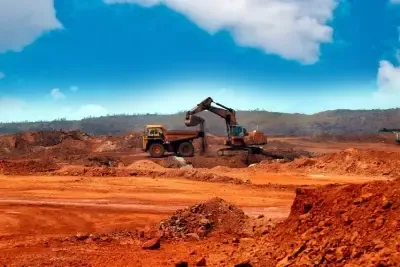
These 17 metals and their corresponding compounds are crucial in the production of electric vehicle motors, microchips, precision-guided munitions, and renewable energy initiatives.
Chinese companies dominate more than 90 percent of global rare earth processing capabilities, which they are leveraging to enhance their negotiating power by restricting exports, even to nations such as the USA.
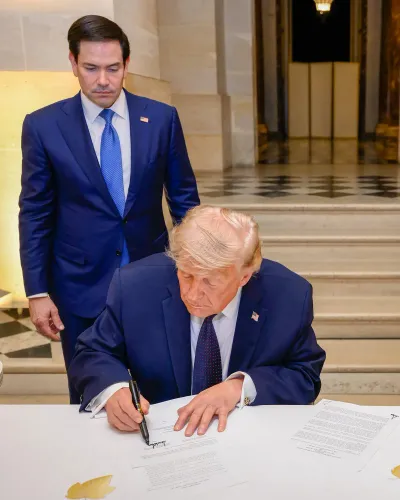
The article points out that former President Donald Trump was compelled to backtrack on US tariff increases against China after Beijing withheld exports of rare metal magnets, significantly impacting the American manufacturing sector.
It emphasizes that China's economic tactics are increasingly aware of geopolitical dynamics and actively integrate coercive capabilities. Export controls are not merely commercial regulations but are also used as policy tools to sway external entities.
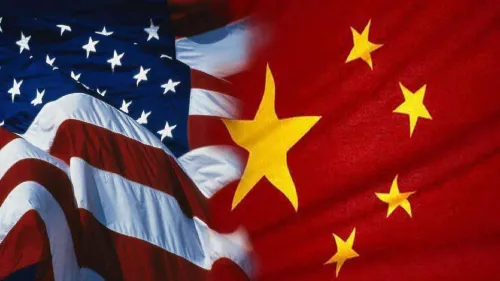
Moreover, a recent analysis commissioned by the U.S. government indicates that Beijing is intensifying this approach by prioritizing control over critical supply chains and employing export restrictions on essential minerals as a coercive measure to obtain favorable policy concessions during trade discussions.
The repercussions have been far from theoretical. Industries across the U.S., Europe, and allied nations are experiencing concrete disruptions. Limitations on output and uncertainties regarding access to rare earths and related materials have compelled companies to rethink their global production strategies, while governments scramble for alternatives, as noted in the report.
A report from the European Union Chamber of Commerce revealed that over 70 percent of EU firms operating in China have reassessed their supply chains, often relocating portions of their value chains away from China due to unpredictable export policies and market conditions.
In the U.S., diverse sectors, including automotive and defense, are grappling with these challenges. The shortages caused by Beijing's regulatory strategies have laid bare the vulnerabilities of critical sectors, even after years of policy focus.
The strategic application of export controls is part of a broader phenomenon that some scholars refer to as “weaponized interdependence”, where economic networks are designed or manipulated to produce strategic advantages or exert coercive pressure, the article concluded.
Point of View
It's crucial to recognize that China's strategic use of its supply chain dominance is not merely an economic maneuver; it poses significant geopolitical risks. While nations scramble to find alternatives, the reliance on vital minerals from China highlights the urgent need for diversified supply chains. This situation calls for a coordinated response from governments and industries to mitigate vulnerabilities and ensure economic resilience.
NationPress
29 Sept 2026
Frequently Asked Questions
How much of the world's rare earth processing capacity does China control?
China controls over 90 percent of the world's rare earth processing capacity, significantly impacting global supply chains.
What are the implications of China's export controls?
China's export controls on critical minerals are used as coercive tools, influencing trade negotiations and causing disruptions in various industries.
How have industries responded to China's supply chain strategies?
Industries in the U.S., Europe, and allied nations are reassessing their supply chains, often relocating parts of their operations away from China due to unpredictable policies.
What sectors are most affected by China's supply chain dominance?
Sectors such as automotive and defense are notably affected, experiencing shortages and vulnerabilities due to China's regulatory approach.
What is weaponized interdependence?
Weaponized interdependence refers to the strategic use of economic networks to gain advantages or exert coercive pressure in international relations.