Are China Trade Tensions Dominating Senate Grilling of US Trade Chief?
Synopsis
In a heated Senate hearing, US Trade Representative Jamieson Greer faced tough scrutiny over the administration's tariff strategy and negotiations with China. The stakes are high as lawmakers express concerns about China's influence in critical technologies and rare-earth supply chains.
Key Takeaways
China remains a focal point in US trade discussions.
The administration defends its high-tariff strategy amidst ongoing negotiations.
Concerns over China 's control of rare-earth elements are significant.
Lawmakers emphasize the importance of maintaining national security in trade.
Trade tensions are influencing global markets and policy.
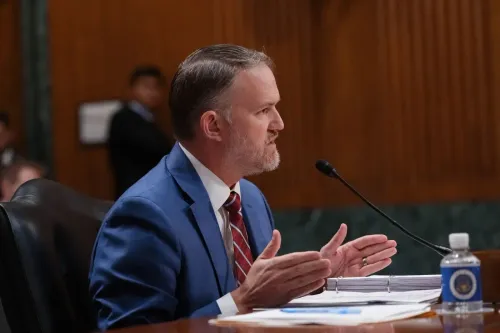
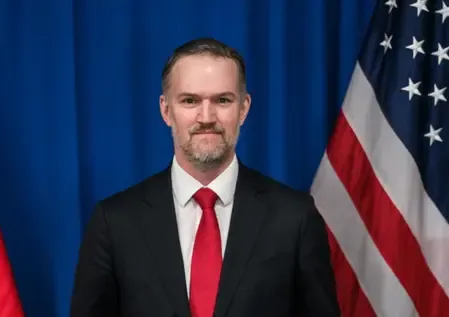
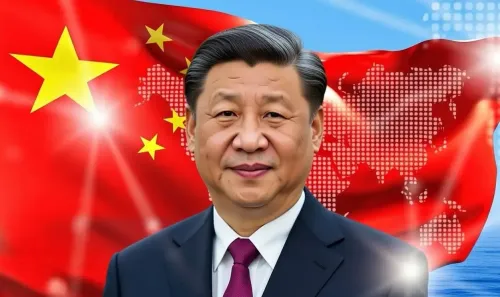
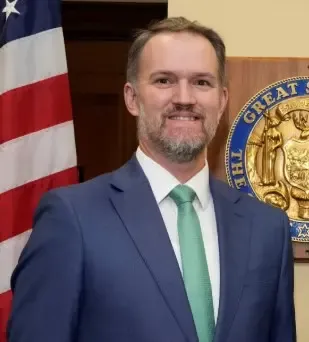
Washington, Dec 10 (NationPress) China was a central figure in a contentious Senate hearing where US Trade Representative Jamieson Greer defended the administration's aggressive high-tariff approach, ongoing negotiations with Beijing, and controversial decisions impacting critical technologies and rare-earth supply chains.
Under intense questioning from lawmakers, Greer emphasized that the administration was maintaining its leverage over Beijing while ensuring stable access to strategic resources. “China has not been a dependable partner, to say the least,” he stated, adding that “China has dominated rare earths this year and has issued threats regarding them. This is unacceptable.”
Greer informed the panel that discussions with China were conditioned on “the tariff framework,” underlining that the administration was applying pressure on Beijing even as it entered into new purchasing agreements. “As of now, rare earths are still flowing.”
He mentioned that the Chinese have resumed purchasing soybeans and sorghum and asserted, “We continue to hold leverage over the Chinese,” in response to a query.
During a particularly heated exchange, Senator Chris Van Hollen criticized the President’s choice to delay the enforcement of the “affiliates rule,” a measure aimed at closing loopholes in export controls concerning Chinese entities. Van Hollen contended that this rule was “essential for our national security.” Greer replied: “It was paused globally for all.”
Van Hollen further questioned the administration's decision to ease restrictions on AI-related “diffusion rules” and permit exports of high-end chips to select nations amid worries that the technology could reach China. Greer explained: “The AI diffusion rule was rescinded for all countries… we are relying on established country groups.”
Senator Jack Reed pressed on, highlighting the administration's approval for Nvidia to dispatch advanced processors to China. Reed stated that military officials deemed the decision “harmful to the security of the United States.” Greer responded: “I stand with the President,” while refraining from elaborating on internal discussions.
Lawmakers from both sides expressed concern over reports that China was utilizing trade threats to sway diplomatic and commercial outcomes. Greer characterized Beijing's October declaration of control over global rare-earth resources as a considerable escalation. “This endangers our entire industrial supply chain,” he remarked.
Regarding China's substantial trade surplus, Senator John Kennedy observed that Beijing “sought alternative markets” once US tariffs were imposed. Greer concurred that the US required more robust tools to counter Chinese practices, stating: “We need to take action… if we are to revive Agoa, we must determine how to enhance its effectiveness.”
Throughout the hearing, Greer asserted that the administration's tariff strategy was crucial for reconfiguring the economic relationship. “We have imposed very high tariffs on China already,” he noted. “The highest tariffs are on China, Asia, and Vietnam… it’s not about being anti-China or anti-anyone. It’s about being pro-American and pro-American worker.”
Despite the concerns, Greer maintained that trade discussions with Beijing were making headway on multiple fronts. “We are securing rare earths, our agricultural exports are resuming, and the trade deficit is narrowing,” he informed the senators. “We are moving in the right direction, and this remains a top priority for the administration.”
US-China trade tensions have overshadowed global markets since 2018, with disputes encompassing technology regulations, industrial policy, intellectual property, and agricultural transactions.
Point of View
I emphasize that the dialogue surrounding US-China trade relations is pivotal for national interests. The administration's approach to tariffs and negotiations will shape not just economic outcomes but also our technological leadership and industrial security.
NationPress
8 Oct 2026
Frequently Asked Questions
What is the current status of US-China trade relations?
US-China trade relations remain tense, with ongoing negotiations and high tariffs in place. The administration is focusing on maintaining leverage over Beijing while ensuring stable access to critical resources.
How are tariffs impacting negotiations with China?
High tariffs are part of the US strategy to exert pressure on China during negotiations, aiming to secure favorable terms and protect American industries.
What are rare-earth supply chains?
Rare-earth supply chains involve the extraction and processing of rare-earth elements essential for various technologies, including electronics and renewable energy solutions.
Why are lawmakers concerned about China's trade practices?
Lawmakers are worried that China is using trade threats to manipulate outcomes in diplomacy and commerce, potentially jeopardizing US national security.
What role do tariffs play in US economic policy?
Tariffs are intended to protect American workers and industries by making imports more expensive, thereby encouraging domestic production and reducing reliance on foreign goods.