US Trade Relations with China Declared 'Stable' Amid WTO Concerns
Synopsis
The US Trade Representative has characterized trade ties with China as stable, while warning of the WTO's diminishing relevance. Greer highlights efforts to address trade deficits and secure supply chains, signaling a cautious approach to economic relations with Beijing amid ongoing global trade challenges.
Key Takeaways
US-China trade relations are currently stable.
Substantial tariffs on Chinese goods remain in effect.
The trade deficit with China has significantly decreased.
The WTO faces criticism for its lack of adaptability.
Pharmaceutical supply chains are vulnerable due to reliance on China.
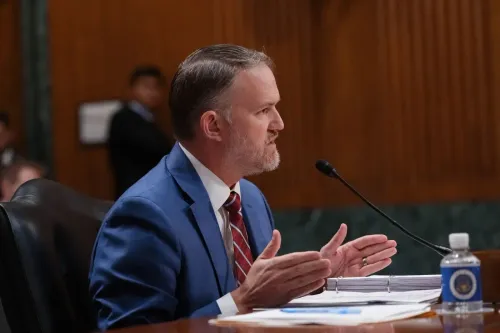
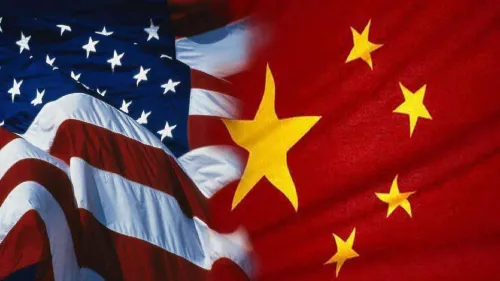
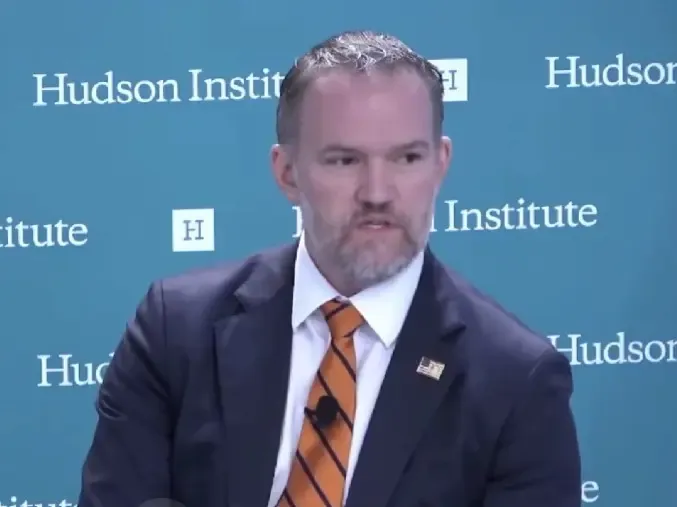
Washington, April 8 (NationPress) The trade dynamics between the United States and China have been labeled as "stable" by US Trade Representative Jamieson Greer. He cautioned that the global trading framework could become "less relevant" without necessary reforms. Speaking at the Hudson Institute on Tuesday (local time), Greer emphasized the US's intention to maintain a careful equilibrium with Beijing, focusing on economic and national security without escalating tensions.
Greer stated, "Currently, I would describe the economic and trade ties between the United States and China as stable." He added, "Our goal is to avoid a significant confrontation."
Despite this stability, he reiterated that the US persists in implementing "substantial tariffs on Chinese imports, especially in advanced manufacturing sectors" to tackle a "massive trade deficit that has surged."
Notably, Greer pointed out a reduction in the US goods trade deficit with China by $130 billion last year, marking a 30% decrease and describing it as indicative of "real change." He also mentioned ongoing efforts to secure supply chains, particularly access to rare earth materials, which are pivotal in discussions with China.
Greer remarked, "We frequently discuss rare earth elements with our Chinese counterparts," and highlighted the pursuit of domestic self-sufficiency to lessen reliance on foreign supplies.
When questioned about supply chain vulnerabilities in pharmaceuticals, he noted that while India is a significant source of active pharmaceutical ingredients (APIs), essential raw materials often come from China. "People point out that many APIs come from India, but the critical starting materials originate in China," he explained, adding, "I've had extensive discussions with Indian officials about addressing this issue."
On a broader scale, Greer delivered a critical assessment of the World Trade Organization (WTO), warning that its failure to adapt could lead to its further marginalization. "If the WTO does not evolve, it risks becoming even less relevant than it is today," he stated.
He referenced the recent ministerial meeting in Cameroon where nations were unable to reach consensus on extending a long-standing moratorium on tariffs related to digital goods. Greer described this situation as a "litmus test" for the organization, noting that the US had proposed to either make the moratorium permanent or extend it for four years, but "Brazil and Turkey… just couldn't agree."
Greer criticized the WTO, stating, "This reflects how outdated the organization has become."
He also pointed out significant structural imbalances in global trade, notably excess production capacity driven by state-supported economies. "We’ve launched a Section 301 investigation into structural overcapacity," he mentioned, adding that while China is primarily responsible, other nations are contributing to the issue.
The United States is responding with tariffs and bilateral agreements aimed at regulating imports while boosting exports. Greer highlighted record US exports exceeding $300 billion in January and February of this year.
Regarding trade policy, he indicated that the administration aims to rejuvenate domestic manufacturing, citing enhancements in productivity, wages, and factory development. "All these indicators are trending positively," he noted, mentioning that manufacturing jobs showed growth in February after a long decline.
Greer emphasized that trade policy is just one segment of a comprehensive strategy encompassing tax, energy, and regulatory measures.
He also highlighted rising tensions with the European Union regarding digital trade regulations, cautioning that US companies face "discriminatory" measures under the Digital Markets Act. "We are not deceived," he stated, asserting that such regulations disproportionately impact American tech firms. "If American companies are restricted, we will dominate European service providers operating in the US."
On North American trade relations, Greer indicated potential changes to the US-Mexico-Canada Agreement (USMCA), stating that the administration is "dissatisfied with many of the results." He noted that "almost everyone suggested modifications to the agreement," and Washington may seek separate protocols with Canada and Mexico to tackle specific issues.
These remarks align with a broader initiative by the Trump administration to reshape trade policies, emphasizing domestic industry, supply chain security, and reciprocal market access.
Point of View
Highlighting the cautious optimism from US officials while addressing significant challenges ahead. It underscores the importance of reform in global trade institutions like the WTO amidst ongoing economic tensions.
NationPress
10 Oct 2026
Frequently Asked Questions
What did the US Trade Representative say about US-China trade relations?
Jamieson Greer described the US-China trade relationship as stable while stressing the importance of reforms in the global trading system.
Are there tariffs imposed on Chinese goods?
Yes, substantial tariffs on Chinese imports, especially in advanced manufacturing sectors, are still in place.
What is the current state of the trade deficit with China?
The US goods trade deficit with China decreased by $130 billion last year, marking a 30% decline.
What concerns were raised regarding the World Trade Organization?
Greer warned that the WTO's inability to adapt could render it less relevant in global trade.
What challenges are there in the pharmaceutical supply chain?
While India supplies many active pharmaceutical ingredients, critical raw materials often come from China, posing supply chain vulnerabilities.