Are US Trade Talks with India the Best Offers Ever?
Synopsis
In a significant push towards enhancing trade relations, US Trade Representative Jamieson Greer praised India's recent offers during Senate hearings. This development could reshape market access for American agricultural products amidst global shifts in trade dynamics.
Key Takeaways
US and India engage in extensive trade negotiations.
India offers unprecedented proposals for market access.
Challenges in agriculture persist, including tariffs and sanitary issues.
Negotiations aim to diversify export markets for American farmers.
US seeks to strengthen global trade relationships amid geopolitical shifts.
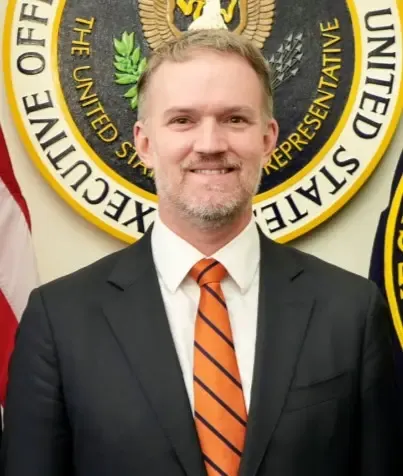
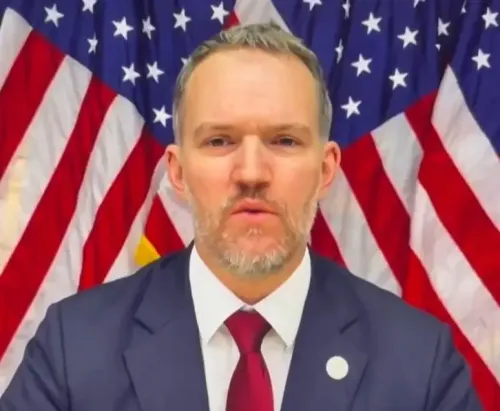
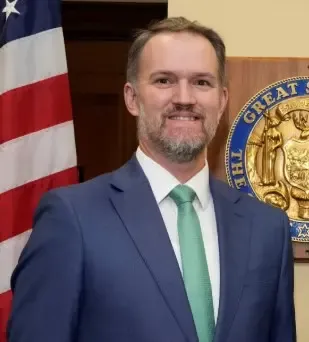
Washington, Dec 10 (NationPress) The United States is advancing with detailed trade negotiations with India, as US Trade Representative Jamieson Greer informed lawmakers that New Delhi has presented “the best offers we've ever received” in ongoing talks focused on enhancing market access for American agricultural goods, such as grain sorghum and soy.
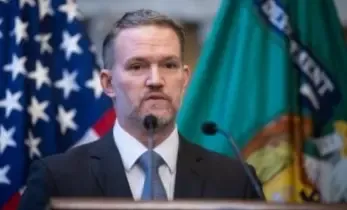
During a Senate Appropriations subcommittee hearing on Tuesday, Greer indicated that a USTR team was currently “in New Delhi, as we speak,” addressing sensitive agricultural barriers.
He recognized that “there is resistance in India… to certain row crops,” yet emphasized that India's recent proposals signify an unprecedented opening. “They've been quite forward-leaning,” he conveyed to Senators in response to an inquiry.
Greer suggested that India has become “a viable alternative market” for US commodities, particularly as American producers contend with excessive inventories and fluctuating demand from China. “We have to find a way to manage that trade,” he stated, noting that India is a promising but historically challenging market to navigate.
Committee Chair Jerry Moran, who expressed concerns about diminishing options for Kansas farmers, urged Greer to diversify export markets to lessen reliance on China. Highlighting large stockpiles, Moran remarked: “It's such a difficult country to crack.” Greer replied that diplomatic and commercial efforts with India are more advanced than in previous administrations.
Greer highlighted that India's engagement aligns with a global shift in US trade relations aimed at reducing deficits and enhancing mutual access. “We're opening market access globally in regions like Southeast Asia and even Europe,” he stated. These new openings, he argued, empower Washington's position with major partners like India and assist farmers in securing “structural constant access.”
Greer also indicated that broader tariff and market-access topics would emerge with India in areas beyond agriculture. When questioned regarding the future of zero-tariff commitments for civil aviation components under the 1979 Aircraft Agreement, he mentioned that discussions with India are “fairly far advanced,” adding: “We can certainly talk about extending treatment to those countries… if they're willing to collaborate and provide the United States the market access it deserves.”
Moran also pointed out India as a potential significant buyer of ethanol produced from US corn and soy. Greer didn’t elaborate on India specifically but noted that “many other countries… have consented to open their markets for US ethanol.” He added that the European Union has pledged to acquire “$750 billion in US energy products” over several years, including biofuels.
Several senators raised alarms about the pressures confronting American farmers amid volatile tariffs and changing Chinese purchases. Greer asserted that the administration’s drive for reciprocal agreements is creating new opportunities for exporters, stating that the United States is “breaking the mold of conventional wisdom in Washington” and securing commitments from trading partners regarding tariffs, regulatory barriers, and FDA acceptance for medicines.
Throughout the hearing, Greer consistently returned to the administration’s belief that assertive negotiation, including tariffs, is crucial for enforcing commitments and unlocking markets. “They respond to enforcement,” he remarked. “That’s how we're able to generate compliance and market opening.”
It’s notable that India–US trade relations have significantly grown over the past decade, with both governments negotiating market access across agriculture, digital services, aviation, pharmaceuticals, and critical minerals.
India remains one of America’s fastest-growing export markets, although agriculture continues to encounter longstanding tariff and sanitary barriers, officials assert.
Negotiations have intensified following the launch of the US–India Strategic Trade Dialogue and ongoing frameworks associated with the Indo-Pacific Economic agenda, as both governments aim for supply-chain diversification and deeper commercial integration amidst geopolitical shifts.
Point of View
It is my duty to present an unbiased perspective on the ongoing trade negotiations between the United States and India. The developments signify a critical shift in international trade relations, potentially benefiting both nations while addressing complex agricultural barriers. It is essential to monitor these discussions closely as they unfold.
NationPress
8 Oct 2026
Frequently Asked Questions
What are the main products involved in US-India trade talks?
The primary focus is on expanding market access for American farm products, notably grain sorghum and soy.
What challenges does the US face in this negotiation?
Resistance in India to certain row crops and longstanding tariff and sanitary restrictions in agriculture present significant challenges.
How does this impact American farmers?
The negotiations aim to provide American farmers with new export opportunities and reduce dependence on fluctuating markets like China.
What is the significance of the US-India Strategic Trade Dialogue?
This dialogue marks a pivotal effort to enhance trade relations and facilitate supply-chain diversification amid global economic shifts.
Will India become a key market for US ethanol?
India is being viewed as a potential major buyer of US ethanol, with many countries already agreeing to open their markets to it.