Why Are US Lawmakers Questioning Trade Representative Greer on Tariffs and Inflation?
Synopsis
In a revealing hearing, US Senators scrutinized Trade Representative Jamieson Greer about tariffs and their impact on inflation, highlighting growing concerns from both parties regarding the economic effects of rapid policy changes. The dialogue emphasized the strain on businesses and consumers alike, marking a pivotal moment in trade discussions.
Key Takeaways
US Senators are increasingly concerned about tariffs and their economic impact.
Tariffs are believed to raise prices for consumers significantly.
Small businesses are experiencing operational challenges due to increased costs.
Trade negotiations are ongoing across various global regions.
USTR's funding request aims to bolster enforcement capabilities amidst rising challenges.
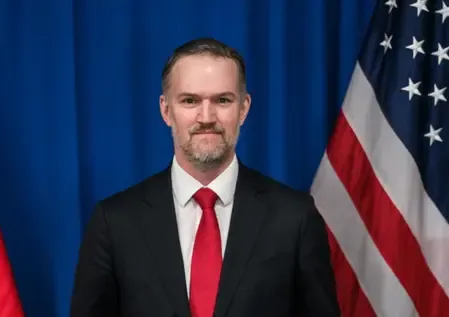
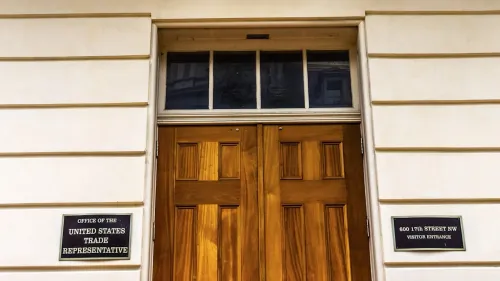
Washington, Dec 10 (NationPress) Prominent Senators in the United States challenged US Trade Representative Jamieson Greer regarding tariffs, escalating consumer prices, the pressure on small businesses, and the administration's extensive reciprocal-trade negotiations. This hearing highlighted a significant bipartisan concern about the economic impacts stemming from swift policy changes.
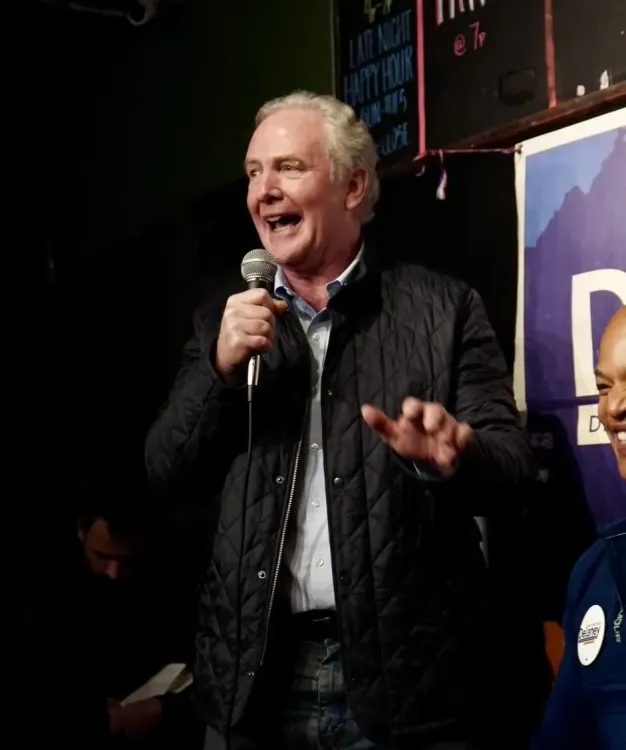
Ranking Member Chris Van Hollen remarked that American consumers are facing “increased prices for essential items, from groceries to clothing to household goods due to the Trump tariffs,” and referenced estimates suggesting that these tariffs might cost households approximately “$4,900 annually.” Senator Patty Murray directly questioned Greer: “Do tariffs elevate prices for American consumers?” Greer replied, “I don’t believe they do… their impact is extremely limited.”
Lawmakers also emphasized the challenges faced by mid-sized manufacturers, small enterprises, and exporters. Senator Susan Collins pointed out that lobster and blueberry producers in Maine are encountering sharply increased costs for equipment due to the 50 percent steel and aluminum tariffs, which have inflated the prices of crucial tools like traps. Greer indicated he would raise this matter with Commerce Secretary Howard Lutnick.
Senator Jeanne Shaheen shared an instance from New Hampshire where a business “lost 85 percent of its wholesale sales” following tariff increases that hindered cross-border trade with Canada. In response, Greer noted that most products traded under USMCA rules are tariff-free but assured he would discuss the situation with the affected business.
A persistent concern raised was the unpredictability companies encounter when sourcing materials overseas. Senator Jeff Merkley stated that businesses are facing unexpected liabilities, saying, “When they ordered it, the tariff was 10 percent… upon arrival, it was 30 percent.” Greer acknowledged this as a significant issue, despite the administration's use of “goods on the water” provisions to mitigate surprises.
Despite these issues, Greer characterized the administration’s strategy as a necessary adjustment. “We can’t maintain the status quo,” he expressed. “If we persist with the trade policies of the past decades, we will continue to face the same consequences,” such as factory closures following NAFTA and China’s WTO membership.
He contended that tariffs serve as both enforcement mechanisms and negotiation leverage. “They respond to enforcement,” he stated. “That’s how we achieve compliance and market access,” Greer explained. The administration is actively negotiating deals across Europe, Southeast Asia, and the Western Hemisphere, which include tariff modifications and commitments on non-tariff barriers, digital trade, and FDA approvals.
Senators also examined the USTR’s funding request—the largest ever. Greer noted that the agency had remained stagnant for five years and requires additional personnel for enforcement. “We need individuals to monitor the landscape… we must draft actions… we need to implement them,” he stated.
The hearing addressed topics such as renewable fuels, aviation, and industrial supply chains. Moran emphasized the need for greater focus on sustainable aviation fuel, and Greer mentioned that recent EU pledges to invest “$750 billion in US energy products” could present new opportunities. Regarding aviation, he reaffirmed that USTR is applying established zero-tariff standards, asserting, “This is a sector that is significant to me.”
In conclusion, Greer articulated that the administration is committed to managed trade to safeguard workers and diminish deficits. “We must reach a point where we have trade, but it is managed… for the advantage of American workers and producers,” he asserted.
Point of View
It’s clear that the recent hearing underscores a crucial moment in US trade policy. Lawmakers from both sides are voicing legitimate concerns about the implications of tariffs on consumers and businesses. It’s essential for the administration to address these issues transparently to ensure economic stability and public trust.
NationPress
7 Oct 2026
Frequently Asked Questions
What was the main focus of the hearing with USTR Greer?
The primary focus was on the impact of tariffs on inflation and small businesses, as well as the administration's trade negotiations.
How are tariffs affecting American consumers?
Lawmakers indicated that tariffs are contributing to higher prices for everyday goods, potentially costing households thousands annually.
What did Senator Collins say about tariffs?
Senator Collins highlighted that Maine's lobster and blueberry producers are facing increased costs due to steel and aluminum tariffs.
What is the administration's stance on tariffs?
Greer argued that tariffs are necessary for enforcement and negotiation leverage, aimed at achieving compliance and market access.
What are the implications of the USTR's funding request?
The USTR has requested the largest funding in its history to enhance enforcement capabilities, which has remained stagnant for five years.