Did US Senator Criticize Trump’s $12B Farm Aid Amid India Tariff Issues?
Synopsis
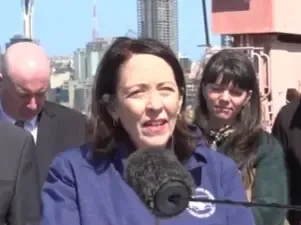
U.S. Senator Maria Cantwell sharply criticizes Trump's $12 billion farm aid plan, labeling it a meager bailout that fails to address the real impact of tariffs on American farmers, especially those exporting to India. As trade tensions continue, she emphasizes the need for effective solutions to restore U.S. agricultural exports.
Key Takeaways
Senator Cantwell criticizes Trump's $12 billion farm aid as insufficient.
The aid plan aims to help farmers affected by trade tariffs.
Specialty crops make up a large portion of U.S. agriculture but receive limited support.
India's removal of retaliatory tariffs is a positive step for U.S. exporters.
The Trade Review Act seeks to restore congressional oversight over tariffs.
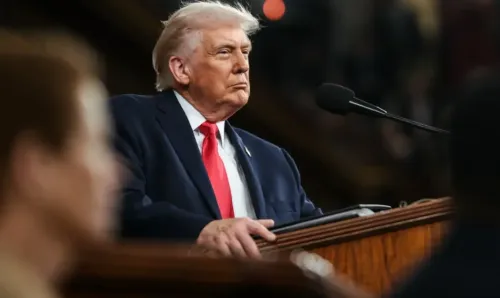
Washington, Dec 10 (NationPress) U.S. Senator Maria Cantwell has sharply criticized President Donald Trump’s recently announced $12 billion initiative aimed at supporting farmers impacted by trade disputes. She described the scheme as a “meager bailout” that does not address the significant damage inflicted by tariffs, which have altered international markets and adversely affected key exporters, particularly those exporting to India.
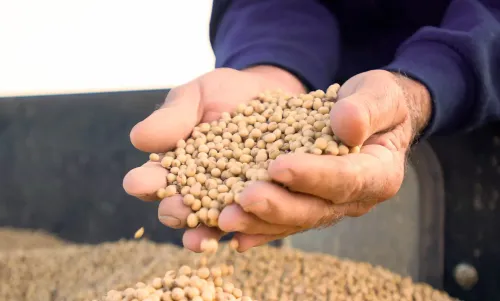
Just a day prior, President Trump revealed plans to allocate up to $11 billion for a new Farmer Bridge Assistance Program to benefit producers of soybeans, corn, wheat, lentils, chickpeas, and barley. An additional $1 billion is designated for specialty crops, but the administration has yet to provide specifics or timelines for this assistance. Payments are anticipated by February 28, 2026.
This support is to be financed through the Commodity Credit Corporation and managed by the Farm Service Agency. This announcement follows more than a year since Trump’s first round of tariffs, which provoked immediate threats of retaliation against U.S. goods, according to the USDA.
Senator Cantwell voiced her opinion that the administration's response is insufficient and arrives too late. “Farmers in Washington do not seek a meager bailout; they desire the ability to export their products worldwide,” she stated. She cautioned that “Trump's tariff turmoil is undermining years of effort to secure international market presence.”
Moreover, she indicated that the ongoing trade conflict jeopardizes significant export hubs in the Northwest that manage nearly $20 billion in U.S. agricultural shipments each year. “Trump's tariffs are continually hurting American consumers, manufacturers, and small businesses, who are bearing the costs without any relief,” she remarked.
Specialty crops, which comprise over 30 percent of U.S. agricultural output, will only receive 8 percent of the aid, as noted in the release. This category encompasses apples, cherries, potatoes, and pulse crops—industries severely impacted when India enacted retaliatory tariffs following Trump's imposition of steel and aluminum duties during his first term.
The announcement highlighted that U.S. apple exports to India plummeted from $120 million in 2017 to under $1 million by 2023. It credited Cantwell’s years of lobbying as instrumental in persuading India to lift those retaliatory tariffs in September 2023, labeling the reversal as “welcome news” for over 1,400 Washington apple growers and countless workers.
Cantwell also emphasized her bipartisan Trade Review Act, which she introduced with Senator Chuck Grassley. This legislation aims to restrict a president's tariff authority and enhance congressional oversight, garnering support from both parties and major business organizations.
The release also addressed rising consumer prices connected to tariffs, invoking findings from economists at the Federal Reserve Bank of St. Louis, who discovered increases in the costs of vehicles, electronics, and furniture.
The U.S. and India have frequently clashed over agricultural trade, including duties on apples, pulses, and almonds. India’s decision to eliminate its retaliatory tariffs in 2023 represented a rare de-escalation as both nations aim to stabilize their trade relationship.
Point of View
The critique of President Trump's farm aid package by Senator Cantwell highlights significant concerns regarding the effectiveness of governmental support in the face of ongoing trade conflicts. The need for comprehensive strategies to bolster U.S. agricultural exports while managing international trade relationships remains critical.
NationPress
10 Sept 2026
Frequently Asked Questions
What is the purpose of Trump's $12 billion farm aid plan?
The plan aims to assist farmers affected by trade disputes, particularly those impacted by tariffs.
How has Senator Cantwell responded to the aid plan?
Senator Cantwell criticized the plan as a meager bailout that fails to address the real damages from tariffs.
What are specialty crops, and how are they affected?
Specialty crops include products like apples and cherries, which make up over 30% of U.S. agricultural output but receive only a fraction of the aid.
What changes occurred in U.S.-India trade relations?
India recently lifted retaliatory tariffs on U.S. apples, a significant development following years of advocacy.
What is the Trade Review Act?
This bipartisan legislation aims to limit presidential tariff authority and enhance congressional oversight.