Is the Influence of Foreign Investors in Indian Banking a Growing Concern?

Synopsis
CPI-M's Dr. John Brittas raises alarms about foreign investors' increasing influence on Indian banks, especially the CSB Bank. He warns of potential risks to India's financial sovereignty and calls for a review of FDI policies to protect social banking principles.
Key Takeaways
Foreign investment in Indian banking is on the rise.
CSB Bank's acquisition by Fairfax Group raises alarms.
Concerns about financial sovereignty are highlighted.
Policy reviews are urgently needed to safeguard social banking principles.
Potential risks in sensitive sectors due to foreign influence.
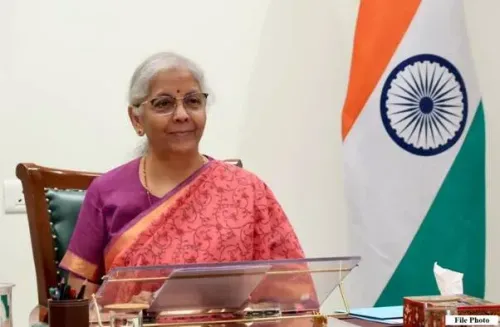
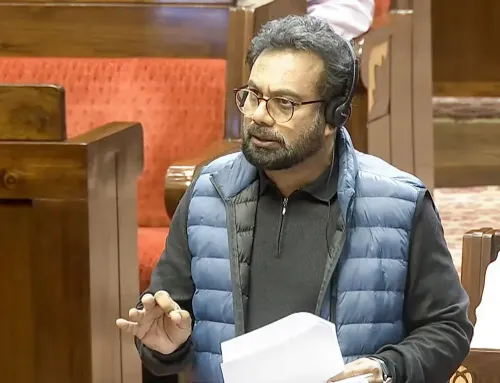
New Delhi, Nov 28 (NationPress) CPI-M Rajya Sabha member, Dr John Brittas, has reached out to Union Finance Minister Nirmala Sitharaman and Reserve Bank of India (RBI) Governor Sanjay Malhotra, expressing significant concerns regarding the increasing influence of foreign investors in private sector banks, particularly highlighting the Catholic Syrian Bank, now known as CSB Bank.
The CSB, established in 1920 in Thrissur, is deeply rooted in the community with a legacy of social banking. It made headlines as the first Indian bank to permit a single foreign investor, the Canada-based Fairfax Group, to acquire a 51% equity stake in 2018.
Brittas characterized the acquisition of CSB by the Fairfax Group as a “dangerous shift” in India’s banking policy, cautioning that it signifies an upward trend of increasing “foreignisation” of Indian banking, which might jeopardize the nation's financial sovereignty.
In his correspondence, he pointed out that India’s public and private banking sectors showcased resilience during the 2008 global financial crisis, primarily due to their limited exposure to foreign ownership and influence.
However, recent relaxations in policies and regulatory approvals have paved the way for deeper foreign involvement in the sector, reversing the key objectives of India’s bank nationalization movement, which aimed to prioritize financial inclusion, social development, and national stability, as Brittas noted.
The MP cited CSB as a critical case study, asserting that the period following the takeover has seen a marked decline in permanent employment, a rise in contractualization, alleged denial of wage revisions, and a dilution in social banking commitments.
He contended that profit-driven motives have overshadowed the developmental responsibilities that the bank once upheld.
Brittas also highlighted a wider trend of foreign equity involvement and acquisitions in domestic banks such as Lakshmi Vilas Bank, Yes Bank, ICICI Bank, RBL Bank, HDFC Bank, and Axis Bank, warning that this growing trend could ultimately erode India’s strategic control over its financial architecture.
He emphasized the potential risks of undue external influences on credit allocation, monetary stability, and consumer interests, especially in sensitive sectors like agriculture, infrastructure, and financing for small enterprises.
Calling for immediate policy intervention, Brittas urged the Finance Ministry and the RBI to conduct a thorough review of the current FDI policy in banking and to consider the CSB case as a study to assess the operational and regulatory implications of permitting majority foreign ownership in Indian banks.
He underscored the necessity to safeguard India’s financial sovereignty, ensure responsible capital participation, and uphold the core principles of social banking amid global economic uncertainty.
Point of View
It is essential to emphasize that the concerns raised by Dr. John Brittas reflect a critical viewpoint on foreign investments in India's banking sector. These discussions must be taken seriously to ensure the integrity of our financial systems while balancing the need for global investments.
NationPress
6 Oct 2026
Frequently Asked Questions
What are the concerns regarding foreign investors in Indian banks?
The primary concerns include potential loss of financial sovereignty, declining employment rates, and a shift from social banking to profit-oriented motives.
Who raised these concerns?
CPI-M Rajya Sabha member, Dr. John Brittas, addressed these issues in a letter to Union Finance Minister Nirmala Sitharaman and RBI Governor Sanjay Malhotra.
What specific bank is mentioned in this context?
The focus is on the Catholic Syrian Bank, now known as CSB Bank, which allowed a foreign investor to acquire a significant stake.
What historical context is provided regarding banking policies?
The letter highlights the resilience of India's banking system during the 2008 financial crisis, attributed to limited foreign ownership.
What actions are being urged by Dr. Brittas?
He calls for a comprehensive review of the current FDI policy in banking to evaluate the implications of allowing majority foreign ownership.