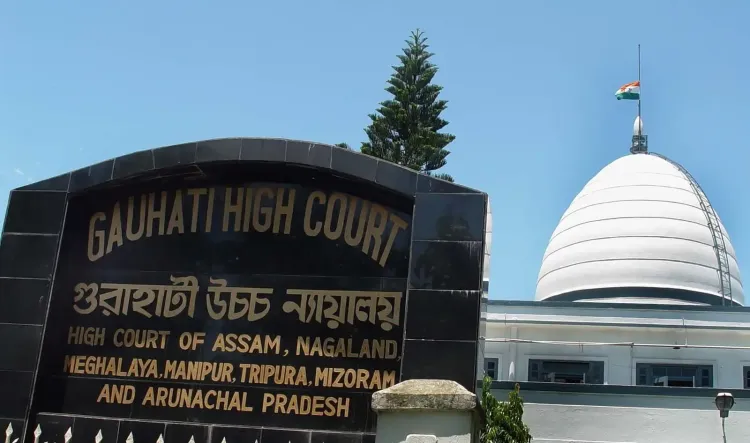
Gauhati HC admits PIL on EVM credibility in Assam polls, next hearing Nov 4
Synopsis
A PIL filed by leaders of the Assam Jatiya Parishad and Congress before the Gauhati High Court is challenging the very technology inside Assam's EVMs — focusing on semiconductor components, undisclosed source code, and an alleged link between a Japanese chip company and the state's investment push. The court has called it 'serious and sensitive' and fixed 4 November for the next round of arguments on admissibility.
Key Takeaways
The Gauhati High Court is hearing arguments on the maintainability of a PIL challenging EVMs used in the Assam Assembly elections .
The PIL was filed by AJP leader Ziaur Rahman and Congress leaders Guptamani Sharma and Ripun Bora .
Petitioners allege that EVM semiconductor components and source code have not been made available for independent scrutiny.
The PIL also cites alleged similarities in polling patterns across several constituencies and references a Japanese semiconductor company linked to Assam's investment initiatives.
No court judgment has been issued on the substantive claims; proceedings are limited to admissibility .
The next hearing is scheduled for 4 November ; the Assam government is yet to present its position.
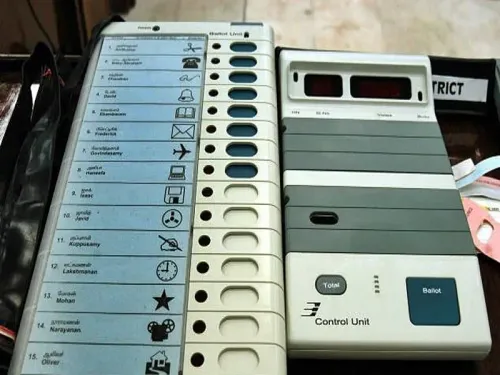
The Gauhati High Court has taken up for hearing a Public Interest Litigation (PIL) challenging the credibility and legal acceptability of Electronic Voting Machines (EVMs) used in the recent Assam Assembly elections. A bench led by Chief Justice Ashutosh Kumar heard initial submissions on 18 September 2026 and fixed 4 November as the date for further arguments on whether the petition can be formally admitted.
Who Filed the PIL and What It Alleges
The petition has been filed by Assam Jatiya Parishad (AJP) leader Ziaur Rahman along with Congress leaders Guptamani Sharma and Ripun Bora. The petitioners have raised concerns about the semiconductor technology and microchips used in EVMs, the non-disclosure of the machines' source code, and the broader transparency of their programming. They contend that these components should be subject to greater independent technical scrutiny.
According to Rahman, the petition is distinct from earlier legal challenges that questioned EVM reliability in general terms. This one, he said, focuses specifically on the semiconductor components and the feasibility of independently examining their programming logic.
The Japanese Semiconductor Angle
The PIL also refers to an alleged connection between a major Japanese semiconductor company and Assam's semiconductor investment initiatives. Rahman has claimed that officials of the company met Assam Chief Minister Himanta Biswa Sarma during his visit to Japan in January 2025. The Japanese company has been named as a party to the proceedings. It must be noted that these are allegations forming part of the petition and have not been established or adjudicated upon by the court.
Polling Pattern Concerns and ECI Source Code
The petitioners have additionally alleged that the Election Commission of India (ECI) has not made the relevant EVM source code publicly available, questioning whether sufficient technical information is accessible for public examination. A separate concern raised in the PIL relates to alleged similarities in polling patterns across several Assembly constituencies during a specific period on polling day. Rahman has argued that these patterns warrant judicial scrutiny.
Where the Case Stands Now
The proceedings are currently confined to the question of maintainability — whether the PIL meets the threshold to be admitted for substantive hearing. No judgment has been issued on the merits of any claim. During the 18 September hearing, counsel for both the petitioners and the Election Commission advanced their arguments. The Assam government is expected to present its position at a subsequent date. The court is reported to have indicated that the matter is serious and sensitive, with potential links to EVM-related cases pending before the Supreme Court and other high courts. The next hearing is scheduled for 4 November.
Point of View
With the Supreme Court repeatedly upholding their integrity. What makes this PIL marginally different is its technical specificity — it targets semiconductor components and source code rather than making broad reliability claims, which could force the Election Commission to respond with greater technical detail than past cases required. However, the court is still at the maintainability stage, and the inclusion of the Japanese semiconductor company angle risks diluting the petition's legal focus. The broader pattern is clear: EVM challenges, especially those filed after electoral defeats, rarely survive the maintainability threshold, and the burden on the petitioners here is considerable.
NationPress
20 Sept 2026
Frequently Asked Questions
What is the Gauhati High Court EVM PIL about?
The PIL challenges the credibility and legal acceptability of EVMs used in the Assam Assembly elections, specifically targeting the semiconductor technology and microchips inside the machines, the non-disclosure of their source code, and alleged similarities in polling patterns on election day. It was filed by AJP leader Ziaur Rahman and Congress leaders Guptamani Sharma and Ripun Bora.
What is the current status of the case?
The Gauhati High Court is currently hearing arguments only on maintainability — that is, whether the petition meets the legal threshold for admission. No judgment has been passed on the substance of any allegation. The next hearing is fixed for 4 November.
What role does the Japanese semiconductor company play in the PIL?
The petitioners allege a connection between a major Japanese semiconductor company and Assam's semiconductor investment push, claiming that company officials met Chief Minister Himanta Biswa Sarma during his Japan visit in January 2025. The company has been named as a party to the case, but no finding has been made by the court on this claim.
Why do the petitioners say this PIL is different from past EVM challenges?
According to petitioner Ziaur Rahman, earlier EVM challenges questioned the machines' general reliability, while this petition focuses specifically on the semiconductor components and the technical feasibility of independently examining their programming — a narrower and more technical legal argument.
What has the Election Commission said in the case?
The Election Commission's counsel presented arguments during the 18 September hearing. The ECI has been named as a respondent, and the petitioners allege it has not made the EVM source code publicly available. The Assam government is yet to present its position and is expected to do so at a future hearing.