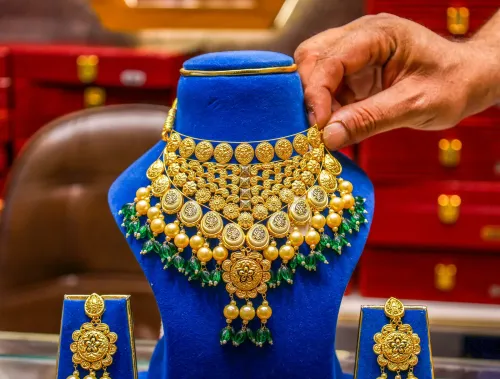
Gold, silver volatile on MCX as Fed rate hike fears, dollar surge weigh

Synopsis
Gold near an eight-month low and silver at its weakest since December — that is the backdrop as MCX traders navigated wild intraday swings on 25 June. A one-year-high US dollar, looming Fed rate hike bets, and a tech-stock selloff forcing bullion liquidations have created a perfect storm for precious metals, with the next US inflation print now the critical trigger.
Key Takeaways
MCX gold (August) swung between a low of ₹1,40,543 and a high of ₹1,41,989 on 25 June , reflecting sharp intraday volatility.
MCX silver (July) ranged from ₹2,10,043 to ₹2,15,950 , a swing of nearly 2.76% between extremes.
COMEX gold fell 0.42% to $3,991.80 per ounce ; COMEX silver dropped 1.65% to $57.13 per ounce .
Gold is hovering near an eight-month low ; silver is at its weakest since December , according to analysts.
A one-year-high US dollar and growing bets on a Fed rate hike in September are the primary drivers of selling pressure.
Brent crude fell about 2% to ~ $72 per barrel ; WTI crude dropped 1.83% below $70 per barrel .
Gold and silver futures on the Multi Commodity Exchange (MCX) swung sharply between gains and losses on Thursday, 25 June, as growing expectations of a US Federal Reserve rate hike as early as September and a surging US dollar kept precious metals under pressure. Both metals hovered near multi-month lows, with analysts warning that upcoming US inflation data could set the next directional move.
How Gold Traded on MCX
Gold futures (August) opened at ₹1,40,672 per 10 grams, down ₹598 or 0.42% from the previous close of ₹1,41,270. Buying interest emerged mid-session, lifting the yellow metal to an intraday high of ₹1,41,989, a gain of ₹719 or 0.50%, before it slipped to an intraday low of ₹1,40,543, a decline of ₹727 or 0.51%. The wide intraday range reflects the tug-of-war between bargain hunters and macro-driven sellers.
Silver's Steeper Swings
Silver futures (July) mirrored gold's volatility but with sharper moves. The white metal opened at ₹2,10,308, down ₹2,767 or 1.30% from the previous close of ₹2,13,075. It touched an intraday low of ₹2,10,043, a drop of ₹3,032 or 1.42%, before rebounding to an intraday high of ₹2,15,950, up ₹2,875 or 1.34%. The swing of nearly 2.76% between the day's extremes underscores heightened uncertainty in industrial metals with dual safe-haven and commodity appeal.
Global Markets Echo Domestic Weakness
International markets offered little relief. COMEX gold was down 0.42% at $3,991.80 per ounce, while COMEX silver declined 1.65% to $57.13 per ounce. According to analysts, gold is hovering near an eight-month low and silver is trading around its weakest levels since December. A stronger US dollar — reportedly at a one-year high — has been the primary headwind, as a firmer greenback makes dollar-denominated commodities costlier for overseas buyers.
What Analysts Said
Market analysts attributed the selling pressure to a confluence of factors: the stronger dollar, rising Fed rate-hike expectations, and spillover from a sharp decline in US technology stocks, which reportedly prompted some investors to liquidate bullion holdings to cover losses elsewhere. 'While easing geopolitical tensions and lower crude oil prices have reduced inflation concerns, market participants remain focused on upcoming US inflation data for fresh clues on the Federal Reserve's policy trajectory,' analysts noted.
Crude Oil Adds to the Macro Pressure
Crude oil prices remained under strain, compounding the risk-off tone. Global benchmark Brent crude fell about 2% to around $72 per barrel, while US WTI crude declined 1.83% to trade below the $70-per-barrel mark. Lower oil prices, while easing inflation fears, also signal softer global demand — a dynamic that tends to reduce gold's inflation-hedge appeal even as it pressures growth assets. All eyes now turn to the next US inflation print, which analysts say will be pivotal in determining whether the Fed's September rate decision tilts hawkish.
Point of View
Bullion's traditional safe-haven role is being overridden by the carry cost of holding non-yielding assets. The additional wrinkle — tech-stock losses forcing bullion liquidation — points to a broader risk-off dynamic that domestic MCX traders cannot insulate themselves from. Until the next US CPI print lands, expect range-bound volatility rather than a directional breakout.
NationPress
24 Sept 2026
Frequently Asked Questions
Why are gold and silver prices falling in India today?
Gold and silver prices on the MCX fell sharply on 25 June due to a stronger US dollar at a one-year high, rising expectations of a US Federal Reserve rate hike in September, and selling pressure from investors liquidating bullion to cover losses in US technology stocks.
What are the current MCX gold and silver prices?
MCX gold (August futures) traded between ₹1,40,543 and ₹1,41,989 per 10 grams on 25 June, against a previous close of ₹1,41,270. MCX silver (July futures) ranged between ₹2,10,043 and ₹2,15,950, against a previous close of ₹2,13,075.
How are gold and silver performing on COMEX internationally?
COMEX gold was down 0.42% at $3,991.80 per ounce and COMEX silver declined 1.65% to $57.13 per ounce. Analysts noted gold is near an eight-month low and silver is at its weakest since December.
What is the outlook for gold and silver prices?
Analysts say the next key trigger is upcoming US inflation data, which will provide fresh clues on the Federal Reserve's policy direction. Until that data lands, precious metals are likely to remain range-bound and volatile, with the stronger dollar continuing to cap upside.
How does the US Federal Reserve rate decision affect gold prices in India?
When the Fed raises interest rates, the US dollar typically strengthens, making dollar-denominated gold more expensive for foreign buyers and reducing its appeal as a non-yielding asset. This dual pressure tends to push both domestic MCX and international COMEX gold prices lower.