Gujarat CM Patel: criticism is tonic for government
Synopsis
Gujarat CM Bhupendra Patel told journalists in Gandhinagar that criticism is a tonic for the government, while Deputy CM Harsh Sanghavi framed the press as Team Gujarat. The New Year Snehmilan tied media outreach to Viksit Bharat by 2047 and a drug-free India.
Key Takeaways
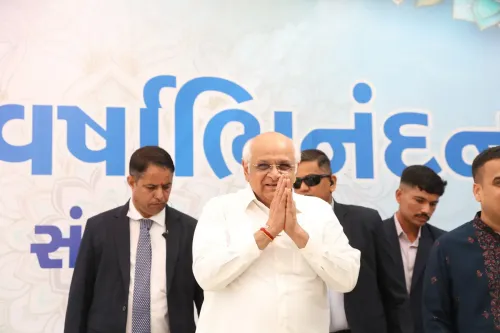
Gujarat Chief Minister Bhupendra Patel on 25 November called criticism a tonic for the government at a journalists' Snehmilan in Gandhinagar .
He said the media and the government should maintain dialogue, cooperation and a constructive approach, adding that journalists could never be separate from the government.
Patel sought coordinated efforts for Prime Minister Narendra Modi 's Viksit Bharat by 2047 and Nasha Mukt Bharat, citing a state roadmap.
Deputy Chief Minister Harsh Sanghavi said the government and journalists were working as 'Team Gujarat' and urged the press to go beyond TRPs.
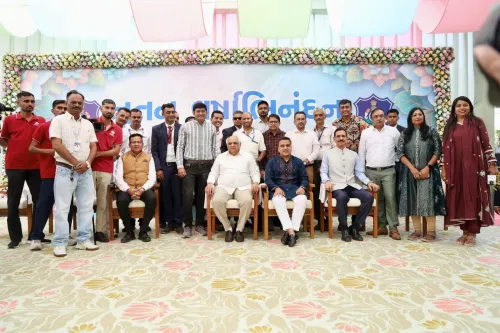
Speaker Shankar Chaudhary , Cabinet members and BJP state president Jagdish Vishwakarma attended the New Year ceremony.
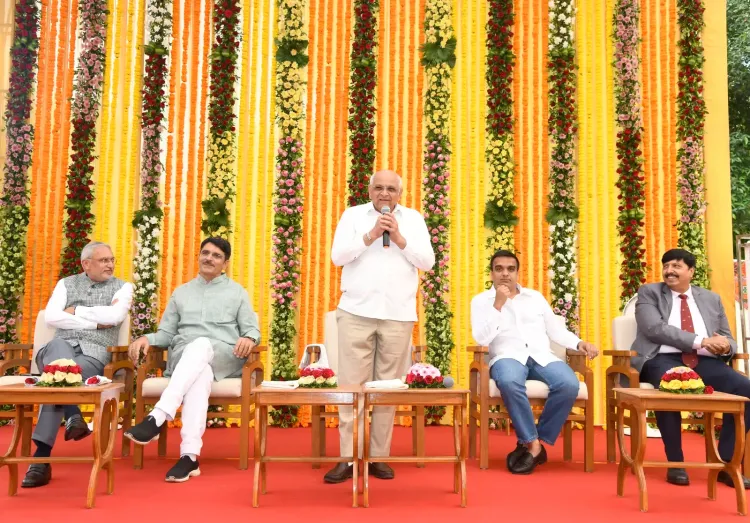
Gujarat Chief Minister Bhupendra Patel on Wednesday described criticism as a tonic for the government and said constructive dialogue between the administration and the media is essential for strengthening democracy. Addressing a journalists' Snehmilan in Gandhinagar on 25 November, he also called for collective efforts to achieve a developed and drug-free India.
Criticism as tonic, dialogue as duty
Patel told the gathering, organised on the occasion of the New Year, that the media and the government should maintain mutual dialogue, cooperation and a constructive approach. He added that journalists could never be separate from the government.
“Criticism is like a tonic for the government,” he said, emphasising that feedback from journalists could help improve governance and strengthen democratic institutions. Extending New Year greetings to the media fraternity, the Chief Minister framed the relationship as one of partnership rather than distance.
This comes amid a wider debate on how state administrations engage with the press — whether as a watchdog that must stay independent, or as a stakeholder in a shared development project. Patel's formulation placed journalists inside the governance conversation, while still inviting criticism as useful input rather than an adversarial act.
Push for Viksit Bharat and Nasha Mukt Bharat
Patel called for coordinated efforts to realise Prime Minister Narendra Modi's vision of Viksit Bharat by 2047 and Nasha Mukt Bharat. “Everyone has a dual responsibility in building a developed India, contributing through their own actions and motivating other members of society to work towards the same objective,” he emphasised.
The Chief Minister said the state government had prepared a roadmap to achieve Viksit Bharat by 2047 and expected constructive suggestions and participation from different sections of society to make the development journey more comprehensive and result-oriented.
Notably, Gujarat has long been presented by the Bharatiya Janata Party (BJP) as a showcase of the development model that the Centre now projects nationally under the 2047 horizon — India's centenary of Independence. Linking a media gathering to that roadmap signals that the state wants the press not only to report outcomes but also to feed into the planning process. The parallel pitch for Nasha Mukt Bharat ties the evening to a mass-mobilisation campaign against narcotics.
Deputy CM on Team Gujarat
Deputy Chief Minister Harsh Sanghavi, who was also present, appreciated the media's contribution to Gujarat's development. He said journalists had emerged as a responsible medium for providing accurate information to the public and highlighting shortcomings in the government's functioning.
“Under Patel's leadership, the state government and journalists are working together as 'Team Gujarat' to strengthen the state,” Sanghavi said. He argued that the role of journalists should extend beyond considerations of TRPs, with the media focusing on public interest, the welfare of citizens and bringing issues requiring the government's attention to the forefront.
Sanghavi urged journalists to bring any shortcomings in government functioning to the notice of the authorities, while calling for collective efforts that would not adversely affect the interests of the state or its people. The pairing of an invitation to flag failures with a caution against harming the state's interests is a familiar tension in Indian political communication: access and criticism are both requested, but within a frame of shared loyalty to the state's image.
Who attended the Gandhinagar Snehmilan
State Legislative Assembly Speaker Shankar Chaudhary, members of the state Cabinet, and BJP state president and MLA Jagdish Vishwakarma attended the ceremony. Other government officials, organisational office-bearers and senior journalists were also present.
The presence of the Speaker, the Cabinet and the state BJP president alongside the Chief Minister and Deputy Chief Minister underlines that the Snehmilan was treated as a political as well as a professional gathering — a New Year outreach to the press from the full architecture of the state establishment.
What happens next will be measured less by the warmth of the evening than by whether the promised constructive channel actually carries critical reporting into policy correction. Patel's tonic metaphor will be tested whenever journalists bring uncomfortable facts, not only when they amplify the Viksit Bharat and Nasha Mukt Bharat messaging.
Point of View
Stay inside a shared development project, and do not let TRPs or adversarial coverage bruise Gujarat's brand. If the tonic is genuine, the test is whether uncomfortable stories still get access after they sting.
NationPress
25 Nov 2026
Frequently Asked Questions
What did Gujarat CM Bhupendra Patel say about criticism?
He described criticism as a tonic for the government and said feedback from journalists could help improve governance and strengthen democratic institutions. He was speaking at a journalists' Snehmilan in Gandhinagar on 25 November.
Where did Bhupendra Patel address the media?
He addressed a journalists' Snehmilan ceremony in Gandhinagar, organised on the occasion of the New Year. Deputy Chief Minister Harsh Sanghavi and other senior state leaders were also present.
What did Patel say about Viksit Bharat by 2047?
He called for coordinated efforts to realise Prime Minister Narendra Modi's vision of Viksit Bharat by 2047 and Nasha Mukt Bharat. He said Gujarat had prepared a roadmap and wanted constructive suggestions from different sections of society.
What did Deputy CM Harsh Sanghavi tell journalists?
Sanghavi said the state government and journalists were working together as Team Gujarat under Patel's leadership. He urged the media to go beyond TRPs, focus on public interest, and bring shortcomings to the authorities without harming the state's interests.
Who attended the Gandhinagar Snehmilan?
Besides Chief Minister Bhupendra Patel and Deputy Chief Minister Harsh Sanghavi, attendees included Assembly Speaker Shankar Chaudhary, Cabinet members, BJP state president and MLA Jagdish Vishwakarma, officials and senior journalists.