Gujarat CM Bhupendra Patel begins 72-hour tribal outreach in Dahod, village stays planned
Synopsis
Gujarat CM Bhupendra Patel has traded the state secretariat for a tribal village floor — literally sitting down to lunch with a Sarabali family on day one of a 72-hour Dahod immersion. With overnight stays, khatla baithaks, and household visits still ahead, the visit is a deliberate break from programme-driven outreach in one of Gujarat's most significant tribal districts.
Key Takeaways
Gujarat CM Bhupendra Patel began a 72-hour tribal outreach in Dahod district on 18 November 2026 .
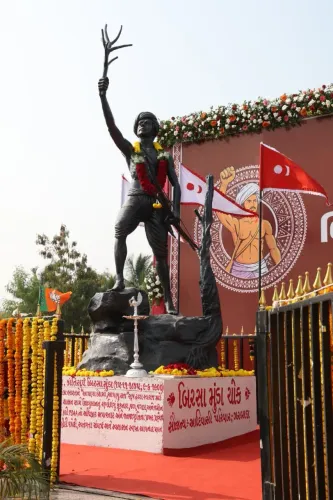
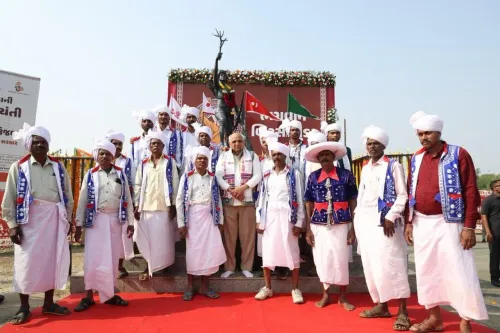
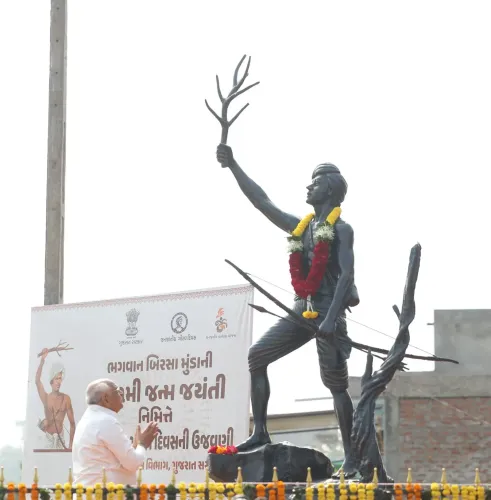
He paid tributes to tribal freedom fighter Birsa Munda in Garbada and was welcomed with traditional tribal dance and attire.
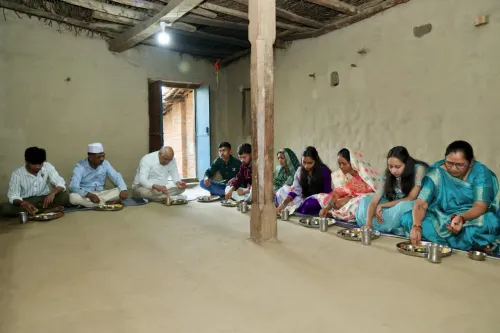
The CM shared a floor-seated meal with a tribal family in Sarabali village , enquiring about education and livelihoods.
Planned activities include overnight village stays and traditional khatla baithaks (community meetings) across multiple villages.
The visit is part of the Gujarat government's direct engagement drive with tribal communities in Dahod , one of the state's most significant tribal districts.
Gujarat Chief Minister Bhupendra Patel launched a 72-hour grassroots outreach in the tribal villages of Dahod district on Wednesday, 18 November 2026, beginning with community interactions in Garbada and sharing a floor-seated meal with a tribal family at their home in Sarabali village. The three-day immersion visit is part of the state government's sustained engagement drive with tribal communities in one of Gujarat's most significant tribal belts.
How the Visit Began
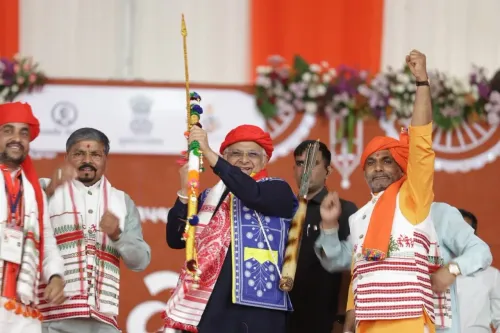
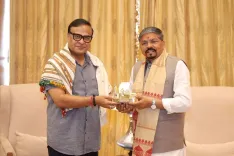
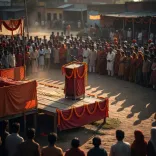
Chief Minister Patel opened the outreach by paying floral tributes at the statue of tribal freedom fighter Birsa Munda in Garbada. A large gathering of villagers welcomed him with traditional tribal dance performances, and tribal artists presented him with customary attire — a koti (jacket) and bhoriya (traditional headgear) — along with a bow and arrow. When members of the dance troupe expressed a wish to photograph with the Chief Minister, Patel readily obliged, joining them and interacting with the performers.
Village Interactions and Community Connect
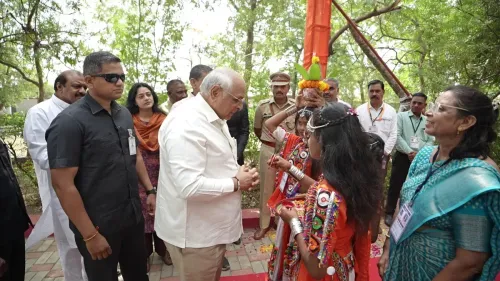
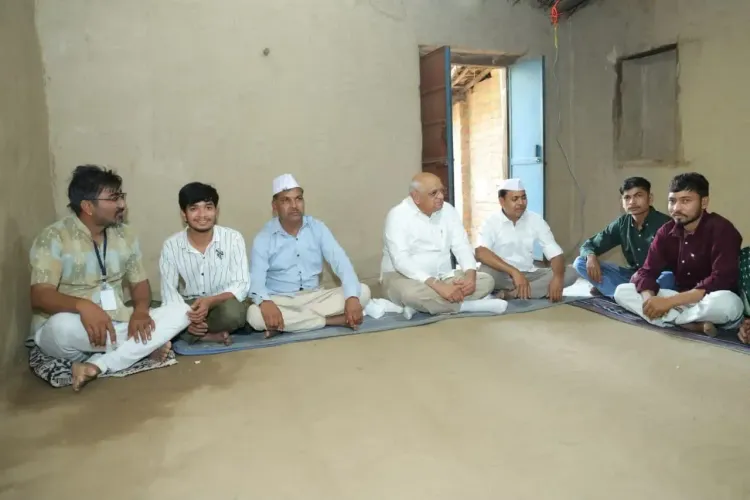
From Garbada, Patel proceeded to Gangardi village, stopping en route at the residence of Mukeshbhai Bariya for tea and a conversation with family members. Later, at Sarabali village, the Chief Minister sat on the floor and shared a meal at a tribal household, speaking with elderly members and women about their daily circumstances and enquiring specifically about children's education and family livelihoods. He also spent time with children gathered at the venue and held informal conversations with women, young people, and elderly residents across stops.
What the 72-Hour Programme Entails
Over the course of the visit, Chief Minister Patel is scheduled to stay overnight in tribal villages, conduct traditional khatla baithaks (community meetings), and visit multiple households across Dahod district. The format is deliberately informal — designed to allow the Chief Minister to engage with villagers outside the structure of official government programmes. These immersive formats are aimed at giving the administration a ground-level understanding of living conditions, local concerns, and community needs in the tribal areas.
Context and Significance
Dahod, located in eastern Gujarat, has one of the highest concentrations of Scheduled Tribe population in the state and has historically been a focus area for welfare and development programmes. This visit comes amid broader state-level efforts to strengthen trust and direct communication with tribal communities. Notably, the visit's emphasis on shared meals, overnight stays, and informal community sittings signals a shift from programme-driven outreach to relationship-building — a format that tribal welfare advocates have long argued produces better policy feedback than formal consultations.
Point of View
But the real measure of this visit lies in what follows it. Dahod's tribal communities have been the subject of welfare schemes for decades, with varying results on ground indicators like nutrition, education enrolment, and forest rights. Immersive outreach formats are valuable only if they feed into concrete policy adjustments — without a structured mechanism to convert khatla feedback into programme changes, the optics risk outrunning the outcomes. The timing, with no immediate electoral trigger visible, does lend the visit a degree of genuine administrative intent worth watching.
NationPress
18 Nov 2026
Frequently Asked Questions
Why is Gujarat CM Bhupendra Patel visiting Dahod for 72 hours?
Chief Minister Bhupendra Patel is conducting a 72-hour immersive outreach in Dahod district's tribal villages to directly engage with tribal communities outside formal government programmes. The visit includes overnight village stays, shared meals with tribal families, and traditional khatla baithaks (community meetings) to understand local living conditions and concerns firsthand.
What is a khatla baithak?
A khatla baithak is a traditional community meeting held in tribal areas, typically an informal gathering where community members sit together to discuss shared concerns. The format is culturally familiar to tribal communities and is used in this visit to facilitate open dialogue between the Chief Minister and villagers.
Which villages did CM Patel visit on the first day?
On the first day, CM Patel visited Garbada, where he paid tributes to Birsa Munda, then proceeded to Gangardi village, stopping at the home of Mukeshbhai Bariya for tea. He later shared a meal with a tribal family in Sarabali village.
What is the significance of Dahod for tribal outreach in Gujarat?
Dahod, located in eastern Gujarat, has one of the highest concentrations of Scheduled Tribe population in the state and has long been a focus area for tribal welfare and development initiatives. The district represents a critical constituency for understanding tribal livelihood, education, and community needs.
Who is Birsa Munda, whose statue CM Patel garlanded in Garbada?
Birsa Munda was a prominent 19th-century tribal freedom fighter and leader from the Jharkhand region, revered across Indian tribal communities for his role in leading the Ulgulan (rebellion) against British colonial rule and exploitative zamindari systems. His statue serves as a symbolic touchstone for tribal identity and resistance.