Gujarat PDS scam: ₹42 lakh in foodgrains, vehicles seized in Junagadh; 6 arrested
Synopsis
Gujarat's State Monitoring Cell raided two locations in Junagadh district and unearthed a PDS diversion racket, seizing subsidised foodgrains and property worth ₹42.32 lakh — with six arrested and 15 more still at large. The operation exposes how fair price shop operators and dealers allegedly siphoned off rations meant for below-poverty-line households.
Key Takeaways
Gujarat Police SMC seized goods worth ₹42.32 lakh — including ₹30.35 lakh in foodgrains — during raids in Junagadh district on 9 November 2026 .
Raids were conducted at Bilkha and Bantwa towns; six accused arrested, 15 others named as wanted.
Seized items include wheat, rice, tur dal, bajra, gram and soybean , plus four vehicles worth ₹11.35 lakh .
Cases registered under the Essential Commodities Act and Bharatiya Nyaya Sanhita, 2023 at two police stations.
Operation conducted on orders of DGP G.S.
Malik ; further investigation is underway.
The Gujarat Police's State Monitoring Cell (SMC) seized government-supplied foodgrains and property collectively worth ₹42.32 lakh during raids at two locations in Junagadh district on 9 November 2026, cracking down on an alleged racket that diverted subsidised rations meant for the poor away from the public distribution system (PDS). Six people were arrested during the operation, while 15 others have been named as wanted accused.
How the Operation Unfolded
Acting on the directive of Director General of Police G.S. Malik to curb illegal activities across the state, an SMC team led by Inspector A.Y. Baloch conducted simultaneous raids at Bilkha and Bantwa towns following intelligence that fair price shop owners and dealers were illegally diverting foodgrains earmarked for economically weaker sections, including those living below the poverty line.
The first raid targeted a house occupied by Imtiyaz Chauhan near the railway crossing at Nagarechawadi, Street No. 3, under Bilkha police station limits. The second covered a house and godown occupied by Deepak alias Dipu Hemnani at Lake Street No. 8 in Bantwa town.
What Was Seized
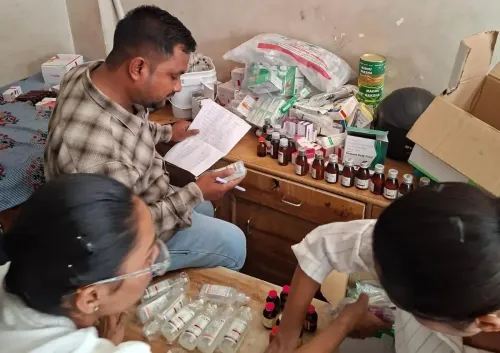
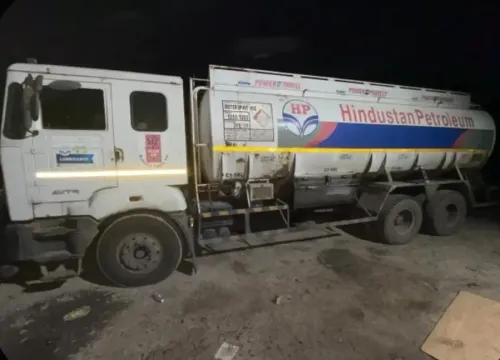
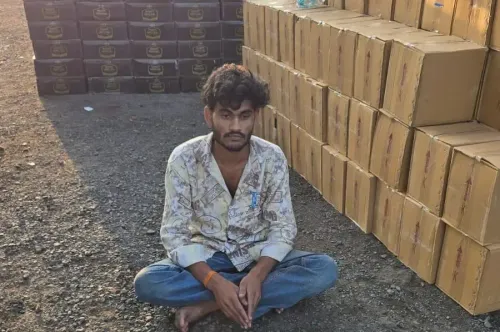
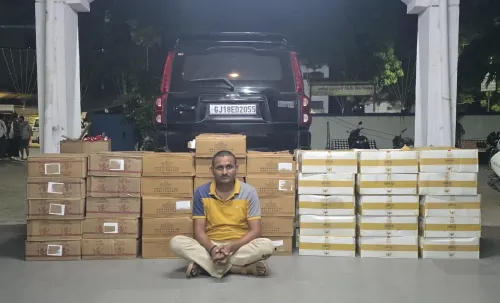
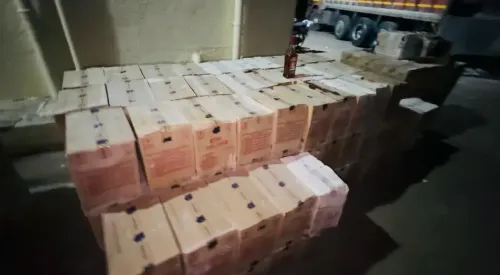
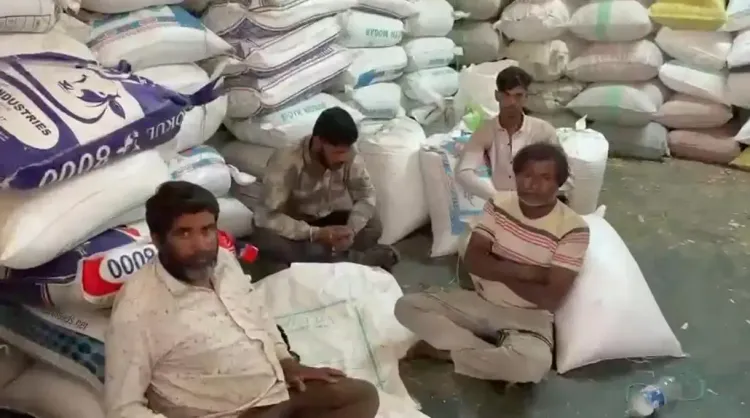
Police recovered wheat, rice, tur dal, bajra, gram, soybean and other foodgrains with a combined value of ₹30.35 lakh — all of it reportedly meant for subsidised distribution. The haul also included four vehicles worth ₹11.35 lakh, seven mobile phones valued at ₹51,000, four electronic weighing scales worth ₹8,000, cash of ₹2,500, and a rough bill book used to log transactions. The total estimated value of all seized property stands at ₹42.32 lakh, according to police.
Who Was Arrested and Who Is Wanted
The six arrested accused are Imtiyaz Chauhan and Mustaqbhai Chauhan from Bilkha, and Rajkumar alias Bablo Ahuja, Sunilkumar Pahlajani, Kiran Solanki, and Vejabhai Akhiya from Bantwa.
The 15 wanted accused include Amin Chotaliya, Firoz Malaviya, Irfan Kalvatar, and Deepak Hemnani — who allegedly occupied the raided Bantwa premises — along with Vasubhai Sindhi, Pintubhai Sindhi, Mohina Sindhi, Aju Sindhi, Babubhai Sindhi, an unidentified fair price shop owner or dealer, and several others identified by name or alias.
Legal Charges Filed
Two separate offences have been registered at Bilkha and Bantwa police stations. The charges invoke Sections 3 and 7 of the Essential Commodities Act and Sections 3(5), 61(2), and 316(5) of the Bharatiya Nyaya Sanhita, 2023. Police confirmed that further investigation is underway, with efforts to apprehend the remaining wanted accused.
The Bigger Picture
PDS diversion rackets are a persistent challenge across Indian states, depriving the most vulnerable households of subsidised staples they are legally entitled to. This action by the SMC signals a stepped-up surveillance posture under DGP Malik's instructions. With 15 accused still at large, the case is far from closed — and the involvement of fair price shop operators suggests the leakage may run deeper into the supply chain than the two raided premises indicate.
Point of View
The last mile of India's food security apparatus collapses for the people it was designed to protect. The SMC's simultaneous multi-location raids and the sheer variety of commodities seized — from staples like wheat and rice to tur dal and bajra — suggest this was an organised operation, not opportunistic pilferage. With 15 accused still at large, including the godown occupant and unidentified shop operators, the investigation's credibility will hinge on whether those arrests follow. The larger question is systemic: how many similar operations are running across Gujarat's fair price network that remain undetected?
NationPress
9 Nov 2026
Frequently Asked Questions
What was seized in the Gujarat PDS raid in Junagadh?
Police seized subsidised foodgrains — wheat, rice, tur dal, bajra, gram, soybean and others — worth ₹30.35 lakh, along with four vehicles, mobile phones, weighing scales and cash. The total value of all seized property was estimated at ₹42.32 lakh.
Who was arrested in the Junagadh PDS diversion case?
Six people were arrested: Imtiyaz Chauhan and Mustaqbhai Chauhan from Bilkha, and Rajkumar alias Bablo Ahuja, Sunilkumar Pahlajani, Kiran Solanki, and Vejabhai Akhiya from Bantwa. An additional 15 persons have been named as wanted accused.
What charges have been filed in the Gujarat foodgrain diversion case?
Two separate FIRs were registered at Bilkha and Bantwa police stations under Sections 3 and 7 of the Essential Commodities Act, and Sections 3(5), 61(2), and 316(5) of the Bharatiya Nyaya Sanhita, 2023. Further investigation is ongoing.
Who ordered the Gujarat SMC raids on PDS dealers?
The raids were conducted on the instructions of Director General of Police G.S. Malik, as part of a broader drive against illegal activities in Gujarat. The SMC team was led by Inspector A.Y. Baloch.
What is the public distribution system (PDS) and why does diversion matter?
The PDS is India's subsidised food supply network that provides essential commodities at reduced prices to economically weaker sections, including below-poverty-line households. Diversion deprives the most vulnerable beneficiaries of their entitled rations, and is a punishable offence under the Essential Commodities Act.