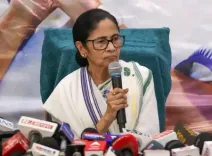
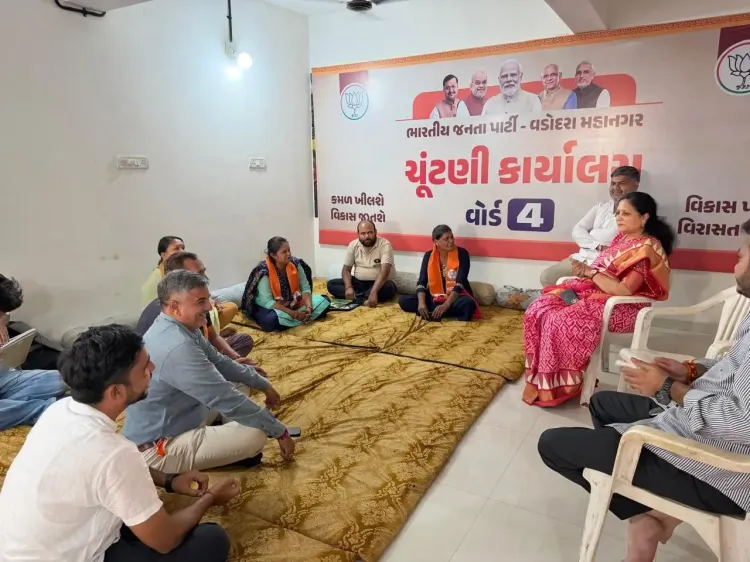
Gujarat Minister Declares It’s Time for Women’s Quota in Governance
Synopsis
Gujarat's Women and Child Development Minister, Manisha Vakil, asserts that the time has come for a 33% women's reservation in legislative bodies, highlighting the importance of women's representation in governance. Key discussions are set to unfold during the parliamentary session from April 16.
Key Takeaways
33% reservation for women in legislative bodies is being advocated.
Discussions among political parties will commence on April 16.
The Women’s Reservation Bill is aimed at enhancing women’s representation in governance.
The implementation is tied to constitutional processes and future elections.
Women constitute nearly half of India's population and their representation is essential.
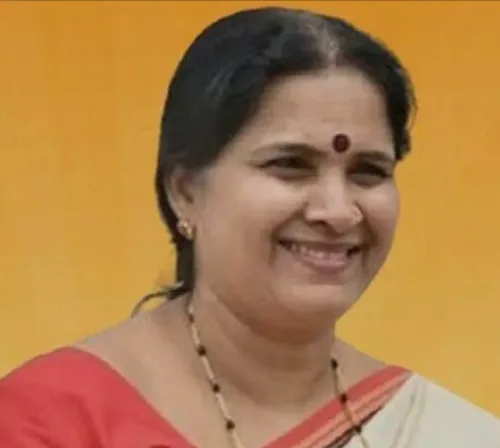
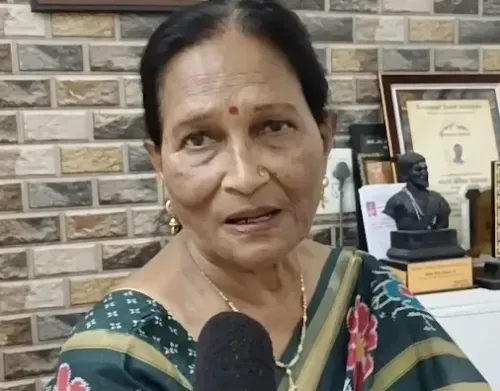
Gandhinagar, April 14 (NationPress) Manisha Vakil, the Gujarat Minister for Women and Child Development, declared on Tuesday that the moment has arrived to secure a 33 percent reservation for women in legislative bodies.
She noted that the Central government is gearing up for crucial conversations regarding the implementation framework of the women’s reservation legislation, known as the Narishakti Vandan Abhiniyam, during the upcoming special parliamentary session starting on April 16.
During a press conference in Gandhinagar, Vakil emphasized that the proposed Women’s Reservation Bill represents a major advancement in enhancing women’s involvement in governance and should now progress towards effective execution.
She pointed out that women make up nearly half of India’s population and deserve proper representation in elected institutions.
“It is imperative to provide 33 percent reservation for women,” Vakil stated, highlighting that all political parties will take part in the discussions set to occur in Parliament in New Delhi.
She recalled that when the proposal was initially introduced in 2023, various political parties shared their perspectives, and the matter has remained under consideration since then.
Addressing the upcoming sessions, she mentioned that the proceedings on April 16, 17, and 18 would be particularly crucial for women’s political representation.
Vakil noted that the proposed structural framework for the Lok Sabha is expected to introduce “beneficial changes” for women, thereby reinforcing their role in decision-making.
“Today, women excel in every domain,” she remarked, asserting that their participation in governance will be further bolstered by this legislative provision.
Additionally, she indicated that a dedicated discussion on the Women’s Reservation framework is scheduled for April 16 in Parliament, with participation from all political factions anticipated.
Vakil elaborated that the law's implementation would follow a specified constitutional process and timeline, related to future electoral activities, suggesting that the reservation would take effect in a later phase after the necessary procedural steps have been fulfilled.
The Constitution (One Hundred and Sixth Amendment) Act, 2023, stipulates the reservation of one-third of seats for women in the Lok Sabha and state legislative assemblies, including horizontal reservation for women from Scheduled Castes and Scheduled Tribes within their respective categories.
The law's implementation is linked to a delimitation exercise set to occur after the first census conducted post-enactment, indicating that its operational rollout is anticipated after constituency redrawing and subsequent elections.
The special parliamentary session, set from April 16 to 18, aims to focus on facilitating provisions and procedural measures for implementation, along with broader discussions on representation and electoral reforms related to the legislation.
Point of View
The push for a 33% women's reservation in legislative bodies is a pivotal step towards achieving gender equality in governance. As discussions unfold in Parliament, it will be crucial to observe how various political parties engage with this significant issue, reflecting a broader commitment to enhancing women's representation in Indian politics.
NationPress
18 Sept 2026
Frequently Asked Questions
What is the significance of the Women’s Reservation Bill?
The Women’s Reservation Bill aims to secure 33% reservation for women in legislative bodies, enhancing their representation in governance and decision-making.
When will the discussions on the Women’s Reservation Bill take place?
Discussions on the Women’s Reservation Bill are scheduled during the special parliamentary session from April 16 to 18.
How does the Constitution (106th Amendment) Act, 2023 affect women’s representation?
The Act mandates reserving one-third of seats for women in the Lok Sabha and state legislative assemblies, along with horizontal reservation for women from Scheduled Castes and Scheduled Tribes.
What are the next steps for implementing the Women’s Reservation Bill?
The implementation will follow a constitutional process linked to future elections and delimitation exercises after the first census post-enactment.
Why is women’s representation in governance important?
Ensuring women's representation in governance is crucial for achieving gender equality and addressing diverse societal needs in decision-making.