HAL delivers 2 Tejas twin-seat trainers, 3 HTT-40 aircraft to IAF in Bengaluru
Synopsis
HAL handed over five combat and training aircraft to the IAF and four civil helicopters to Pawan Hans in a single ceremony — a multi-platform delivery that signals India's indigenous aerospace ecosystem is moving from aspiration to operational reality, with Defence Minister Rajnath Singh urging faster timelines and deeper R&D ambition.
Key Takeaways
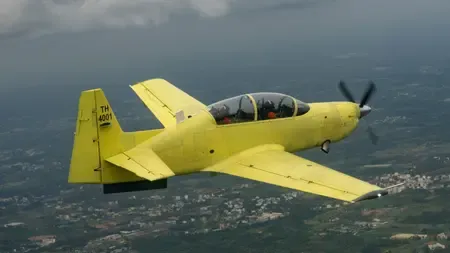
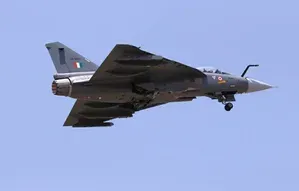
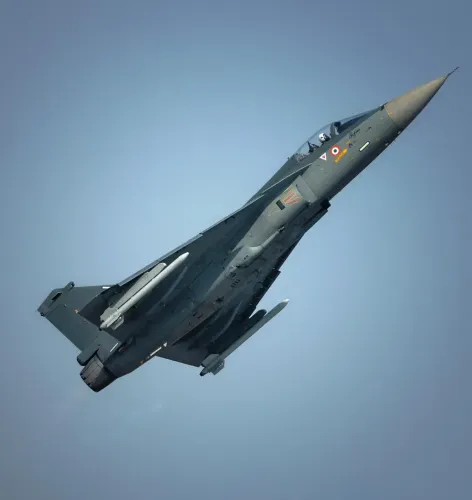
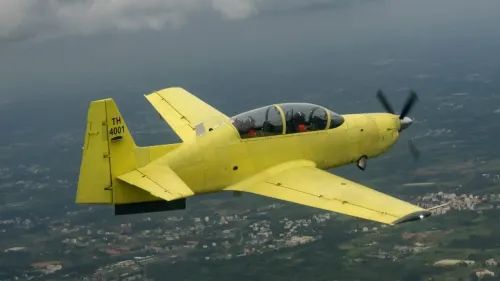
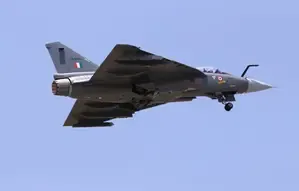
HAL delivered 2 LCA Tejas FOC twin-seater trainers and 3 HTT-40 basic trainers to the IAF on 18 September 2026 in Bengaluru .
4 Dhruv next-generation helicopters were simultaneously handed over to Pawan Hans Limited .
Defence Minister Rajnath Singh and Civil Aviation Minister K.
Rammohan Naidu presided over the ceremony.
The HTT-40 replaces years of dependence on imported basic trainers; Singh highlighted its export potential .
Singh flagged concerns over project delays at HAL, warning of cost escalation and technology obsolescence risks.
The event reinforces India's Aatmanirbhar Bharat drive, with HAL central to both military and civil indigenous aerospace supply.
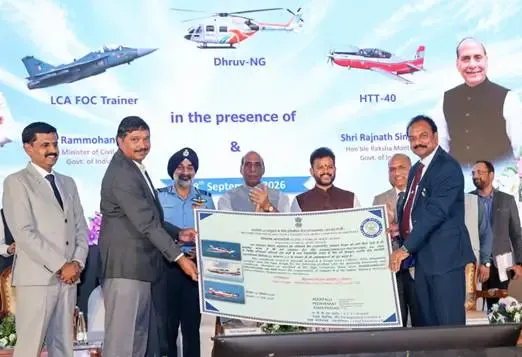
Hindustan Aeronautics Limited (HAL) on Friday, 18 September 2026, handed over two LCA Tejas final operational clearance (FOC) twin-seater trainer aircraft and three HTT-40 basic trainer aircraft to the Indian Air Force (IAF) at a ceremony in Bengaluru. Simultaneously, four Dhruv next-generation (NG) helicopters were delivered to Pawan Hans Limited, marking a landmark multi-platform handover by India's state-owned aerospace manufacturer.
The Ceremony and Key Attendees
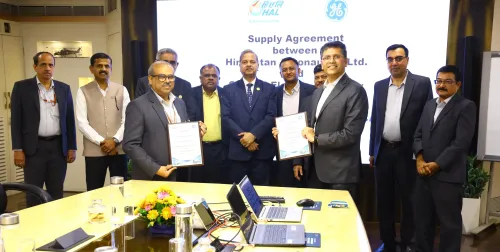
The handover was conducted in the presence of Defence Minister Rajnath Singh and Minister of Civil Aviation K. Rammohan Naidu. The platforms were formally displayed and a pooja was performed as part of the occasion. Singh also sat inside the Dhruv NG chopper showcased at the venue — a HAL-designed, 5.5-tonne, light twin-engine, multi-role helicopter.
What Each Platform Represents
The LCA Tejas FOC twin-seater trainer is designed to prepare IAF pilots for high-intensity combat environments, combining advanced avionics with operational readiness. According to Singh, it stands as a symbol of indigenous military aerospace capability and the maturing of India's fighter aircraft ecosystem.
The HTT-40 addresses a long-standing gap: India had for years depended on imported aircraft for basic pilot training. HAL is now producing the HTT-40 domestically. Singh noted the aircraft carries significant export potential and could find demand in international markets.
The Dhruv NG, delivered to civil operator Pawan Hans Limited, signals HAL's expanding footprint in the civil aviation segment — what Singh described as exemplifying 'indigenous civil aerospace prowess.'
What the Defence Minister Said
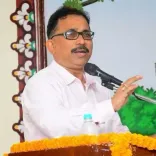
Addressing the gathering, Rajnath Singh said combat effectiveness depends on a combination of well-trained personnel, advanced technology, integrated systems, and rapid decision-making. He called on HAL to expand across the full aerospace value chain — covering design, development, manufacturing, certification, lifecycle support, and global marketing.
Singh also raised a pointed concern about project timelines, warning that delays in ongoing technical programmes can create critical capability gaps, escalate costs, and risk technology obsolescence. He urged HAL's scientists, engineers, designers, test pilots, and technicians to treat research and development as a challenge — to create technologies that do not yet exist.
Broader Strategic Context
The handover is consistent with India's Aatmanirbhar Bharat push in defence, which has steadily shifted procurement emphasis toward domestic manufacturers. HAL, as the country's primary aerospace public sector unit, has been at the centre of that transition — with its order book and delivery commitments expanding across military and civil segments.
Notably, this delivery comes at a time when the IAF faces an ageing fleet and squadron-strength pressures, making the induction of indigenous platforms both a strategic and operational necessity. The Tejas programme, which has seen years of development, is now at a stage where trainer variants are being operationalised alongside the front-line fleet.
With sectoral guidelines for deeper private-sector integration in aerospace expected in the coming months, HAL's role as anchor manufacturer and integrator will face growing scrutiny on execution speed and cost discipline.
Point of View
Or whether this ceremony marks another high-profile milestone followed by the slow production ramp that has historically plagued the Tejas programme. Singh's unusually direct warning about project delays suggests that even within government, patience with execution is wearing thin. Pairing that caution with a call for frontier R&D is contradictory unless HAL can simultaneously fix its delivery pipeline.
NationPress
18 Sept 2026
Frequently Asked Questions
What did HAL hand over to the IAF on 18 September 2026?
HAL delivered two LCA Tejas FOC twin-seater trainer aircraft and three HTT-40 basic trainer aircraft to the Indian Air Force at a ceremony in Bengaluru on 18 September 2026. Four Dhruv next-generation helicopters were also handed over to Pawan Hans Limited at the same event.
What is the HTT-40 aircraft and why does it matter?
The HTT-40 is a basic trainer aircraft manufactured indigenously by HAL, designed to replace India's long-standing dependence on imported trainers for pilot training. Defence Minister Rajnath Singh also flagged its export potential in international markets.
What is the Dhruv NG helicopter delivered to Pawan Hans?
The Dhruv next-generation helicopter is a HAL-designed, 5.5-tonne, light twin-engine, multi-role helicopter. The four units delivered to Pawan Hans Limited represent HAL's push into the civil aviation segment alongside its military programmes.
What did Rajnath Singh say at the HAL handover ceremony?
Singh said combat effectiveness requires well-trained personnel, advanced technology, integrated systems, and rapid decision-making, calling the LCA trainer pivotal for IAF readiness. He also warned that delays in HAL's technical projects could cause capability gaps, cost escalations, and technology obsolescence, and urged the organisation to pursue R&D that creates capabilities not yet in existence.
How does this delivery fit into India's Aatmanirbhar Bharat defence push?
The handover is part of India's broader drive to reduce dependence on foreign defence imports and build indigenous aerospace capacity. HAL is the primary vehicle for that transition, supplying both military platforms like the Tejas and civil aircraft like the Dhruv NG, with the government pushing it to expand across the full value chain from design to global marketing.