Hantavirus ship MV Hondius: Spain air ambulance grounded in Canary Islands
Synopsis
A hantavirus evacuation from the cruise ship MV Hondius hit a double setback — Morocco refused the air ambulance's landing, and the aircraft then suffered an electrical system failure in the Canary Islands. With WHO and the ECDC now coordinating the response, and the ship's remaining passengers days away from Spanish shores, Europe's health authorities are in uncharted territory.
Key Takeaways
Two suspected hantavirus patients from cruise ship MV Hondius are stranded aboard a grounded air ambulance in Spain's Canary Islands as of 7 May 2025 .
The aircraft suffered a failure in the patient's electrical support system ; airport power is currently sustaining the patients.
Morocco reportedly refused to authorise the refuelling stop in Marrakesh , forcing the diversion.
Spain agreed to receive the MV Hondius on humanitarian grounds following a request from the WHO and the European Union .
The ECDC is assessing all individuals on board; remaining passengers and crew are expected in the Canary Islands within three to four days .
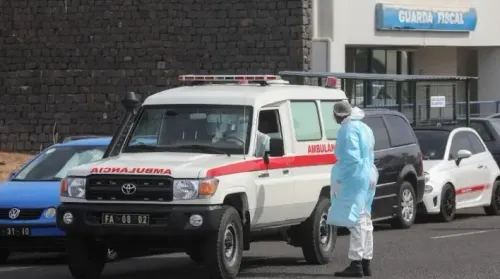
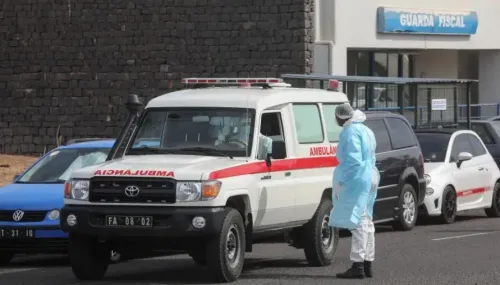
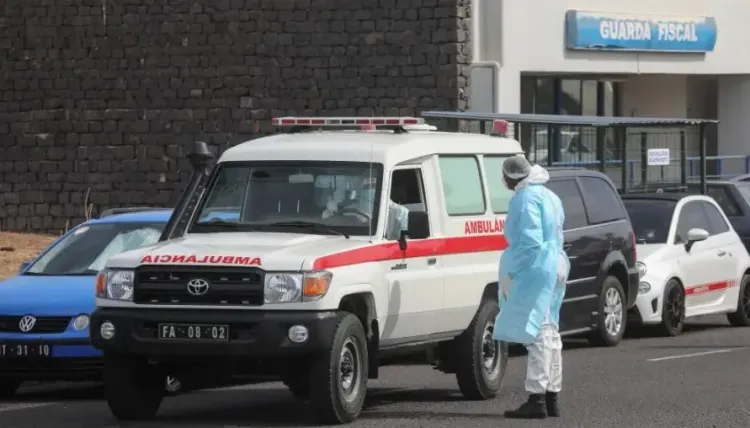
Two suspected hantavirus patients evacuated from the Dutch-operated cruise ship MV Hondius remained stranded aboard a grounded air ambulance at an airport in Spain's Canary Islands on 7 May 2025, awaiting a replacement aircraft after a technical malfunction, Spain's Health Ministry confirmed. The patients, one of whom is the ship's doctor, are not considered a public health risk, according to the ministry.
What Went Wrong With the Evacuation Flight
The air ambulance had originally departed from Cape Verde and was scheduled to refuel in the Moroccan city of Marrakesh before continuing to Amsterdam. However, according to Spanish media reports, Moroccan authorities did not authorise the landing, forcing the aircraft to divert to the Canary Islands.
Upon arrival, the situation worsened. "During the refuelling stop, the plane's doctor reported a failure in the patient's electrical support system," Spain's Health Ministry said in a statement. Airport authorities subsequently provided external electrical support to the grounded aircraft while a replacement plane was sourced.
The ministry reassured the public, stating: "The patients do not pose a risk to public health and will remain on the tarmac until the situation is resolved."
The MV Hondius Outbreak and International Response
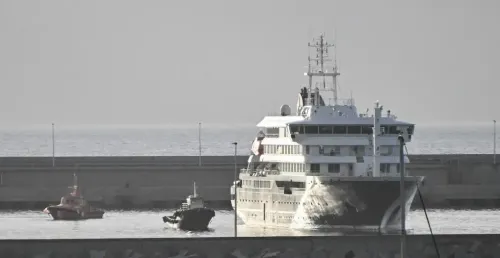
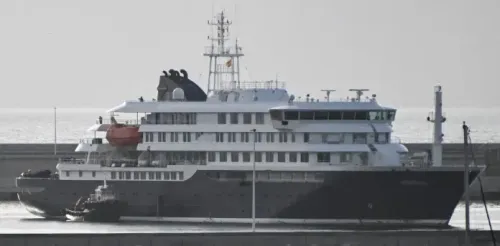
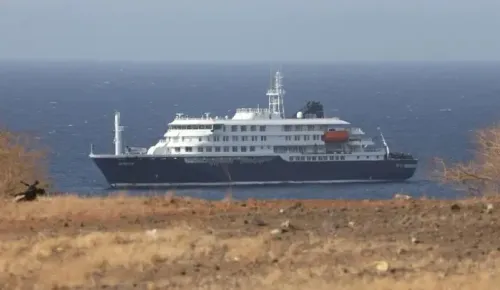
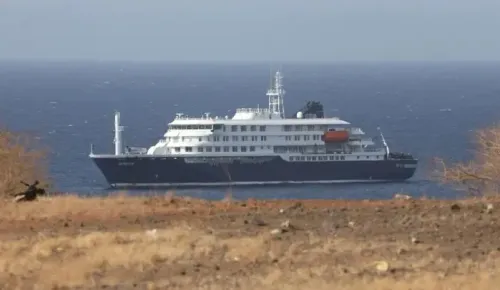
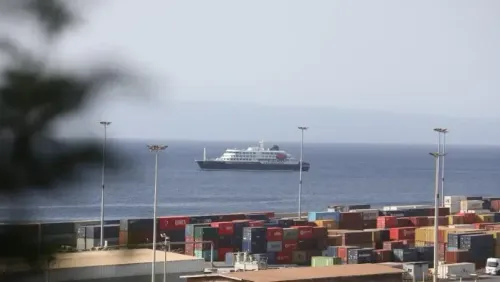
The evacuation is part of a broader international response to a hantavirus outbreak detected aboard the MV Hondius, a Dutch-operated cruise vessel, during its voyage near Cape Verde. The World Health Organization (WHO), in coordination with the European Union, formally requested that the Spanish government receive the vessel, and Spain agreed on Tuesday, citing international law and humanitarian obligations.
The European Centre for Disease Prevention and Control (ECDC) is conducting a comprehensive health assessment aboard the ship to determine which individuals require urgent evacuation and which can safely continue to the Canary Islands. The remaining passengers and crew are expected to arrive at the islands within three to four days, according to the ministry.
What Is Hantavirus and Why It Matters
Hantavirus is a rodent-borne viral illness that can cause severe respiratory and renal complications in humans. Outbreaks linked to cruise ships are exceptionally rare, making the MV Hondius case a matter of heightened international scrutiny. While person-to-person transmission is not typical with most hantavirus strains, the confined environment of a cruise ship necessitates rigorous screening and controlled evacuation protocols.
Notably, the ECDC's involvement signals that European health authorities are treating this as a situation requiring coordinated continental oversight rather than a bilateral response between Spain and the Netherlands.
What Happens Next
Spanish authorities are arranging a replacement aircraft to transport the two patients to their intended destination of Amsterdam. The remaining passengers and crew aboard the MV Hondius are expected to reach the Canary Islands within the next three to four days, where further health screening is anticipated. The ECDC assessment will determine the scope of any additional evacuations.
Point of View
The MV Hondius case is a stress test for the EU's coordinated health response architecture: the ECDC's involvement is appropriate, but the optics of patients sitting on a tarmac while diplomacy and logistics catch up are difficult. Spain deserves credit for stepping in under international law, but the episode raises pointed questions about whether Europe has robust, pre-agreed protocols for shipborne disease evacuations — or whether it is improvising each time.
NationPress
22 Sept 2026
Frequently Asked Questions
What happened to the hantavirus patients evacuated from MV Hondius?
Two suspected hantavirus patients evacuated from the cruise ship MV Hondius are currently stranded aboard a grounded air ambulance in Spain's Canary Islands after the aircraft suffered an electrical support system failure. A replacement plane is being arranged to transport them to Amsterdam.
Why did the air ambulance divert to the Canary Islands?
The aircraft was originally scheduled to refuel in Marrakesh, Morocco, but Moroccan authorities reportedly did not authorise the landing. The plane then diverted to the Canary Islands, where it subsequently experienced a technical malfunction.
Are the hantavirus patients a risk to public health?
Spain's Health Ministry has stated that the two patients do not pose a risk to public health. They are being kept on the tarmac aboard the grounded aircraft, with electrical support provided by the airport.
When will the MV Hondius arrive in the Canary Islands?
The remaining passengers and crew aboard the MV Hondius are expected to arrive in the Canary Islands within three to four days, according to Spain's Health Ministry. The ECDC is assessing who may require urgent evacuation before the vessel departs Cape Verde.
What is hantavirus and how is it transmitted?
Hantavirus is a rodent-borne viral disease that can cause severe respiratory and renal illness in humans. Most strains are not transmitted person-to-person, but the confined environment of a cruise ship prompted WHO and ECDC to coordinate a controlled international evacuation response.