Jagannath Snana Yatra 2025: Himanta Sarma offers greetings, prays for peace
Synopsis
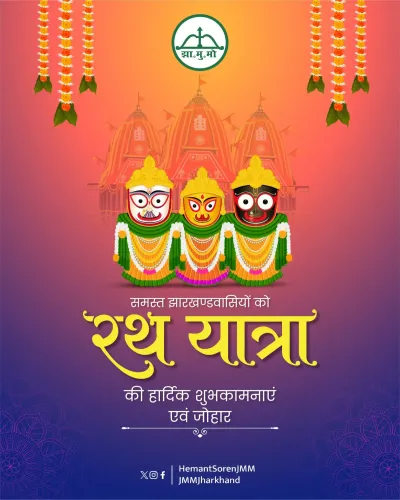
Assam Chief Minister Himanta Biswa Sarma marked Jagannath Snana Yatra 2025 with a social media post invoking blessings of Lord Jagannath, Lord Balabhadra, and Devi Subhadra. The festival, observed on the full moon of Jyeshtha, sets off the sacred Anasara period before the grand Rath Yatra — making it the ceremonial starting point of the Jagannath devotional calendar.
Key Takeaways
Assam CM Himanta Biswa Sarma extended Snana Yatra greetings on 29 June , praying for peace, health, and prosperity for all.
Snana Yatra , or Deba Snana Purnima , falls on the full moon of the Hindu month of Jyeshtha .
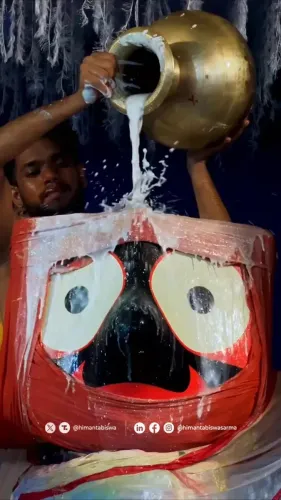
The deities — Lord Jagannath , Lord Balabhadra , and Devi Subhadra — are ceremonially bathed with 108 pots of sacred water.
Following the ritual, the deities enter a fortnight-long seclusion called 'Anasara' before reappearing for Rath Yatra .
The primary celebration is held at the Jagannath Temple, Puri, Odisha , with observances across Assam and other states.
Assam Chief Minister Himanta Biswa Sarma on Monday, 29 June extended greetings to devotees nationwide on the occasion of Snana Yatra, the ceremonial bathing festival of Lord Jagannath, praying for peace, happiness, good health and prosperity for every household. The Chief Minister took to social media to mark the sacred event, which falls on the full moon day of the Hindu month of Jyeshtha.
What Himanta Sarma Said
In his social media post, Sarma paid obeisance to Lord Jagannath, Lord Balabhadra, and Devi Subhadra, calling the annual ritual a deeply revered occasion in the Hindu calendar. 'On the sacred occasion of the Snana Yatra, millions of humble obeisances at the lotus feet of Lord Sri Jagannath, Lord Balabhadra, and Devi Subhadra,' the Chief Minister wrote.
He further invoked the blessings of the deities for the well-being of all. 'May the boundless grace of the Supreme Lord infuse every life with happiness, peace, excellent health, and prosperity. Jai Jagannath,' Sarma added in his post.
The Significance of Snana Yatra
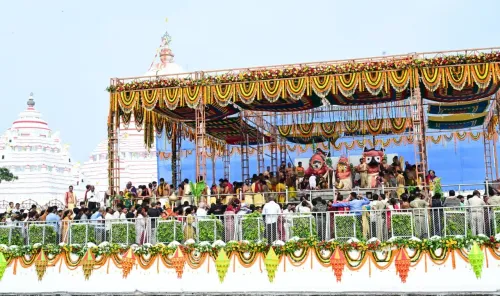
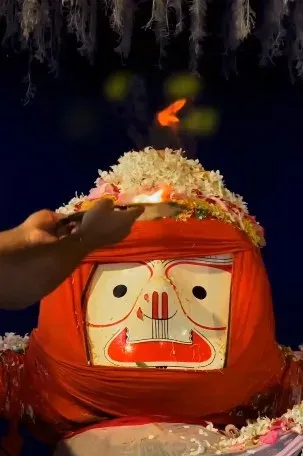
Snana Yatra, also known as Deba Snana Purnima, is one of the most significant rituals in the Jagannath tradition. During the ceremony, the presiding deities — Lord Jagannath, Lord Balabhadra, and Devi Subhadra — are ceremonially bathed with 108 pots of sacred water drawn from a specially designated well within the temple premises.
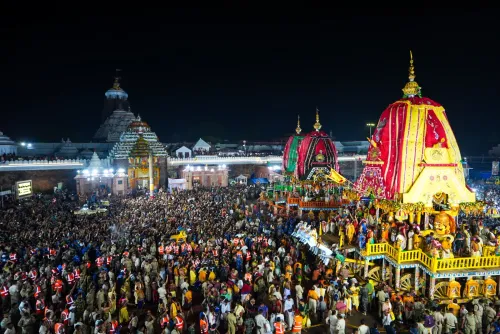
The ritual is most prominently observed at the Jagannath Temple in Puri, Odisha, where thousands of devotees gather each year to witness the elaborate bathing ceremony. This year's observance follows the same centuries-old tradition that draws pilgrims from across the country.
The Anasara Period and Rath Yatra Connection
According to tradition, the deities are believed to fall ill following the elaborate bathing ritual and are kept away from public view for a fortnight-long period known as 'Anasara'. During this time, temple priests perform special restorative rituals before the deities reappear publicly during the annual Rath Yatra — one of the largest religious processions in the world.
This ritual sequence — Snana Yatra followed by Anasara and then Rath Yatra — forms the ceremonial arc at the heart of the Jagannath devotional calendar, making Snana Yatra the formal beginning of this sacred cycle.
Celebrations Across Assam and India
Snana Yatra is observed with religious fervour across several states, including Assam, where Jagannath temples organise special prayers, devotional programmes, and community feasts to mark the occasion. The Chief Minister's greetings reflect the festival's reach well beyond Odisha, underscoring its pan-Indian significance in the Hindu religious calendar.
Point of View
But it points to a broader political pattern: BJP-governed states have increasingly used Hindu festival moments for visible public messaging, reinforcing cultural alignment with the party's core voter base. For Assam specifically, where Vaishnavite traditions run deep alongside the Jagannath cult, such gestures carry both devotional and electoral weight. The more substantive story is the festival itself — Snana Yatra's role as the ceremonial trigger for the Rath Yatra cycle rarely gets the national coverage it deserves outside Odisha.
NationPress
27 Sept 2026
Frequently Asked Questions
What is Jagannath Snana Yatra?
Snana Yatra, also called Deba Snana Purnima, is an annual Hindu festival on which Lord Jagannath, Lord Balabhadra, and Devi Subhadra are ceremonially bathed with 108 pots of sacred water. It falls on the full moon day of the Hindu month of Jyeshtha and is most prominently observed at the Jagannath Temple in Puri, Odisha.
Why did Himanta Biswa Sarma extend Snana Yatra greetings?
Assam Chief Minister Himanta Biswa Sarma posted greetings on social media on 29 June to mark the occasion of Snana Yatra, invoking the blessings of Lord Jagannath, Lord Balabhadra, and Devi Subhadra for peace, happiness, health, and prosperity for all citizens.
What happens after Snana Yatra?
After the ceremonial bathing, the deities are believed to fall ill and are kept away from public view for a fortnight in a period known as 'Anasara'. Temple priests perform special rituals during this time before the deities reappear for the annual Rath Yatra.
Where is Snana Yatra primarily celebrated?
Snana Yatra is primarily celebrated at the Jagannath Temple in Puri, Odisha, where thousands of devotees gather each year. It is also observed across Assam and other parts of India, where Jagannath temples hold special prayers, devotional programmes, and community feasts.
What is the connection between Snana Yatra and Rath Yatra?
Snana Yatra marks the beginning of the sacred ritual cycle that culminates in Rath Yatra. The ceremonial bathing is followed by the Anasara seclusion period, after which the deities reappear publicly for the grand chariot procession of Rath Yatra.