IMD Issues Heatwave & Rain Alert for Rajasthan: 44°C Recorded
Synopsis
Rajasthan is caught between a brutal heatwave — with Barmer hitting 44.1°C — and incoming thunderstorms as a western disturbance approaches. The IMD's dual alert covering 16 districts signals increasingly erratic pre-monsoon weather patterns, raising urgent questions about climate resilience in one of India's most heat-vulnerable states.
Key Takeaways
The IMD issued a dual weather alert for Rajasthan on April 25, 2025 , covering both heatwave conditions and incoming thunderstorms.
Barmer recorded the state's highest temperature at 44.1°C , with at least 24 cities logging temperatures between 40°C and 44°C .
Heatwave warnings are active for Alwar, Bharatpur, Dausa, Deeg, Dholpur, Karauli, and Bikaner .
A western disturbance is expected to trigger thunderstorms and light rain across 16 districts by approximately April 27–28 .
Hanumangarh recorded the hottest night of the season at 31.2°C , even as isolated drizzle was reported in some parts of the district.
Cities including Jaisalmer, Jodhpur, Ajmer, Nagaur, and Pali have already broken their highest seasonal temperature records for 2025 .
Rajasthan is facing a severe dual weather crisis as the India Meteorological Department (IMD) issued simultaneous alerts for intense heatwave conditions and thunderstorms with light rainfall across different parts of the state on April 25, 2025. Temperatures soared as high as 44.1°C in Barmer, while a western disturbance is expected to bring partial relief to nearly 16 districts within the next 48 hours. Residents across the state are being urged to take precautions against extreme heat.
Heatwave Grips Northwestern Rajasthan
The IMD has confirmed that scorching heatwave conditions will persist across Rajasthan on April 25 and 26, with temperatures projected to climb by an additional 1 to 2 degrees Celsius during this period. Radheshyam Sharma, Director of the Meteorological Centre, Jaipur, confirmed that the northwestern districts will bear the brunt of the extreme heat, with some areas expected to record temperatures between 44°C and 45°C.
Over the past 24 hours, at least 24 cities recorded maximum temperatures ranging between 40°C and 44°C. Barmer emerged as the hottest city, clocking 44.1°C, while Jaipur experienced one of its hottest days of the season so far.
Formal heatwave warnings have been issued for districts including Alwar, Bharatpur, Dausa, Deeg, Dholpur, Karauli, and Bikaner. Several other cities — including Ajmer, Tonk, Jaisalmer, Jodhpur, Nagaur, Jalore, and Pali — have already breached their seasonal temperature records, underscoring the widespread and intensifying nature of this heatwave event.
Western Disturbance to Bring Thunderstorms and Rain
A western disturbance is forecast to become active over Rajasthan within the next two days, triggering gusty winds, dust storms, thunderstorms, and light rainfall across approximately 16 districts. This meteorological shift is expected to offer temporary but significant relief from the ongoing extreme heat.
Alerts for gusty winds, thunderstorms, and light rain have already been issued for parts of Sikar, Churu, Jhunjhunu, and Nagaur for Saturday. On Friday, early signs of a weather transition were visible in northwestern Rajasthan, with cloud cover developing over Churu, Hanumangarh, Jhunjhunu, and Bikaner, accompanied by dusty winds in the evening hours.
Isolated areas in Hanumangarh even reported light drizzle — a rare occurrence given the prevailing heat. However, Hanumangarh simultaneously recorded the hottest night of the season at 31.2°C, reflecting how the transition period can bring discomfort on multiple fronts.
Ground-Level Impact and Mitigation Efforts
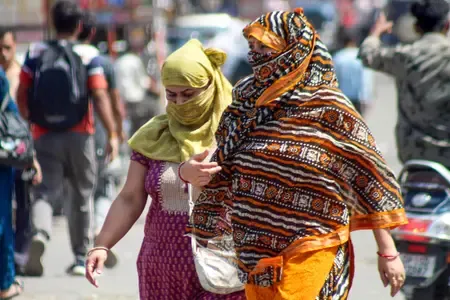
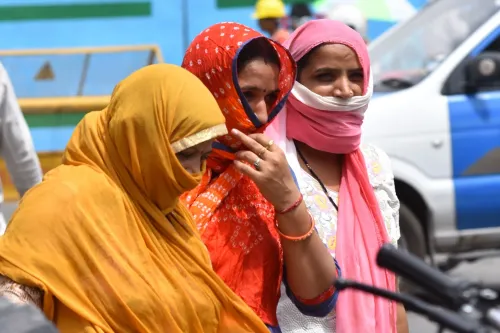
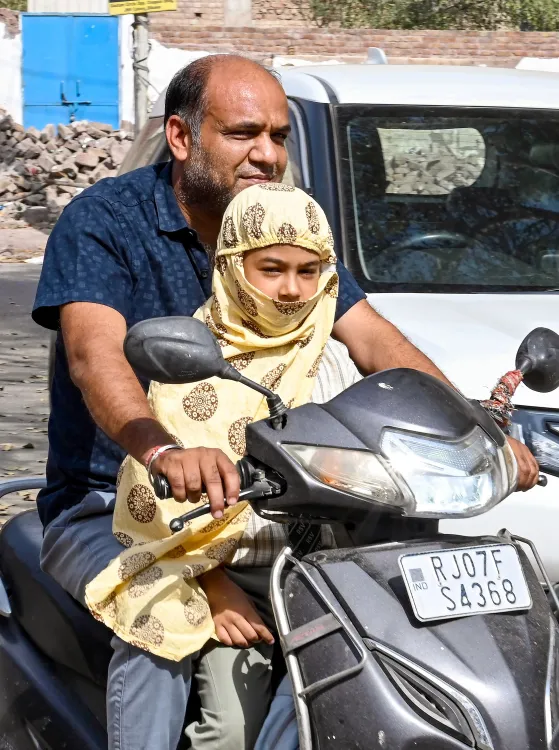
Authorities in Alwar have begun proactive mitigation measures, including water sprinkling on roads to reduce surface temperatures and provide temporary relief to pedestrians and residents. Public health advisories are being circulated urging people to stay indoors during peak afternoon hours, remain well-hydrated, and avoid prolonged exposure to direct sunlight.
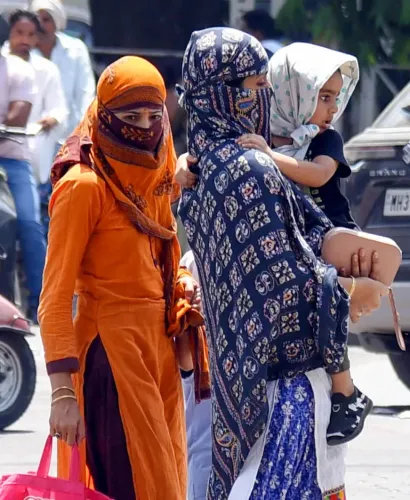
The human cost of such extreme heat events is significant. Vulnerable populations — including outdoor laborers, elderly citizens, children, and livestock — face heightened risks of heat exhaustion and heatstroke when temperatures breach the 44°C mark for consecutive days. The lack of adequate cooling infrastructure in rural districts compounds the danger considerably.
Broader Pattern: Rajasthan's Escalating Heat Crisis
This dual alert is not an isolated incident. Rajasthan has historically been one of India's most heat-vulnerable states, but meteorological data increasingly suggests that extreme heat events are arriving earlier, lasting longer, and reaching higher peak temperatures each successive year. This comes amid growing concerns about climate change amplifying pre-monsoon heat stress across northwestern India.
The IMD's simultaneous issuance of both heatwave and storm alerts reflects the increasingly erratic nature of pre-monsoon weather patterns. While a western disturbance offers short-term relief, it also brings the risk of dust storms that can damage crops, disrupt power supply, and pose visibility hazards on highways — replacing one set of risks with another.
Notably, cities like Jaisalmer and Jodhpur recording their highest seasonal temperatures this early in the pre-monsoon period raises concerns about what peak summer months may bring if the trajectory continues.
What Rajasthan Residents Should Expect Next
Meteorologists indicate that once the western disturbance fully activates — likely by April 27–28 — widespread thunderstorm and dust storm activity will sweep across multiple districts, temporarily pulling temperatures down. However, residents should remain alert to associated risks such as strong winds and reduced visibility.
The IMD is expected to issue updated forecasts as the disturbance strengthens. Authorities across affected districts are advised to keep emergency response teams on standby. With the monsoon still weeks away, sustained relief from the heatwave remains a distant prospect for most of Rajasthan.
Point of View
Weeks before peak summer, should alarm policymakers far beyond the weather bureau. What's missing from the official response is a long-term heat action plan that goes beyond road-sprinkling — addressing the structural gaps in cooling infrastructure, early warning dissemination in rural areas, and labor protections for those who cannot simply 'stay indoors.' The dual alert is not just a weather story; it is a governance stress test.
NationPress
19 Sept 2026
Frequently Asked Questions
What weather alert has IMD issued for Rajasthan on April 25, 2025?
The IMD has issued a dual weather alert for Rajasthan, warning of intense heatwave conditions persisting through April 25–26 alongside thunderstorms and light rainfall expected in approximately 16 districts as a western disturbance becomes active. Temperatures in some northwestern areas could reach between 44°C and 45°C.
Which city recorded the highest temperature in Rajasthan recently?
Barmer recorded the highest temperature in Rajasthan at 44.1°C over the past 24 hours. At least 24 cities across the state logged maximum temperatures between 40°C and 44°C during the same period.
When will Rajasthan get relief from the heatwave?
A western disturbance is expected to become active over Rajasthan around April 27–28, bringing thunderstorms, dust storms, and light rainfall that will offer temporary relief from the heatwave. However, sustained relief from extreme heat is unlikely until the monsoon arrives.
Which districts in Rajasthan have heatwave warnings?
Heatwave warnings have been issued for Alwar, Bharatpur, Dausa, Deeg, Dholpur, Karauli, and Bikaner. Additionally, thunderstorm and gusty wind alerts have been issued for Sikar, Churu, Jhunjhunu, and Nagaur.
What precautions should Rajasthan residents take during the heatwave?
Residents are advised to stay indoors during peak afternoon hours, drink plenty of water to remain hydrated, and avoid prolonged direct exposure to sunlight. Authorities in Alwar have also begun sprinkling water on roads to reduce surface temperatures.