Is India's Acceptance of Taliban Representative a Pragmatic Engagement?
Synopsis
India's acceptance of a Taliban representative raises questions about diplomatic strategies. This article delves into the implications of this engagement while distinguishing it from formal recognition, exploring its effects on regional dynamics and humanitarian responsibilities.
Key Takeaways
India's engagement with the Taliban is pragmatic, not recognition.
Essential consular services for Afghan refugees are a priority.
This move impacts regional diplomatic dynamics, particularly with China and Pakistan.
India aims to balance humanitarian efforts while navigating complex political landscapes.
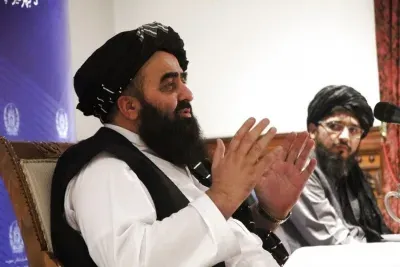
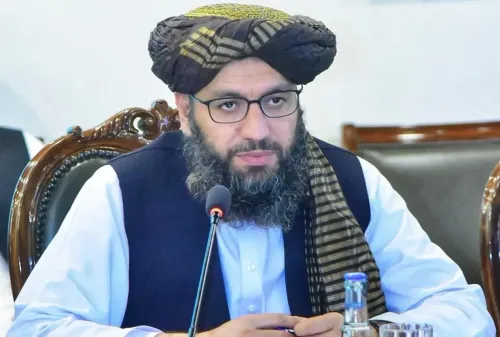
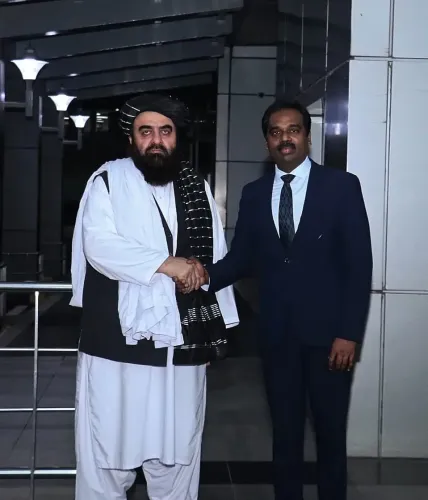
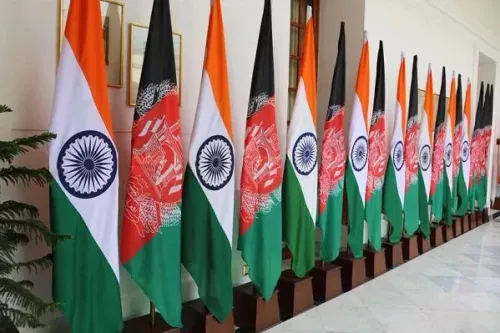
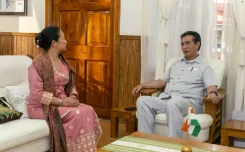
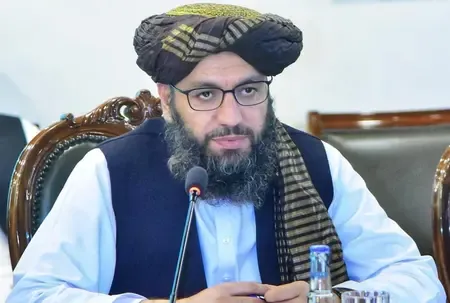
New Delhi, Jan 10 (NationPress) The reported arrival of Taliban figure Mufti Noor Ahmad Noor in New Delhi as Charge d'Affaires at the Afghan Embassy has sparked minimal backlash, with some media labeling it a diplomatic maneuver. However, India's subtle acceptance of a Taliban representative in the capital reflects a strategy of pragmatic engagement rather than an official recognition of the Kabul government.
This development complicates the joint initiatives of Beijing and Islamabad aimed at fully integrating Afghanistan into the China-Pakistan Economic Corridor (CPEC), a crucial component of China's vast Belt and Road Initiative (BRI).
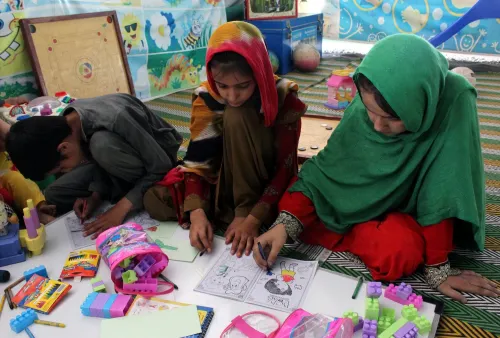
For India, having Kabul's representative is essential for the numerous Afghan refugees residing in the country who require consular services for passport verification, which is vital for visa processing and their continued stay.
These refugees also seek clearance from the Embassy and the United Nations High Commissioner for Refugees (UNHCR) to authenticate their refugee status and facilitate banking operations.
Faisal Payenda, the Chairman of the Afghan Refugee Community in India, states that Delhi alone accommodates around 15,000 Afghan refugees.
Globally, several nations have hosted Taliban-designated diplomats, referring to them as "Charge d'Affaires" or "representatives" without formally recognizing them as Ambassadors.
China aims to leverage economic incentives to ensure Kabul's alignment with its interests.
New Delhi's outreach has countered Beijing's similar diplomatic arrangements, though both stop short of formal recognition.
As of now, only Russia has officially recognized the Taliban government.
Beijing demands Taliban assurances against Uyghur militants and seeks broader anti-terrorism collaboration.
Despite strengthening ties, China has not formally recognized the Taliban, opting for a cautious approach of "engagement without endorsement."
Allowing Mufti Noor Ahmad to assume his role at the Afghan Embassy in New Delhi constitutes a practical arrangement, as India clarifies that it does not diplomatically acknowledge the Taliban regime.
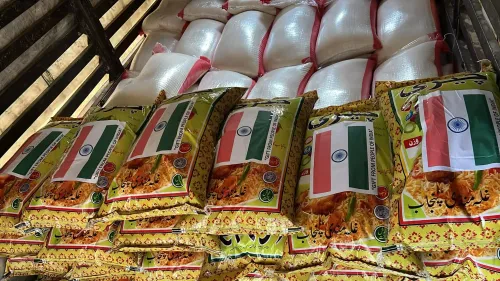
New Delhi facilitates representation for consular and community services and has long been a contributor of aid and humanitarian support.
The presence of the Taliban in Delhi indicates their pursuit of legitimacy beyond Islamabad and Beijing, particularly as increasing tensions with Pakistan have resulted in the closure of the Afghan border, disrupting trade and human movement.
This current cautious engagement serves as a counterbalance, where the representative can provide consular services without mandating India to take a political stance on recognition.
As the Taliban seeks legitimacy, they are likely to continue balancing their relations with regional powers like India, China, and Russia before making any definitive commitments.
Despite various challenges, India must persist in maintaining relationships and investing in humanitarian and reconstruction initiatives in Afghanistan to cultivate goodwill and counteract the strategic maneuvers by other nations.
Point of View
I believe that India's approach to the Taliban's presence reflects a careful balancing act. It allows for essential consular services for Afghan refugees without conceding political recognition, demonstrating a commitment to humanitarian support while navigating complex regional dynamics.
NationPress
22 Sept 2026
Frequently Asked Questions
Why is India allowing a Taliban representative?
India's acceptance of a Taliban representative is primarily aimed at facilitating consular services for Afghan refugees residing in India, ensuring they have access to necessary documentation and support.
Does India recognize the Taliban government?
No, India does not formally recognize the Taliban government but allows for the presence of a representative for practical engagement and humanitarian reasons.
What are the implications of this engagement?
This engagement complicates China's and Pakistan's efforts to integrate Afghanistan into their economic initiatives while allowing India to maintain humanitarian support without political endorsement.