Have High Expectations for India–US Relations Under Trump Diminished?
Synopsis
The relationship between India and the US, once filled with high hopes under Trump, has now faced significant challenges. Joshua T. White, a former White House official, shares insights on the changing dynamics and the skepticism surrounding the future of this crucial partnership. Dive into the complexities of diplomatic relations amidst shifting political landscapes.
Key Takeaways
High expectations for India-US relations under Trump have diminished.
Optimism faded due to various personal and political factors.
Some cooperation continues in defense and technology .
Concerns exist about India's capacity as a long-term security partner.
Immigration policies have eroded trust between the two nations.
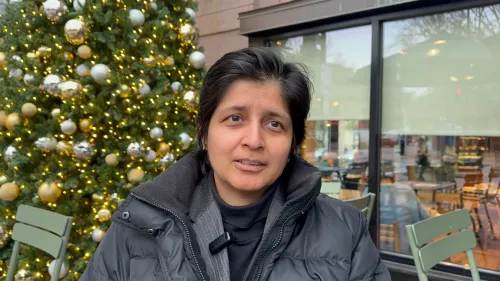
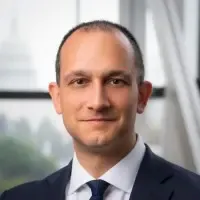
Washington, Jan 11 (NationPress) The once high hopes for the India–US relationship during the presidency of Donald Trump have significantly diminished, with both enthusiasm and ongoing political engagement sharply declining compared to previous years, as noted by Joshua T. White, a former White House official and recognized South Asia analyst.
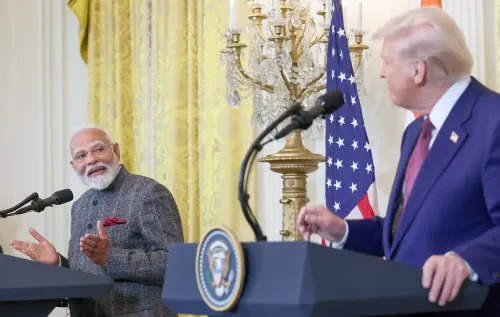
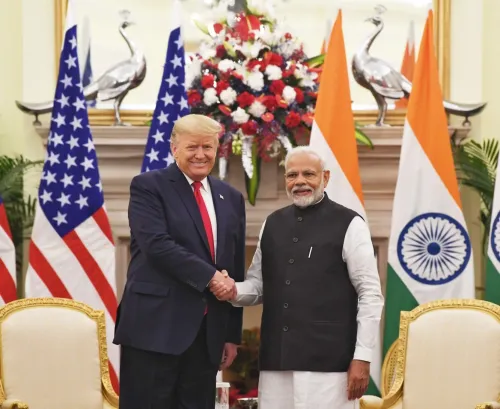
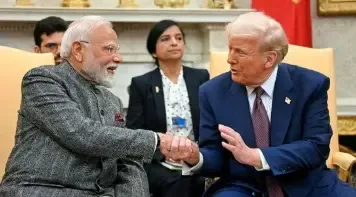
“It’s evident that we find ourselves in a challenging situation,” White stated, referencing the initial optimism at the beginning of Trump’s presidency that has since faded. He emphasized that there were “great expectations for the partnership when Trump assumed office,” stemming from his earlier connection with Prime Minister Narendra Modi and the presence of officials perceived to favor closer relations.
According to White, that optimism waned throughout the spring and summer of 2025. “The relationship appears to have derailed,” he remarked, adding that while he didn’t see grounds for total pessimism, there is now “a greater level of skepticism, and perhaps realism, both in the United States and in India regarding the future prospects of this partnership.”
White acknowledged that some collaboration persists. “The fact that certain sectors have continued to progress — including defense, technology, and some commercial interactions — is notable,” he mentioned. However, he pointed out that the degree of political focus has dropped significantly. In contrast to the Biden administration, where there was “a considerable allocation of time and investment,” that attention “appears to have shifted dramatically.”
When questioned about the cause of this shift, White identified a combination of personal, political, and structural aspects. “Part of it is undoubtedly tied to President Trump himself,” he explained, referencing Trump’s response following the May conflict between India and Pakistan and his belief that India did not express adequate gratitude. He also noted that Pakistan’s leadership “clearly recognized an opportunity and sought to engage President Trump,” while India “for both personal and political reasons” opted not to.
Furthermore, White mentioned an ongoing debate in Washington regarding the benefits derived from the US-India partnership. “Part of it boils down to a straightforward inquiry: what is the US gaining from its relationship with India?” he stated, acknowledging commercial and cultural connections while expressing concerns about India’s capability as a reliable long-term security ally.
“India has, frankly, faced difficulties in defending its own borders and maritime areas,” he highlighted, adding that this raises questions about whether India “can be a genuine and valuable security provider in its region.”
The overall outcome, according to White, is an increasing doubt in Washington concerning the long-term merits of this partnership. “I believe it has prompted many in Washington to reconsider the value of cultivating a sustained relationship with India over the long term,” he indicated.
White pointed out that immigration policies implemented during Trump’s tenure have also diminished trust. He remarked on the “very real perception that Indian Americans contribute significantly to the American economy and society,” adding that these policies have undermined confidence that had been established over time.
White observed that the relationship has evidently regressed. “There’s no denying that the relationship has taken steps back,” he noted, suggesting that Indian leaders would be “naturally cautious about investing too much trust in the reliability of the United States as a partner.”
Looking towards the future, White advised caution regarding predictions. “Making predictions during the Trump administration is a risky endeavor,” he stated. He proposed that Trump might pursue a deal to claim credit, potentially involving trade and tariffs, but cautioned that deeper trust has been compromised.
“There’s a tangible risk” of stagnation, White asserted, contending that fostering partnerships demands ongoing senior-level attention. He indicated that it is “quite plausible” that even if rhetoric improves, the administration “may not devote substantial effort to strengthening the relationship.”
Regarding India’s relations with Russia and China, White noted that US concerns about Moscow were largely recognized and manageable. However, a “substantive rapprochement” with China would be “extremely concerning to the United States,” although he deemed such an outcome unlikely.
Dr. White previously held the position of Senior Advisor and Director for South Asian Affairs at the National Security Council, where he collaborated with President Barack Obama and the National Security Advisor on a comprehensive range of South Asia policy issues relevant to India, Pakistan, Afghanistan, and the Indian subcontinent.
Point of View
I believe that the evolving dynamics between India and the US under Trump's administration warrant careful examination. Understanding these shifts is crucial for grasping the broader implications for international relations and regional stability, ensuring that we remain informed and engaged with these critical developments.
NationPress
27 Sept 2026
Frequently Asked Questions
What were the initial expectations for India–US relations under Trump?
Initially, there were high hopes for the partnership, stemming from Trump's rapport with Prime Minister Modi and supportive officials.
What factors contributed to the decline in optimism?
Personal, political, and structural factors, including Trump's reactions to the India-Pakistan conflict, played a role in diminishing expectations.
Is there still some cooperation between India and the US?
Yes, areas such as defense, technology, and commercial relations have continued, although political focus has decreased.
What concerns exist regarding India's long-term security partnership with the US?
Concerns include India's capacity to defend its own borders and its effectiveness as a security provider in the region.
How have immigration policies impacted trust between the two nations?
Trump's immigration policies have eroded trust, despite the significant contributions of Indian Americans to the US economy.