India and US Launch Key Trade Negotiations
Synopsis
India and the US have initiated important trade talks in Washington aimed at finalizing a long-awaited trade deal, addressing tariffs, and enhancing economic collaboration between the two nations.
Key Takeaways
India and the US are in crucial trade negotiations.
The talks aim to finalize an interim trade agreement.
New US tariffs complicate previous agreements.
India proposes tariff reductions on various US goods.
The negotiations are significant for future economic collaboration.
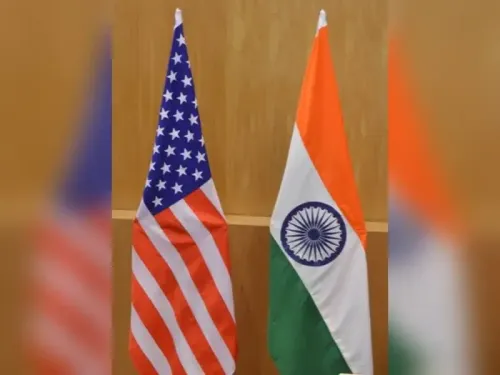
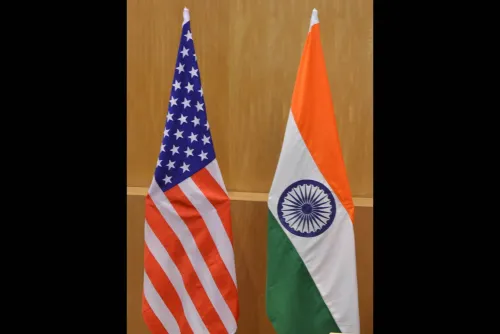
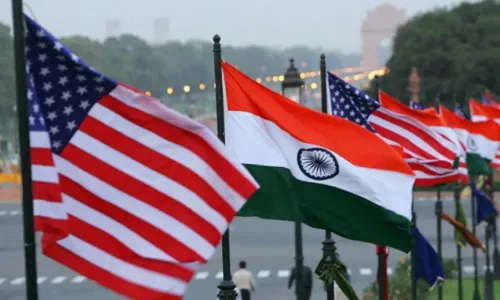
Washington, April 20 (NationPress) A new chapter in trade relations has commenced as India and the United States kicked off a significant round of trade discussions on Monday, with the aim of finalizing the much-anticipated trade agreement between the two nations.
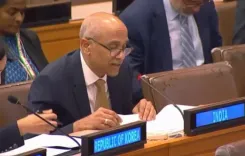
A delegation of approximately twelve Indian officials arrived in the capital of the US for a three-day dialogue, scheduled from April 20 to 22. This team is headed by India’s chief negotiator, Darpan Jain, who serves as an Additional Secretary in the Department of Commerce, accompanied by representatives from the Customs Department and the External Affairs Ministry.
These discussions represent the next phase in the negotiations for the first segment of a bilateral trade agreement (BTA), building on previous rounds that sought to finalize an interim arrangement. Officials have indicated that the meeting in Washington is poised to advance the conversations previously held regarding the interim trade agreement.
The timing of these negotiations is critical, as the US tariff landscape has seen significant alterations, complicating past agreements. Following a ruling from the US Supreme Court against extensive tariffs imposed under emergency powers, a temporary 10 percent tariff on imports from all countries was instituted for 150 days starting February 24.
This alteration has reshaped the negotiating context. Previously, the US had consented to lower tariffs on Indian goods to 18 percent from peaks of 50 percent, including the removal of specific punitive duties related to India's acquisition of Russian oil. However, the generalized tariff has lessened India’s competitive edge, compelling both parties to reevaluate the agreement's framework.
Officials have suggested that the new tariff conditions may require a recalibration of the agreement initially proposed on February 7.
In addition to tariffs, discussions are anticipated to cover ongoing unilateral investigations initiated by the US Trade Representative under Section 301 of US trade law. India has dismissed the claims made in these investigations, arguing they are not well-founded and has requested their cessation.
Another significant topic likely to arise during the talks is a broader inquiry into whether policies regarding the prohibition and limitation of goods produced using forced labor are sufficient and how these practices may impact US trade interests.
The current round of negotiations also holds diplomatic weight as it precedes a planned visit by US Secretary of State Marco Rubio to New Delhi next month.
Previous negotiations had progressed significantly, with India proposing to cut or eliminate tariffs on a variety of US industrial goods and agricultural products, which include soybean oil, tree nuts, fruits, wine and spirits, and animal feed products.
India has also expressed its readiness to increase imports from the US, aiming for purchases worth $500 billion over five years across various sectors such as energy, aviation, technology, precious metals, and coking coal.
This latest round follows a delay of a February meeting between chief negotiators after the US court ruling on tariffs, with both parties deciding to reassess developments before renewing formal discussions.
India and the United States stand as two of the world’s largest trading partners, with bilateral trade encompassing goods, services, and technology. Efforts to finalize a limited trade deal have been ongoing for several years, as both sides strive to balance market access with domestic considerations.
The proposed agreement is perceived as a foundational step towards a broader economic collaboration, even as disparities over tariffs, regulatory standards, and market access continue to influence negotiations.
Point of View
With both nations seeking to solidify a comprehensive agreement that addresses tariffs and fosters economic growth while navigating domestic sensitivities.
NationPress
19 Sept 2026
Frequently Asked Questions
What is the purpose of the India-US trade talks?
The trade talks aim to finalize a long-awaited trade deal between India and the US, addressing tariffs and enhancing economic collaboration.
Who is leading the Indian delegation in the talks?
The Indian delegation is led by Darpan Jain, an Additional Secretary in the Department of Commerce.
What changes have impacted the trade negotiations?
Recent changes in the US tariff regime, including a temporary 10% tariff on imports, have altered the negotiating landscape.
What other issues will be discussed in the trade talks?
The talks will also address ongoing investigations into forced labor policies and their impact on US trade interests.
What is the significance of these negotiations?
These talks represent a crucial step towards a broader economic partnership between India and the US, balancing market access with domestic concerns.