Wheat Output 2025–26: No Pest Threat, Record Procurement Signals Strong Harvest
Synopsis
India's wheat season 2025–26 defies weather fears — no major pest outbreak, 33.4 million hectares sown, Haryana procurement already 9 LMT above last year, and Madhya Pradesh's target raised from 78 to 100 LMT. A resilient harvest could reshape India's wheat export policy and ease food inflation pressure.
Key Takeaways
No major insect pests or diseases were reported during India's 2025–26 wheat season , with weed infestation also remaining minimal throughout critical growth stages.
Wheat was sown across 33.4 million hectares this season — an expansion over the previous year, aided by widespread adoption of early sowing practices .
Haryana procured 56.13 LMT of wheat, already 9 LMT above last year's corresponding figure and exceeding its original procurement target of 75 LMT .
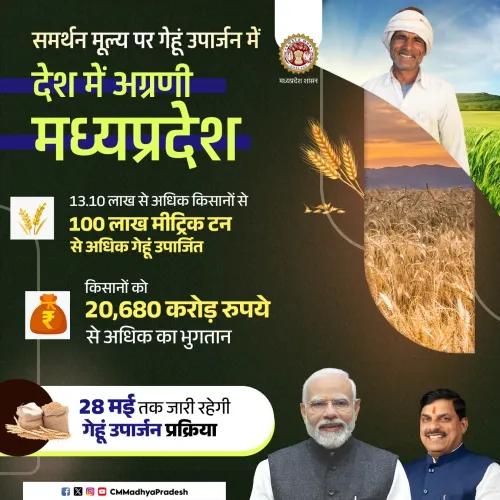
Madhya Pradesh's wheat procurement target was revised upward from 78 LMT to 100 LMT mid-season due to stronger-than-expected output.
Maharashtra's wheat production for 2025–26 is estimated at 22.90 lakh tonnes , reflecting steady growth in a non-traditional wheat state.
An additional 0.6 million hectares brought under cultivation and accelerated uptake of climate-resilient wheat varieties are expected to offset localised losses from February heat stress and hailstorms.
India's wheat production for the 2025–26 rabi season is on a stable and optimistic trajectory, the Ministry of Agriculture and Farmers Welfare confirmed on Sunday, April 27, 2025. Despite weather-related disruptions during the season, the government emphasized that strong adaptive farming practices, expanded cultivation area, and robust mandi arrivals collectively point to a healthy national harvest. Crucially, no major insect pest or disease outbreak was recorded during the entire crop cycle.
Crop Area Expansion and Healthy Field Conditions
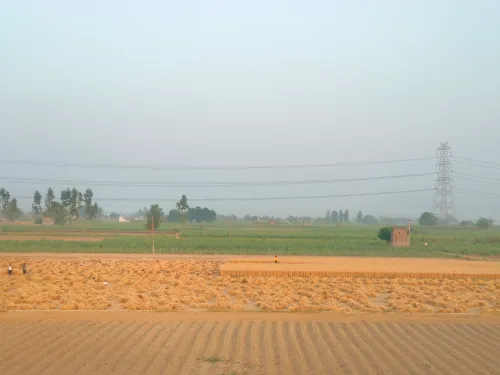
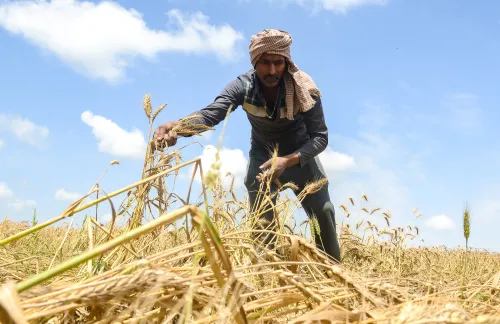
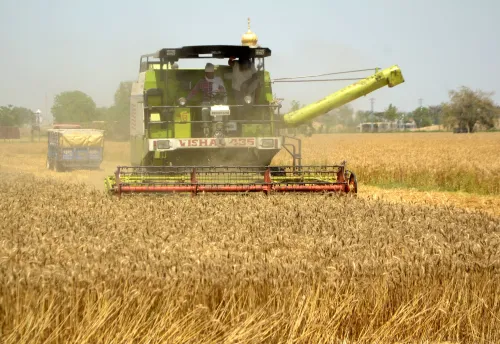
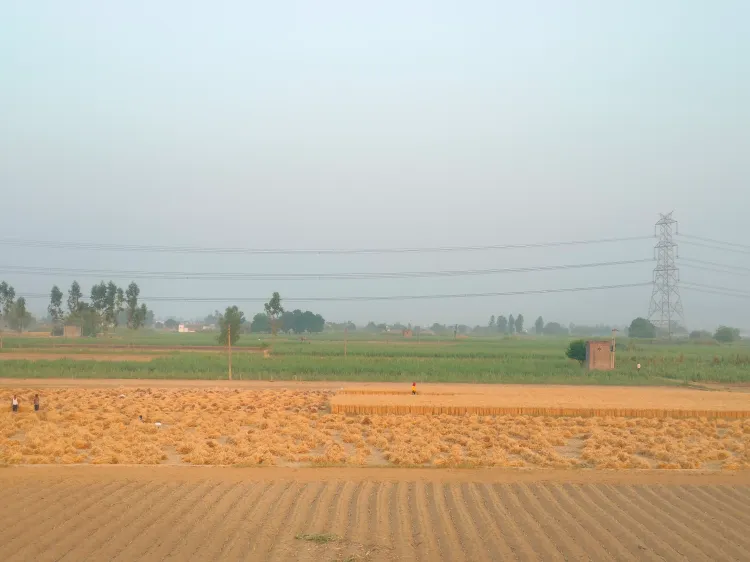
The wheat crop was sown across an estimated 33.4 million hectares this season — a notable expansion in acreage compared to the previous year. Officials credit this growth largely to the widespread adoption of early sowing practices, which allowed crops to avoid terminal heat stress during the sensitive grain-filling phase.
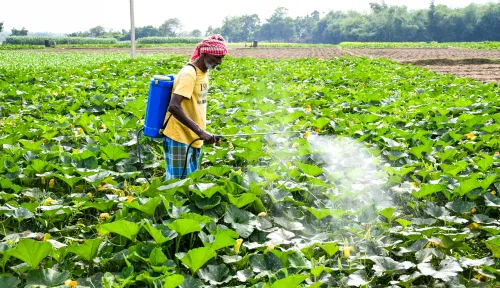
Equally significant is the near-complete absence of biotic stress. The government confirmed no reported incidences of major insect pests or diseases throughout the season, and weed infestation remained minimal during critical growth stages — factors that collectively bolstered overall crop health and yield potential.
Climatic Challenges Could Not Derail the Season
The season was not entirely smooth. Unusually high temperatures in February 2025 subjected the crop to heat stress precisely during the grain-filling stage, raising concerns about yield reduction in vulnerable regions. Subsequently, untimely rainfall and hailstorms near crop maturity caused localised damage, affecting both grain quality and output in scattered pockets.
However, the government pointed to compensating factors that have cushioned the overall impact. An additional 0.6 million hectares brought under wheat cultivation is expected to offset localised losses. The accelerated varietal replacement rate — pushing uptake of high-yielding, climate-resilient, and disease-resistant wheat varieties — has further strengthened the crop's ability to withstand both heat and biotic pressures.
Record Procurement in Haryana and Madhya Pradesh
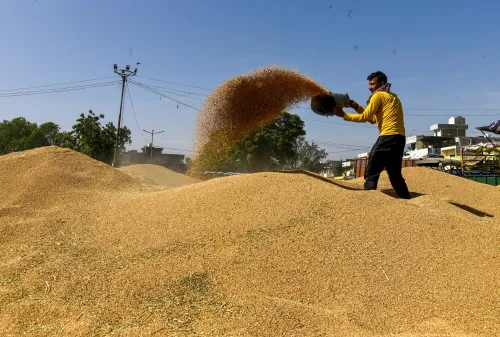
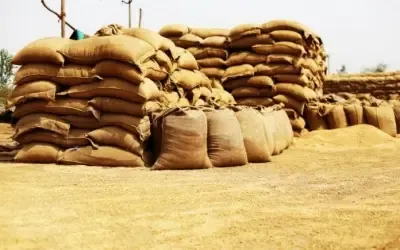
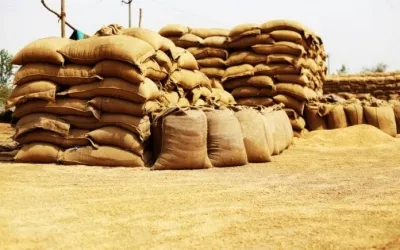
Procurement data from key wheat-producing states adds further confidence to the positive outlook. In Haryana, wheat arrivals at mandis have already surpassed the government's procurement target of 75 lakh metric tonnes (LMT), with 56.13 LMT procured so far — approximately 9 LMT higher than the corresponding period in the previous year.
Madhya Pradesh has reported such strong output that the government was compelled to revise its procurement target upward — from an initial 78 LMT to 100 LMT — following a formal request from the state government. This revision is a clear indicator of above-expectation supply from one of India's largest wheat-producing states.
Maharashtra is also witnessing steady growth, with wheat production for 2025–26 estimated at approximately 22.90 lakh tonnes, according to official government data.
Why This Matters: Food Security and Inflation Implications
India's wheat output directly influences domestic food inflation, procurement for the Public Distribution System (PDS), and the country's ability to maintain strategic grain buffer stocks. A strong harvest reduces pressure on open market wheat prices, which have been a persistent concern over the past two years amid global supply disruptions linked to the Russia-Ukraine conflict.
Notably, India had restricted wheat exports in May 2022 to protect domestic availability after an unexpected heat wave slashed output. A resilient 2025–26 harvest could open policy discussions around easing those export curbs, benefiting farmers seeking better price realisation in international markets.
The government's emphasis on climate-resilient varieties and early sowing also signals a structural shift in India's agricultural adaptation strategy — one that analysts say will be critical as climate volatility intensifies over the coming decades.
What to Watch Next
Final production estimates for the 2025–26 wheat season are expected to be released by the Ministry of Agriculture in the coming weeks as procurement data consolidates. Observers will closely track whether Madhya Pradesh meets its revised 100 LMT target and whether Punjab — India's largest wheat-producing state — reports comparable procurement momentum. Any upward revision in the national output estimate could influence both domestic pricing policy and India's export stance in global grain markets.
Point of View
Not just luck. The revision of Madhya Pradesh's procurement target from 78 to 100 LMT mid-season is a remarkable administrative acknowledgment of ground reality — and a model other states should study. However, the elephant in the room remains India's wheat export ban, now three years old; a strong harvest should force a serious policy conversation about whether Indian farmers deserve access to better global prices.
NationPress
19 Sept 2026
Frequently Asked Questions
What is India's wheat production outlook for 2025–26?
India's wheat production outlook for 2025–26 is cautiously optimistic, with the government describing the season as 'mixed but resilient.' Expanded acreage of 33.4 million hectares, absence of major pest outbreaks, and strong procurement in key states support a stable harvest despite localised weather damage.
How much wheat has Haryana procured in 2025?
Haryana has procured 56.13 lakh metric tonnes (LMT) of wheat so far in 2025, already surpassing its government procurement target of 75 LMT. This figure is approximately 9 LMT higher than the corresponding period in the previous year.
Why was Madhya Pradesh's wheat procurement target increased?
Madhya Pradesh's wheat procurement target was raised from 78 LMT to 100 LMT following a formal request from the state government due to stronger-than-expected wheat output this season. The revision reflects a bumper harvest in one of India's key wheat-producing states.
Did heat waves affect India's wheat crop in 2025?
Yes, unusually high temperatures in February 2025 exposed the wheat crop to heat stress during the grain-filling stage, potentially reducing yields in some regions. However, early sowing practices and climate-resilient varieties helped mitigate the overall impact on national production.
What measures helped India's wheat crop withstand climate stress in 2025?
Key adaptive measures included early sowing across an additional 0.6 million hectares, an improved varietal replacement rate favouring high-yielding and disease-resistant wheat varieties, and minimal weed and pest incidence throughout the season. These factors collectively cushioned the crop against both heat stress and biotic pressures.