Indian Army's Ashni Platoons: Every infantry battalion now drone-ready
Synopsis
Within a year of Operation Sindoor, the Indian Army has embedded a dedicated drone unit — the Ashni Platoon — in every infantry battalion. Under the 'Eagle in the Arm' doctrine, the Army aims for 100% infantry drone proficiency by 2027, marking one of the fastest ground-force drone transformations in Asia.
Key Takeaways
The Indian Army has completed Phase 1 of its drone integration, establishing Ashni Platoons in every infantry battalion.
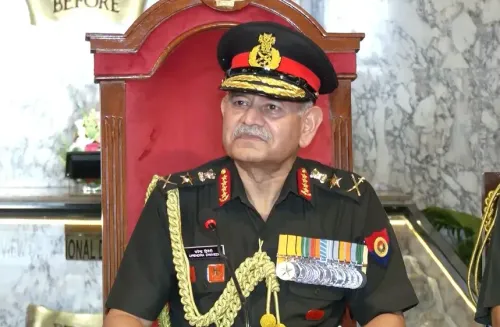
The initiative was launched on Kargil Vijay Diwas by Army Chief General Upendra Dwivedi .
Advanced training involves 15–20 hours of simulator work followed by field exercises, in batches of 20–25 soldiers over two to three weeks .
Drone training centres are operational at IMA Dehradun , Infantry School Mhow , and OTA Chennai .
The Army's 'Eagle in the Arm' doctrine covers combat, surveillance, logistics, and medical evacuation roles for drones.
By 2027 , the Army targets 100% drone proficiency across all infantry personnel.
The Indian Army has completed the first phase of its drone warfare integration programme, establishing dedicated Ashni Platoons in every infantry battalion within a year of Operation Sindoor, defence officials confirmed. The rapid transformation marks a structural shift in India's ground combat doctrine, with drones now treated as frontline weapons rather than auxiliary tools.
The Ashni Platoon Initiative
The initiative was formally launched on Kargil Vijay Diwas last year, when Army Chief General Upendra Dwivedi announced the creation of specialised drone units to be embedded across all Army formations. Officials confirmed that these platoons have now been fully established and deployed across infantry battalions, completing the first phase of the Army's drone induction programme.
Each Ashni Platoon is designed to function as a dedicated drone unit within its formation, trained to operate across multiple roles — combat, surveillance, logistics, and medical evacuation. The Army has codified this approach under a doctrine titled 'Eagle in the Arm', which envisions drones becoming as integral to a soldier's kit as a primary weapon.
Two-Phase Training Architecture
The first phase focused on basic drone proficiency at the unit level, ensuring every soldier in an infantry battalion acquires fundamental operational skills. That phase has been successfully completed, according to officials.
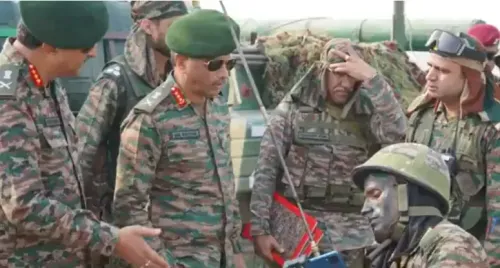
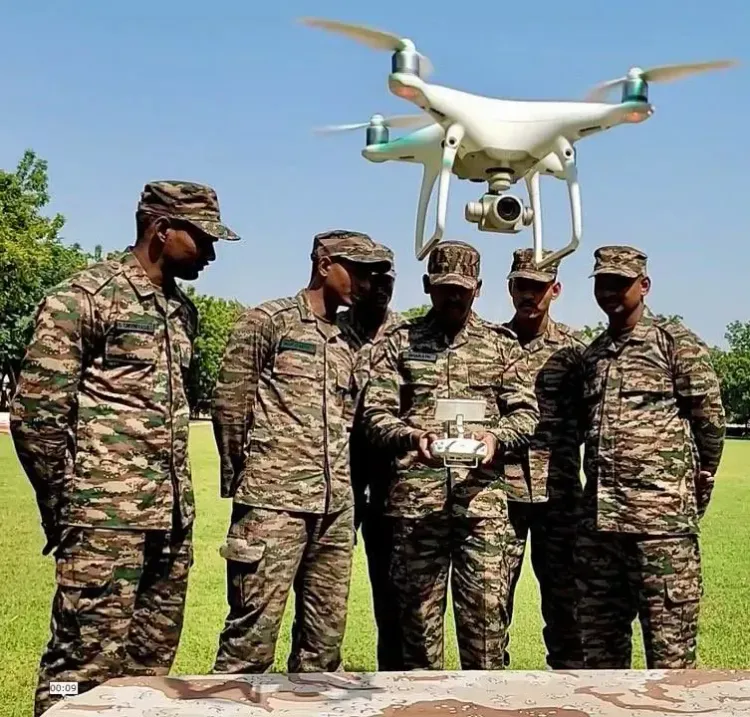
The second phase, currently underway, involves advanced specialised training at the formation level. The most capable operators identified during basic training are selected for intensive instruction conducted in two stages: 15 to 20 hours of simulator-based training covering technical drone operations, followed by field training under real-world conditions to handle operational challenges.
At formation-level training centres, batches of 20 to 25 soldiers undergo rigorous programmes lasting two to three weeks. Notably, the Army is also extending this training to personnel from other services, building joint operational capabilities.
Training Infrastructure Across India
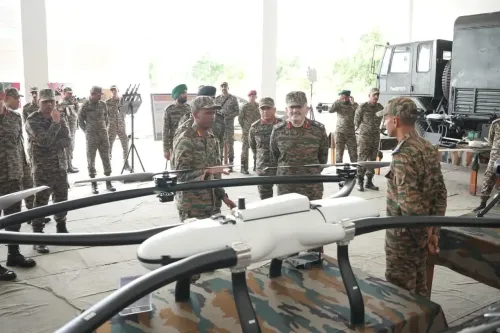
Institutional infrastructure to support the programme is being scaled up rapidly. Drone training centres have been established at the Indian Military Academy in Dehradun, the Infantry School in Mhow (officially known as Dr Ambedkar Nagar), and the Officers Training Academy in Chennai. Dedicated training nodes are being set up and expanded across formations alongside accelerated procurement of advanced drone and counter-drone systems.
Importantly, the training extends beyond enlisted soldiers — officers are also being trained extensively in drone operations, reflecting a comprehensive revision of operational doctrine at all command levels.
Lessons from Operation Sindoor
Defence officials pointed to Operation Sindoor as a key inflection point. During the operation, drones played a critical role not only in surveillance and combat support but also in neutralising enemy aerial threats, with Indian forces reportedly shooting down Pakistani drones. Officials described drones as one of the most decisive and lethal tools in modern warfare, a lesson that directly accelerated the Army's integration timeline.
The training curriculum covers a wide spectrum of applications, including surveillance drones, First Person View (FPV) drones, armed drones, and logistic drones. Troops are simultaneously trained in counter-drone techniques, enabling the Army to build a layered defence system capable of both deploying and neutralising aerial threats.
The 2027 Target
Defence officials stated that the long-term objective is full integration of drone capabilities across the force. The Army's stated goal is that by 2027, 100 per cent of infantry personnel will be proficient in drone operations — a target that, if achieved, would make the Indian Army one of the most drone-capable ground forces in Asia. With the second phase of training actively underway and procurement being accelerated, the pace of transformation suggests the Army is treating this deadline seriously.
Point of View
Not attached, capability. The 2027 deadline for 100% proficiency is aggressive, and the real test will be whether procurement keeps pace with training, given India's historically uneven defence acquisition timelines. Operation Sindoor appears to have provided the political and institutional urgency that years of policy documents could not.
NationPress
19 Sept 2026
Frequently Asked Questions
What is an Ashni Platoon in the Indian Army?
An Ashni Platoon is a dedicated drone warfare unit embedded within an infantry battalion of the Indian Army. Announced on Kargil Vijay Diwas by Army Chief General Upendra Dwivedi, these platoons are trained to operate surveillance, FPV, armed, and logistic drones, as well as counter-drone systems.
What is the Indian Army's 'Eagle in the Arm' drone doctrine?
'Eagle in the Arm' is the Indian Army's conceptual framework for drone integration, which aims to make drones as fundamental to a soldier's equipment as a primary weapon. Under this doctrine, soldiers are trained across combat, surveillance, logistics, and medical evacuation drone roles.
What role did drones play in Operation Sindoor?
During Operation Sindoor, drones were used for surveillance, combat support, and neutralising aerial threats, with Indian forces reportedly shooting down Pakistani drones. Officials cite the operation as a key driver behind the accelerated drone integration programme.
When will the Indian Army complete full drone integration?
The Indian Army has set a target of 2027 for 100% drone proficiency across all infantry personnel. Phase 1 — basic training for all infantry soldiers — has been completed, while Phase 2 advanced training is currently underway.
Where are the Indian Army's drone training centres located?
Drone training centres have been established at the Indian Military Academy in Dehradun, the Infantry School in Mhow (Dr Ambedkar Nagar), and the Officers Training Academy in Chennai, with additional nodes being scaled up across formations.