India Sees 27% Growth in New Business Registrations Driven by Reforms

Synopsis
India has experienced a notable 27% increase in new business registrations, showcasing the effectiveness of recent economic reforms aimed at improving the business landscape. This article delves into the factors driving this growth and the future outlook for entrepreneurs in the country.
Key Takeaways
27% surge in new business registrations 2.16 lakh DPIIT-recognised startups Reforms enhancing ease of doing business Positive sentiment in business expectations Support for entrepreneurship and innovation
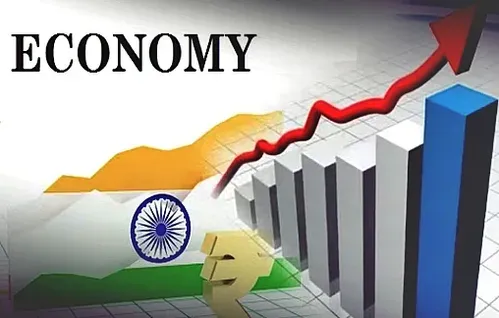
New Delhi, March 5 (NationPress) India has witnessed a remarkable 27 per cent increase in new business registrations, rising from 1.55 lakh in 2020–21 to 1.98 lakh in the first 10 months of 2025–26 (as of February 3, 2026). This growth is attributed to significant economic reforms that have greatly improved the ease of doing business in the nation, as highlighted by an official factsheet released on Thursday.
The Union Budget 2026–27 proposes various initiatives aimed at further enhancing the business ecosystem, including digital trade facilitation, tax certainty, reduced compliance requirements, trust-based customs systems, and a tax regime favorable to investors, according to the official statement.
Institutional reforms like Start-up India, Credit Guarantee Scheme, and digital credit assessment models are fostering a transparent, technology-driven, and investor-friendly environment. These initiatives are complemented by regulatory reforms such as the Jan Vishwas Act, IBC, and MAT, which focus on capacity-building and a governance model founded on trust and accountability.
As of February 2026, India boasts over 2.16 lakh DPIIT-recognised startups, solidifying its status as one of the largest startup ecosystems globally. Reforms initiated since 2016 aim to simplify business operations and facilitate capital raising while reducing compliance burdens. Beyond Startup India, additional initiatives promote technological innovation, rural entrepreneurship, academic research, and regional inclusivity, ensuring that startup support is broad-based and aligned with national development goals.
The RBI’s Business Expectations Index has consistently remained above the neutral benchmark of 100 throughout FY 2024-25 and into the second quarter of FY 2025-26, indicating a strong positive sentiment regarding future output, employment, and investments. These indicators collectively reinforce a resilient industry sentiment and signify a business environment where companies are optimistic about demand and growth.
In recent years, India has positioned itself as a highly attractive destination for both investments and business operations. The country's reform-centric growth strategy focuses on bolstering entrepreneurship, expanding financial access, modernizing regulatory frameworks, and enhancing trade facilitation. These collective efforts not only improve the ease of doing business but also deepen financial inclusion, stimulate innovation, accelerate the growth of MSMEs, and establish India as a competitive hub for global trade and investment, the statement concluded.
Point of View
The recent surge in business registrations in India reflects a robust and evolving economic landscape. The government's commitment to reforming regulations and fostering a supportive environment for startups signals a promising future for entrepreneurs and investors alike, aligning closely with national development priorities.
NationPress
14 Sept 2026
Frequently Asked Questions
What led to the 27% increase in new business registrations in India?
The increase is attributed to significant economic reforms that have improved the ease of doing business in the country, alongside initiatives from the Union Budget 2026–27 aimed at facilitating business operations.
How many startups are recognized by DPIIT in India as of February 2026?
As of February 2026, India has over 2.16 lakh DPIIT-recognised startups, making it one of the largest startup ecosystems in the world.
What are some of the key reforms mentioned in the article?
Key reforms include the Start-up India initiative, Credit Guarantee Scheme, and various regulatory measures such as the Jan Vishwas Act, which aim to create a transparent and investor-friendly environment.
What does the RBI's Business Expectations Index indicate?
The RBI’s Business Expectations Index has remained above the neutral benchmark of 100, indicating positive sentiment regarding future business output, employment, and investment.
How does India position itself as an attractive destination for business?
India's reform-driven growth strategy emphasizes strengthening entrepreneurship, expanding access to finance, modernizing regulatory frameworks, and enhancing trade facilitation.