Did India Register Over 5.5 Lakh Trade Marks in 2024-25?

Synopsis
Discover how India achieved a remarkable feat with over 5.5 lakh trade mark registrations in 2024-25. This accomplishment not only highlights the strength of the nation's institutions but also emphasizes the vital role of innovators in driving economic growth.
Key Takeaways
Over 5.5 lakh trade marks registered in 2024-25.
Trade Marks Act has been pivotal for 26 years .
Highest registrations in pharmaceuticals, veterinary, and sanitary preparations .
Policy reforms and digitization strengthen India's IP landscape.
Trade marks can be renewed for 10-year periods.
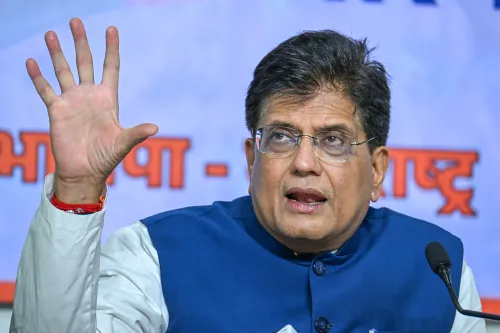
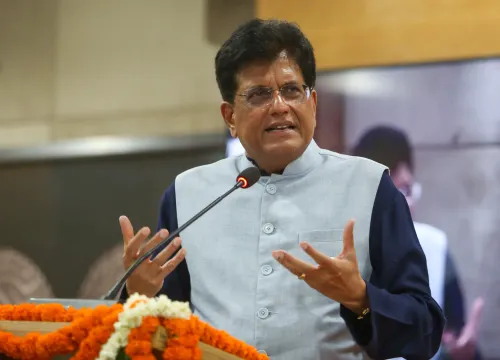
New Delhi, Dec 30 (NationPress) Commerce and Industry Minister Piyush Goyal revealed on Tuesday that India achieved a remarkable milestone with over 5.5 lakh domestic trade mark registrations during the 2024-25 period. This achievement underscores the resilience of the nation’s institutions in protecting the rights of innovators and creators, who significantly contribute to the country's economic development.
Referencing PM Modi’s philosophy of "Ideate in India, Innovate in India, Make in India & Make for the World", the minister emphasized that the Trade Marks Act, 1999 has served as a fundamental framework for safeguarding the rights of innovators for the past 26 years.
Goyal noted that the highest number of registered trade marks were found in the sectors of pharmaceuticals, veterinary, and sanitary preparations.
He attributed India’s enhanced global standing in the Intellectual Property (IP) ecosystem to significant policy reforms and digitization initiatives, which have advanced the innovation landscape, benefiting not only India but also the world.
The Trade Marks Act is a critical legal framework that protects businesses' intellectual properties from infringement, ensuring fair competition while allowing brands to secure their identities. The Act has undergone several revisions to adapt to the evolving global business environment and the needs of modern enterprises.
As companies seek to expand internationally, the protection of trade marks becomes increasingly vital. The Act addresses this need, providing a fair mechanism for trademark protection.
A trade mark can be registered for a duration of 10 years and is renewable for further 10-year periods. However, applications can be denied if they are deemed descriptive, generic, or closely resemble existing trademarks. The Act also permits the transfer or licensing of trade marks under specified conditions and includes provisions for civil and criminal remedies, including injunctions, damages, and penalties for infringement.
Point of View
I believe this significant increase in trade mark registrations illustrates India's commitment to fostering a robust environment for innovation and creativity. The government's focus on strengthening intellectual property rights not only supports individual businesses but also ensures that our economy remains competitive on a global scale.
NationPress
13 Oct 2026
Frequently Asked Questions
What is the Trade Marks Act?
The Trade Marks Act is legislation that protects the intellectual properties of businesses, allowing them to secure their brands while encouraging fair competition in the market.
How long is a trade mark registered for?
A trade mark is registered for a period of 10 years and can be renewed for additional 10-year periods.
What sectors saw the most trade mark registrations?
The highest number of trade marks registered were in the pharmaceuticals, veterinary, and sanitary preparations sectors.
What remedies are available for trade mark infringement?
The Trade Marks Act provides civil and criminal remedies including injunctions, damages, and fines for trade mark infringement.
Why is protecting trade marks important?
Protecting trade marks is essential for businesses to secure their identity and brand reputation, particularly as they expand in the global market.