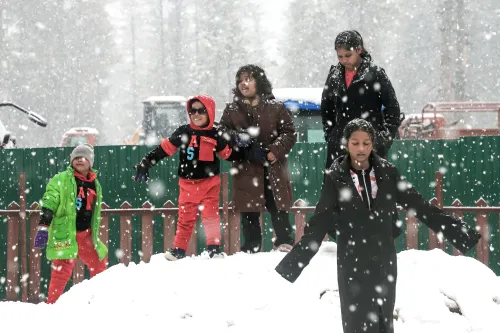
Why is the Bone-Chilling Cold Wave Persisting in J&K While Snowfall is Elusive in Kashmir Plains?

Synopsis
The ongoing cold wave in Jammu and Kashmir raises concerns as temperatures plummet and snowfall remains absent. With significant implications for water resources and health, the situation calls for urgent attention and preventive measures.
Key Takeaways
Jammu and Kashmir is experiencing a severe cold wave with significantly low temperatures.
Snowfall has not yet occurred during the critical Chillai Kalan period.
Health risks are increasing due to cold weather, especially for vulnerable populations.
The Meteorological Department has warned of continued dry conditions.
Residents are advised to take precautions against the severe cold.
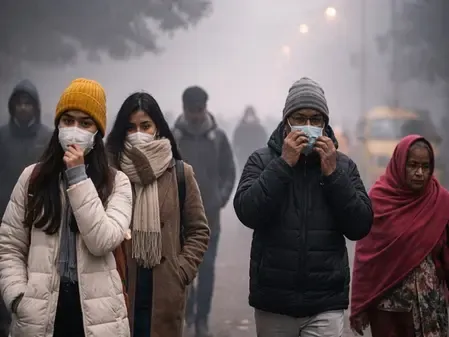
Srinagar, Jan 11 (NationPress) The severe dry cold wave has continued without a break in Jammu and Kashmir this Sunday, with night-time temperatures across the Valley plummeting several degrees below zero.
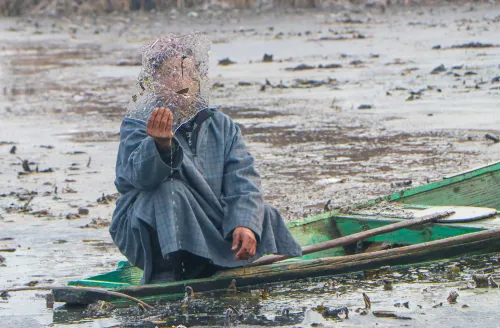
A weak winter sun appeared in the clear skies as water taps and puddles on the roads completely froze, while parts of Dal Lake in Srinagar also faced freezing conditions.
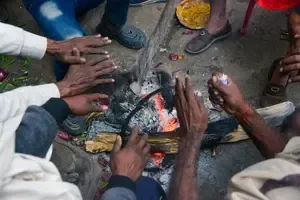
Residents were observed lighting small fires around water taps to thaw them in the morning chill.
The recorded minimum temperatures were minus 5.2 degrees Celsius in Srinagar, minus 6.2 in Gulmarg, and minus 7.6 in Pahalgam.
In Jammu city, temperatures reached 4 degrees Celsius, with Katra at 4.4, Batote at 3, Banihal at 7.1, and Bhaderwah at minus 2 degrees Celsius.
A concerning situation looms over Jammu and Kashmir, particularly in the Valley, as the Meteorological Department has predicted continued cold, dry weather until January 20.
The difference between maximum and minimum temperatures has also decreased, with Srinagar recording a maximum of 10.9 degrees Celsius and Jammu city at 15.2 degrees Celsius on Saturday.
This persistent dry spell has raised alarms across the union territory since all water bodies that agriculture, horticulture, and drinking water depend on require significant snowfall during the 40-day-long harsh winter period known locally as ‘Chillai Kalan’.
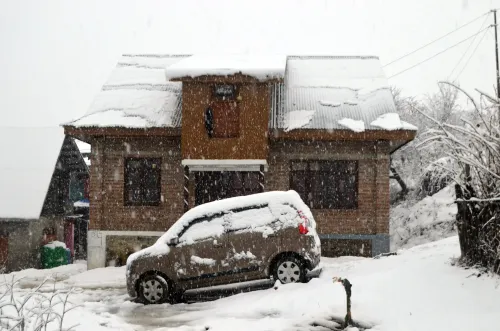
This critical 40-day phase is already more than halfway through, yet the plains of the Valley have not yet experienced this season’s first snowfall.
Chillai Kalan concludes on January 30, and any snowfall in February and March typically melts quickly and fails to replenish the perennial water reservoirs in the mountains of J&K.
Health professionals report a rise in chest and heart-related ailments due to the cold, dry weather. Vulnerable individuals with a history of such conditions have been advised to take extra precautions and avoid venturing outside during extreme cold wave conditions.
Point of View
I assess the situation in Jammu and Kashmir with utmost seriousness. The persistent cold wave poses significant challenges for residents, particularly concerning water resources and public health. It is crucial for authorities to prioritize the well-being of citizens during these extreme weather conditions, ensuring that necessary precautions and resources are available.
NationPress
22 Sept 2026
Frequently Asked Questions
What is causing the cold wave in Jammu and Kashmir?
The cold wave in Jammu and Kashmir is attributed to a persistent dry spell and weather patterns that have resulted in significantly low temperatures across the region.
How long is the cold wave expected to last?
The Meteorological Department has forecasted that the cold, dry weather will continue until January 20.
What are the health implications of the cold wave?
There has been a rise in chest and heart-related diseases due to the cold, dry conditions, prompting health professionals to advise vulnerable individuals to take extra care.
When does Chillai Kalan end?
Chillai Kalan, the 40-day period of harsh winter, ends on January 30.
Why is snowfall important during Chillai Kalan?
Snowfall during Chillai Kalan is crucial for replenishing water bodies that support agriculture, horticulture, and drinking water needs in the region.