India's Eight Core Industries Experience 0.4% Decline in March Production
Synopsis
In March, India's eight core infrastructure industries faced a 0.4% drop in production compared to last year, signaling challenges across various sectors. While some industries like steel and cement showed growth, others, particularly fertilizers and crude oil, struggled significantly.
Key Takeaways
The combined index of eight core industries in India fell by 0.4% in March.
Natural gas, steel, and cement production increased, while crude oil, coal, and fertilizers faced declines.
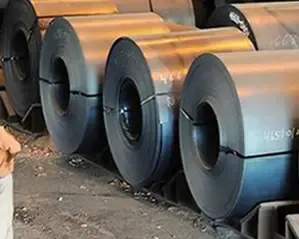
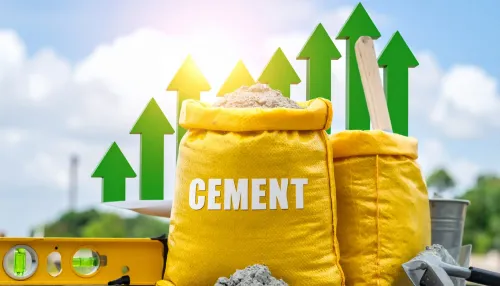
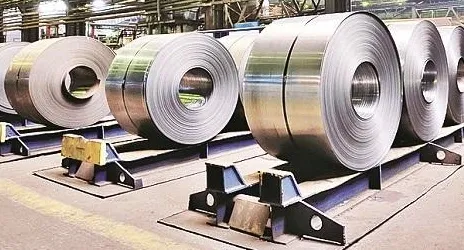
Steel production rose by 2.2% , and cement saw a growth of 4% .
Natural gas output surged by 6.4% due to geopolitical factors.
Overall growth for the fiscal year stands at 2.6% .
New Delhi, April 20 (NationPress) The overall index for India's eight essential infrastructure sectors experienced a 0.4 percent reduction in March this year compared to the same month last year, as per data released by the Commerce and Industry Ministry on Monday.
During this month, while the production of natural gas, steel, and cement saw an increase, the output of fertilizers, crude oil, coal, and electricity reported negative growth, according to a ministry statement.
The final growth rate for these eight core industries was recorded at 2.8 percent for February. For the cumulative period from April to March 2025-26, the overall growth rate now stands at 2.6 percent compared to the same timeframe last year.
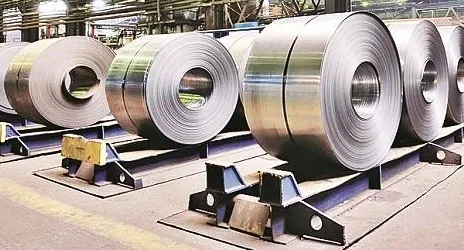
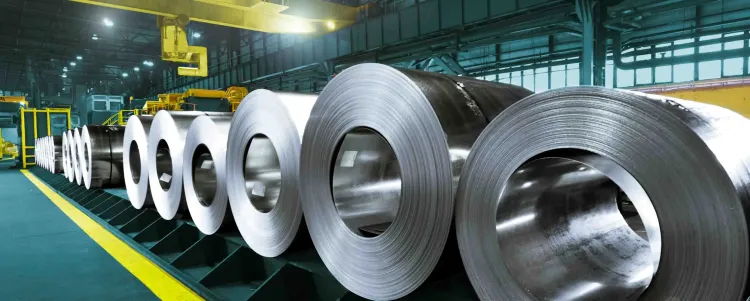
In March, steel production rose by 2.2 percent year-on-year, while the cement sector achieved a 4 percent growth due to sustained demand driven by significant government investments in large-scale infrastructure projects.
The output of natural gas increased by 6.4 percent in March as production was ramped up following disruptions in gas supplies from the Middle East due to the Iran conflict. The government is also encouraging consumers to transition from LPG to natural gas due to supply challenges resulting from the closure of the Strait of Hormuz.
Production of petroleum products saw a slight rise of 0.1 percent in March, as the government ensured normal supply levels of petrol, diesel, and jet fuel.
Conversely, coal production decreased by 4 percent compared to March of the previous year, while electricity generation fell by 0.5 percent.
Crude oil output dropped by 5.7 percent, and fertilizer production plummeted by 24.6 percent in March in comparison to the same month last year.
The Index of Eight Core Industries (ICI) evaluates the collective and individual performance of eight pivotal sectors: coal, crude oil, natural gas, refinery products, fertilizers, steel, cement, and electricity. Together, these sectors account for 40.27 percent of the Index of Industrial Production (IIP), serving as a reliable indicator of overall industrial growth within the economy.
Point of View
It's clear that the recent data on India's core industries highlights both growth and challenges within the economy. The mixed performance suggests that while some sectors are thriving due to government investments, others are suffering from significant setbacks. This duality reflects the complexities of India's economic landscape.
NationPress
19 Sept 2026
Frequently Asked Questions
What are the eight core industries in India?
The eight core industries in India are coal, crude oil, natural gas, refinery products, fertilizers, steel, cement, and electricity.
What was the growth rate for India's core industries in February?
The growth rate for the eight core industries was recorded at 2.8 percent in February.
Which sector saw the highest growth in March?
The natural gas sector experienced the highest growth in March, with a 6.4 percent increase.
How does the Index of Eight Core Industries impact the economy?
The Index of Eight Core Industries serves as a crucial indicator of industrial growth, accounting for 40.27 percent of the Index of Industrial Production.
What caused the decline in fertilizer production?
Fertilizer production declined by 24.6 percent in March due to supply chain issues and reduced demand.