How Are India's Global South Partnerships Shaping Foreign Policy?
Synopsis
Explore how India's strategic partnerships with the Global South are transforming its foreign policy landscape. With a history of shared struggles and aspirations, India is set to play a pivotal role in fostering equitable global governance and elevating developing nations' voices on the world stage.
Key Takeaways
India's partnerships with the Global South are vital for its foreign policy.
The Voice of the Global South Summit reflects India's commitment to developing nations.
India's economic growth enhances its influence on global issues.
Cooperation with the Global South fosters equitable global governance.
India's development assistance programs support over 160 countries.
Washington, Jan 21 (NationPress) A recent report underscores the strong historical connections, shared challenges, and ambitions for autonomy that bind India to the Global South. Through its diplomatic initiatives, economic collaborations, and strategic alliances, India is on track to become a crucial contributor to the evolving landscape of the Global South.
Historically, India has transitioned from a frontrunner in the Non-Aligned Movement (NAM) to a significant participant in South-South cooperation, according to Ambassador Ashok Sajjanhar in an opinion piece for the US-based South Asian Herald.
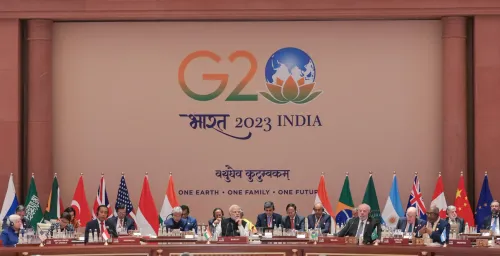
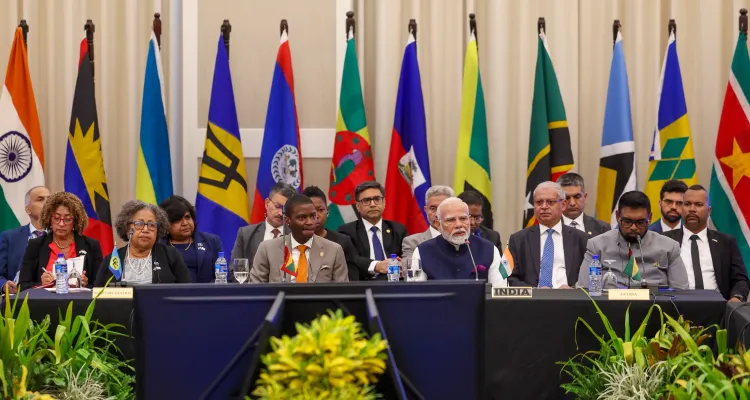
The partnership between India and the Global South escalated when Prime Minister Narendra Modi convened the inaugural Voice of the Global South Summit (VOGSS) in 2023, shortly after India took on the G20 Presidency. Following this, India also hosted the second VOGSS virtually in 2023 and is set to hold the third summit in 2024.
By emphasizing the needs, goals, and aspirations of the Global South through multiple VOGSS events and advocating for their concerns in international arenas, India extends comprehensive support to these nations. Its role within the Global South is crucial, utilizing its growing economic influence, democratic framework, and strategic geopolitical stance to foster fair global governance.
According to Sajjanhar, "India’s geopolitical engagement with the Global South has significantly transformed over time, showcasing its expanding economic strength, strategic interests, and ambitions to be a prominent global player. India's proactive involvement highlights its dedication to a multipolar world where developing nations are empowered in international discussions. By maintaining its efforts in diplomacy, economic partnerships, and strategic alliances, India is set to play a vital role in the changing dynamics of the Global South."
As both a leader and an ally, India is instrumental in shaping the future of the Global South. The seasoned diplomat adds, "Through ongoing collaboration, mutual respect, and shared goals, India and the Global South can collectively tackle the challenges and seize the opportunities of the 21st century."
India's development assistance initiatives for Global South nations illustrate its commitment to being a partner in progress. Through the Indian Technical and Economic Cooperation (ITEC) program, India has delivered training, capacity-building, and technical support to over 160 countries.
Sajjanhar notes, "In recent years, India's 'Global South' partnerships have become a foundational element of its foreign policy. A significant milestone during India's G20 Presidency was the acceptance of the African Union, representing 54 African nations, as a full member of the G20. This long-standing issue was successfully addressed by India, which demonstrated its commitment to the interests of the Global South in fostering the necessary consensus on this matter."
India's enhanced engagement with the Global South aligns with its impressive economic growth. When PM Modi assumed office in 2014, India's economy ranked as the 10th largest globally, and by 2025, it is expected to become the world's fourth-largest economy. Projections suggest that India's economy will escalate from a USD 4 trillion economy today to over USD 10 trillion by 2035.
Point of View
It's essential to recognize that India's commitment to the Global South reflects a strategic vision that aligns with its broader foreign policy goals. This engagement is not merely about diplomacy; it signifies India's recognition of shared challenges and opportunities that developing nations face. In a world increasingly characterized by multipolarity, India's role as a leader and partner is critical for promoting equitable global governance and sustainable development.
NationPress
10 Oct 2026
Frequently Asked Questions
What is the Voice of the Global South Summit?
The Voice of the Global South Summit is a platform initiated by India to facilitate dialogue and cooperation among developing countries, addressing their shared challenges and aspirations.
How has India's economy impacted its foreign policy?
India's rapid economic growth has enhanced its capacity to engage with the Global South, allowing it to provide development assistance and strengthen diplomatic ties with other nations.
What role does India play in global governance?
India leverages its economic power and democratic values to advocate for fair global governance, ensuring that developing nations have a voice in international discussions.